
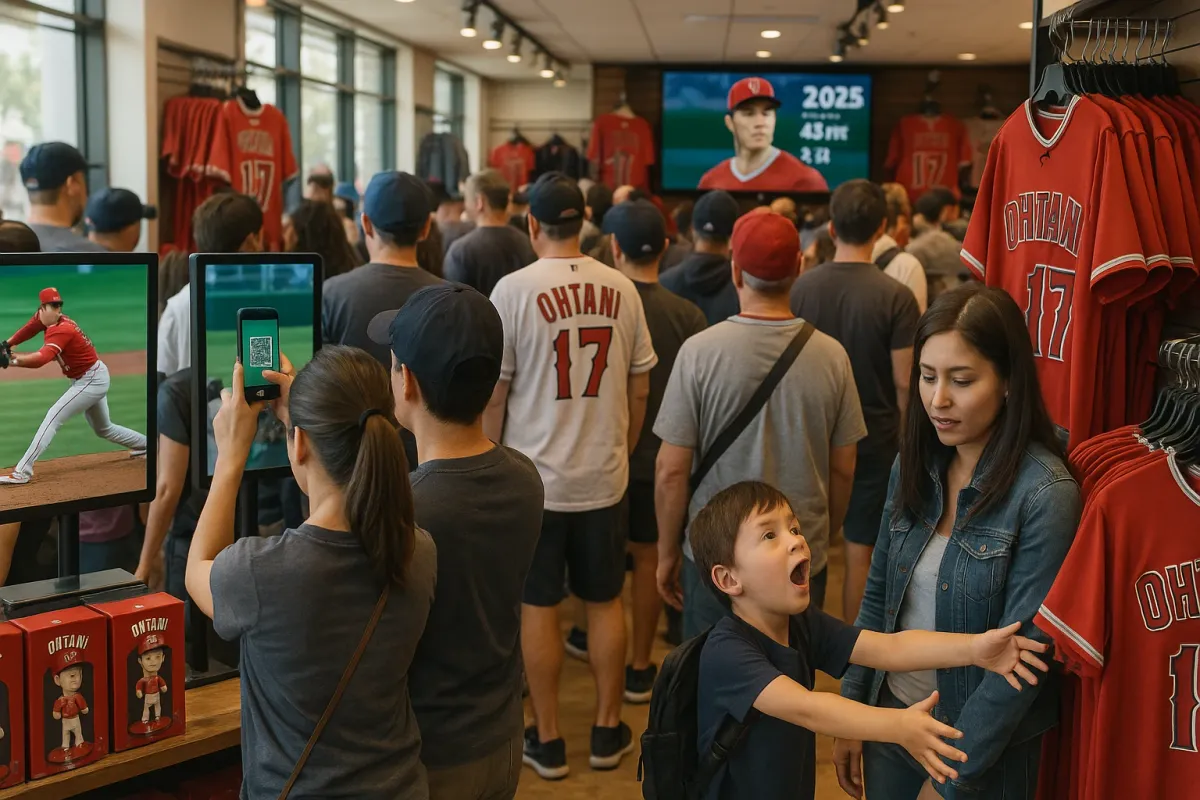
Shohei Ohtani isn’t just rewriting baseball history in 2024–25; he’s quietly reshaping how fans spend money on sports gear, streaming, and even travel. Between his record-setting $700 million deal with the Los Angeles Dodgers, MVP-level play on both sides of the ball, and global marketing pull with brands like New Balance and Topps, Ohtani has become the center of a fast-moving sports economy.
If you’re a fan trying to decide what’s actually worth buying right now—from jerseys and signed balls to MLB.TV and stadium trips—this moment can feel like hype overload. Here’s how to enjoy the Ohtani surge (and similar mega-star moments) without wasting cash, plus five practical tips to help you make smarter sports purchases in 2025.
Ohtani’s Market Mania: What’s Actually Driving Prices Up?
In 2024 and 2025, Ohtani has been at the heart of several real-money trends:
- Record jersey and merch sales after he joined the Dodgers
- Exploding demand for Ohtani baseball cards, especially low-numbered parallels and autographs from Topps
- Higher resale prices for tickets to Dodgers games where Ohtani is expected to start or hit in marquee matchups
- Increased Japanese and international tourism tied to Dodgers home games in Los Angeles
- Big-brand collaborations (New Balance cleats and lifestyle shoes, exclusive trading card drops, memorabilia partnerships)
Whenever a player hits this level of global stardom, three things follow quickly: limited drops, aggressive resellers, and lots of “fear of missing out.” For Buyers Pilot readers, that means the real question isn’t “How do I get in?” but “How do I get in smart?”
Below are five concrete ways to ride the wave without letting it drain your wallet.
Tip 1: Treat Signed Items Like an Investment, Not an Impulse Buy
Autographed Ohtani items—balls, bats, jerseys, rookie cards—are everywhere right now, but quality and authenticity are not equal.
- Prioritize authentication. Look for PSA/DNA, Beckett, or JSA certification numbers you can verify on their websites. MLB Authentication holograms on game-used items are a big plus.
- Game-used vs. “event signed”. A ball used in a real game and authenticated by MLB will typically hold value far better than a generic signed ball bought from a random memorabilia site.
- Watch the team switch effect. Early-career Angels items and Japan national team pieces can gain unique historical value compared to mass-produced Dodgers merch. If you’re thinking long-term, spreading across eras isn’t a bad idea.
- Skip the “limited to 5,000” trap. Modern memorabilia is often “limited,” but 5,000+ isn’t very limited. Rarer serial numbers (e.g., /10, /25, or a meaningful number like 17) will be harder to find later.
- Avoid emotional bidding wars. If you’re on eBay, Heritage Auctions, or Goldin, set a hard max bid before you start. Ohtani hype spikes around big games can push prices to irrational levels.
Smart purchase move: Start with one authenticated piece (a signed photo or ball) from a reputable auction house or official team store instead of scattering money on multiple unverified items.
Tip 2: Know When a Jersey Is Worth the Premium (and When It’s Not)
Jerseys are one of the most visible ways fans show support, and Ohtani’s Dodgers #17 has been among the league’s best-sellers. But not every jersey is created equal—or priced fairly.
- Understand the tiers:
- Fan/Replica ($) – Great for casual wear, lighter material, printed or basic tackle-twill letters.
- Swingman / “Limited” ($$) – Better stitching, more authentic feel, often the best value for most fans.
- Authentic / On-Field ($$$) – Same specs players wear, but you’re paying heavily for precision.
- Check the retailer. Use official sources first: MLBShop.com, the Dodgers’ official store, Fanatics, or New Era for caps. These handle league-licensed apparel and trusted returns.
- Watch for fake jerseys. Extremely low prices from overseas sites using MLB or Dodgers logos are a red flag. Misspelled names, off-color blues, and incorrect fonts are common.
- Think about longevity. If your budget is tight, a Japan national team jersey or an Angels-era throwback might stay “unique” longer than the most current Dodgers version everyone is wearing this season.
- Factor in customizations. Name/number stitching and patches (World Baseball Classic, postseason, MVP) can significantly increase cost. Decide if that detail is worth extra to you—or if a clean, patch-free look is enough.
Smart purchase move: If you want the best balance of comfort, authenticity, and value, aim for the mid-tier “limited” jersey from an official retailer instead of chasing the full on-field version.
Tip 3: Be Strategic With Streaming, Subscriptions, and “Watching Ohtani Live”
Ohtani’s presence on the Dodgers has boosted national broadcasts, international rights, and MLB streaming interest. Before you add another subscription, map out exactly how you watch.
- Audit your viewing habits. Will you watch full 9-inning games multiple times a week, or are you mostly into highlights? Hardcore fans may justify MLB.TV; casual fans might be fine with YouTube recaps and social highlights.
- Check blackout rules. MLB.TV is great, but local blackouts still apply in U.S. markets. If you’re in Southern California, a regional sports network (or streaming bundle that includes it) may matter more than league-wide access.
- Look for promotional bundles. Wireless carriers, credit cards, or tech platforms sometimes offer limited-time MLB.TV or sports bundle discounts. Spring Training and early April are prime promo windows.
- Compare per-game value. If cable/streaming plus MLB add-ons cost you more than the occasional ticket to a live game, you may want to shift some budget from subscriptions to in-person experiences.
- Use free trials smartly. Time a free trial around a stretch of key Dodgers matchups—series vs. top NL rivals, interleague games, or likely MVP races—then evaluate if you actually used it enough to justify full price.
Smart purchase move: Don’t add a new sports subscription until you’ve canceled one you barely use. That saving alone can often cover a month or two of upgraded sports access.
Tip 4: Plan “Ohtani Trips” Like a Travel Purchase, Not a Fandom Splurge
With Ohtani drawing fans from across the U.S., Japan, and beyond, Dodgers home games at Dodger Stadium have become destination events. Approach them like any major trip.
- Target weekday series. Weekend games and marquee opponents (like the Yankees, Braves, or Giants) tend to spike ticket prices. Midweek games against lower-profile teams are kinder to your wallet and often less crowded.
- Use the team’s primary ticket marketplace first. Start with the official Dodgers site and MLB Ballpark app before diving into StubHub, SeatGeek, or Vivid Seats. Sometimes face-value tickets still exist for less-desirable sections.
- Factor in the full cost. Parking at Dodger Stadium, rideshares, ballpark food, and merch can double your ticket price. Set a total budget per person and work backward from there.
- Avoid last-minute surcharges. Dynamic pricing means waiting too long—especially when Ohtani is scheduled to pitch—can cost you. If your dates are fixed, buying earlier is usually cheaper.
- Consider alternate experiences. A spring training game in Arizona or a road series in a less expensive market (like certain NL Central parks) can offer a closer, more affordable view of Ohtani than a peak-priced LA home date.
Smart purchase move: Treat your Ohtani game like a mini-vacation. Book flights, hotels, and tickets together where possible, and set a strict in-stadium spending limit ahead of time so you don’t impulse-buy every souvenir in sight.
Tip 5: Don’t Sleep on “Everyday” Ohtani Merch That Actually Gets Used
Not everything has to be a high-end collectible or a triple-digit jersey. Some of the best-value Ohtani items are the ones you’ll actually wear or use constantly.
- Shoes and apparel from real partners. Look for official New Balance Ohtani collabs rather than generic “Ohtani-inspired” merch from random sites. Real partners usually offer better quality and resale potential.
- Caps and hoodies over wall art. A well-made Dodgers cap or hoodie with Ohtani’s number can get years of use, while a bargain poster or flimsy wall hanging often looks dated fast.
- Trading cards as entry-level collectibles. You don’t have to chase a $10,000 rookie card. Base cards from Topps Flagship or Chrome, especially graded PSA 9 or 10, can be more affordable while still feeling special.
- Kids’ gear that can be passed down. Youth jerseys, mini bats, and small collectibles can double as memory-makers and hand-me-downs. Just avoid overpaying for kids’ sizes that will be outgrown quickly.
- Digital and social collectibles. Follow official MLB, Dodgers, and New Balance channels for behind-the-scenes content instead of paying for unofficial “exclusive fan clubs” that offer vague perks.
Smart purchase move: Make a simple rule—if you can’t see yourself still using or appreciating the item two seasons from now, skip it and save for one higher-quality piece you’ll truly value.
Conclusion
Shohei Ohtani’s historic run with the Dodgers is a rare sports moment—part transcendent performance, part global cultural event. That mix attracts not only genuine fans but also marketers, resellers, and “limited drop” fatigue.
The key is to remember that you’re not just buying a piece of the hype; you’re buying things that will shape how you remember this era years from now. Focus on authenticity, usefulness, and long-term value:
- One well-chosen signed item over a drawer full of questionable autographs
- A properly licensed jersey that fits your budget and style
- Streaming and ticket decisions that match how often you truly watch
- Travel that feels like an experience, not a financial regret
- Everyday merch that actually gets worn, used, and loved
If you treat Ohtani-era spending like any other major purchase—research first, resist FOMO, prioritize quality—you’ll end up with a collection (and memories) that hold up long after the headlines move on to the next big star.
Key Takeaway
The most important thing to remember from this article is that this information can change how you think about Sports.