Sports gear is getting more advanced—and more expensive—every season. Whether you’re training for a 5K, joining a local basketball league, or just trying to stay active on weekends, it’s easy to overspend on equipment that doesn’t actually make you better or last very long. This guide breaks down how to buy smarter, not flashier, so your money goes into gear that genuinely improves your performance and enjoyment, not just your social media photos.
Start With Your Real Sport Habits, Not Your Aspirations
Before you buy anything, look honestly at how you actually move—not how you wish you did.
Think about how many times per week you realistically play or train, the level of intensity, and whether this is a long-term habit or a new experiment. If you’re just testing out tennis, you don’t need a pro-level racket yet; a solid mid-range one is more than enough while you figure out if you’ll stick with it. On the other hand, if you run three times a week, upgrading from bargain shoes to a properly fitted pair can genuinely reduce injury risk and discomfort.
Ask yourself: will I still be using this gear six months from now? Buying with your current behavior in mind keeps you from loading up on “aspirational gear” that ends up sitting in a closet. It also helps you decide where it’s worth paying more up front (like footwear or protective gear) and where you can save (like secondary accessories or aesthetics-focused items).
Tip 1: Prioritize Fit And Safety Over Brand And Style
The most important gear is the stuff that protects your body—shoes, helmets, pads, and any sport-specific protective equipment.
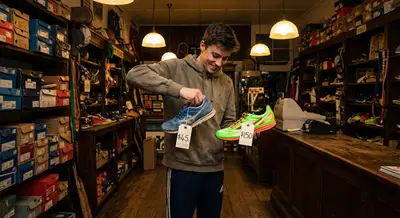
For footwear, fit and support matter far more than the logo. Poorly fitted shoes can contribute to blisters, knee pain, and overuse injuries. Whenever possible, get measured in person and try on multiple pairs, ideally later in the day when your feet are slightly swollen (which mimics what they’ll feel like mid-workout). Runners, court-sport players, and field athletes often benefit from shoes designed for their specific movements rather than generic “training” shoes.
For sports that require helmets (cycling, skating, hockey, some youth field sports), look for certifications from recognized safety standards organizations like CPSC, ASTM, or Snell. A no-name helmet that meets proper safety standards is more valuable than a trendy brand that fits poorly or is worn-out. When in doubt, choose function over fashion: a properly fitting, safety-rated helmet and supportive shoes deliver real-world value every time you play.
Tip 2: Build A “Core Kit” Before Buying Niche Extras
Instead of buying lots of specialized gear at once, start with a small “core kit” that covers the essentials for your sport.
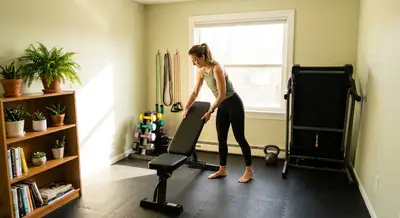
Your core kit should include: appropriate footwear, any required safety gear, and one or two quality items central to the sport (a tennis racket, basketball, yoga mat, resistance bands, etc.). Once you’ve used this basic setup for a few weeks or months, you’ll learn what you actually need next. Maybe your soccer shin guards are fine, but your cleats feel too stiff. Maybe your yoga mat is great, but you realize you’d benefit from blocks or a strap.
This staged approach keeps you from overbuying “nice-to-have” items that don’t impact performance or enjoyment. It also gives you time to notice where your biggest pain points are: are you slipping on your mat, getting sore from your backpack while cycling, or feeling that your cheap ball loses its bounce too quickly? Those are signs of where to invest next. Let your real experience—not a marketing page—dictate your upgrade path.
Tip 3: Match Tech Features To Your Level (And Attention Span)
Sports tech—smartwatches, GPS trackers, power meters, connected balls and rackets—can be useful, but only if you’ll actually use the data.
Before spending on a pricey device, ask what single question you want it to answer. Do you need accurate distance and pace for running? A simple GPS watch often works as well as a top-tier smartwatch if that’s all you’ll track. Are you more focused on basic movement and consistency? A budget fitness tracker that counts steps, heart rate, and workout time might be enough.
Be realistic about your attention span. If you know you won’t analyze detailed metrics or upload data to apps, skip advanced features like VO2 max estimates or power zones. Fancy dashboards don’t help if you ignore them. Instead, buy the simplest device that reliably tracks the 2–3 metrics you care about (like heart rate during workouts, distance covered, or time in motion). You can always upgrade later once your training becomes more structured and data-driven.
Tip 4: Spend More On Durability, Less On “This Year’s Look”
Not all gear is worth paying top dollar for—but some pieces are.
Items that take repeated impact or are central to the sport—shoes, rackets, bikes, quality balls, protective pads—often justify spending more on durability and build quality. Well-constructed shoes can hold their cushioning and structure longer; quality rackets and bikes can be restrung or tuned instead of replaced; a well-made basketball or soccer ball maintains its bounce and feel for seasons instead of weeks.
Conversely, jerseys, bags, and most apparel (aside from sport-specific compression or weather gear) are areas where mid-range products often perform almost as well as premium ones. You can save by avoiding limited-edition colorways or fast-fashion team merch that may fade or fray quickly. When comparing options, look at stitching quality, material thickness, zippers, and user reviews that mention long-term use—not just first impressions.
Tip 5: Leverage The Secondhand And Rental Economy Smartly
For many sports, you can experiment without paying full retail by buying secondhand or renting.
Bikes, skis, snowboards, skates, golf clubs, and even some fitness machines are commonly resold in good condition. Look for trusted local shops that inspect and tune used gear, or peer-to-peer marketplaces where you can ask detailed questions and view clear photos. Used gear is especially smart for fast-growing kids who will quickly outgrow sizes, or for adults trying a new sport for a season before committing.
Renting is another underused option, especially for gear-intensive or seasonal sports. Trying a rental road bike for a weekend or demoing skis at a resort lets you experience the feel and fit before you invest. Just pay close attention to return policies, included maintenance (like tune-ups or cleaning), and any damage fees. Secondhand and rentals are best for hard goods (bikes, clubs, boards, rackets); avoid used helmets, heavily worn shoes, or visibly damaged protective gear where you can’t easily judge safety.
Bonus Tip: Test Community And Access Before Buying “Lifestyle” Items
Some purchases are less about performance and more about what they connect you to: a local running club, a community soccer league, a climbing gym membership, or a studio class package.
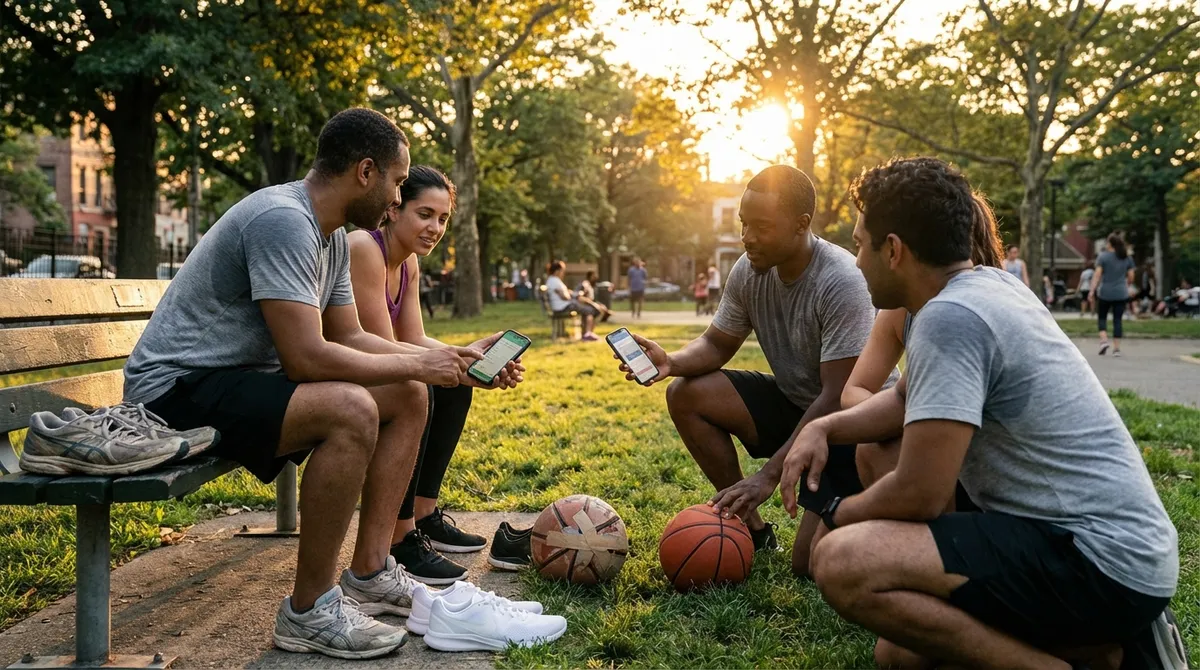
Before buying lifestyle-driven gear like team kits, club-branded apparel, or high-priced training accessories linked to specific communities, test whether you actually like the environment first. Attend drop-in sessions, trial classes, or free group workouts when available. If you find a supportive community and stick to it for a month, branded or specialized gear suddenly becomes a better investment because it enhances a habit you’ve already proven you enjoy.
This also applies to subscription-based sports platforms and apps. Many offer free trials—use those fully before purchasing compatible hardware or long-term memberships. That way, you’re paying for tools that fit into your daily life instead of forcing yourself into a routine just to justify the cost.
Conclusion
Smart sports buying isn’t about hunting the absolute lowest price or always choosing the most premium gear. It’s about understanding what truly matters for how you play: fit and safety first, a focused core kit, tech that matches your habits, durability where it counts, and creative use of secondhand and rental options. When you align your purchases with your actual sports life—not just marketing hype—you end up with gear that gets used often, holds up over time, and genuinely supports your goals. Your wallet, and your body, both win.
Sources
- American Academy of Orthopaedic Surgeons – Athletic Shoes - Guidance on choosing proper footwear to reduce injury risk
- Consumer Product Safety Commission – Bicycle Helmets: A Fact Sheet - Explains helmet safety standards and what to look for in a safe helmet
- Mayo Clinic – Fitness Equipment: Choosing The Right Home Exercise Equipment - General advice on evaluating exercise equipment purchases
- Road Runners Club of America – Running Shoe Selection - Practical recommendations for selecting running shoes based on need and usage
- REI Co-op – Used Gear Program - Example of a large retailer’s approach to quality-checked secondhand outdoor and sports gear
Key Takeaway
The most important thing to remember from this article is that this information can change how you think about Sports.