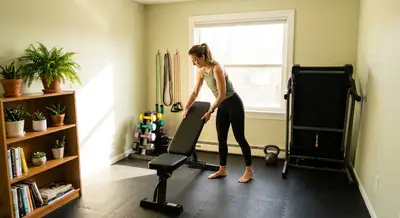
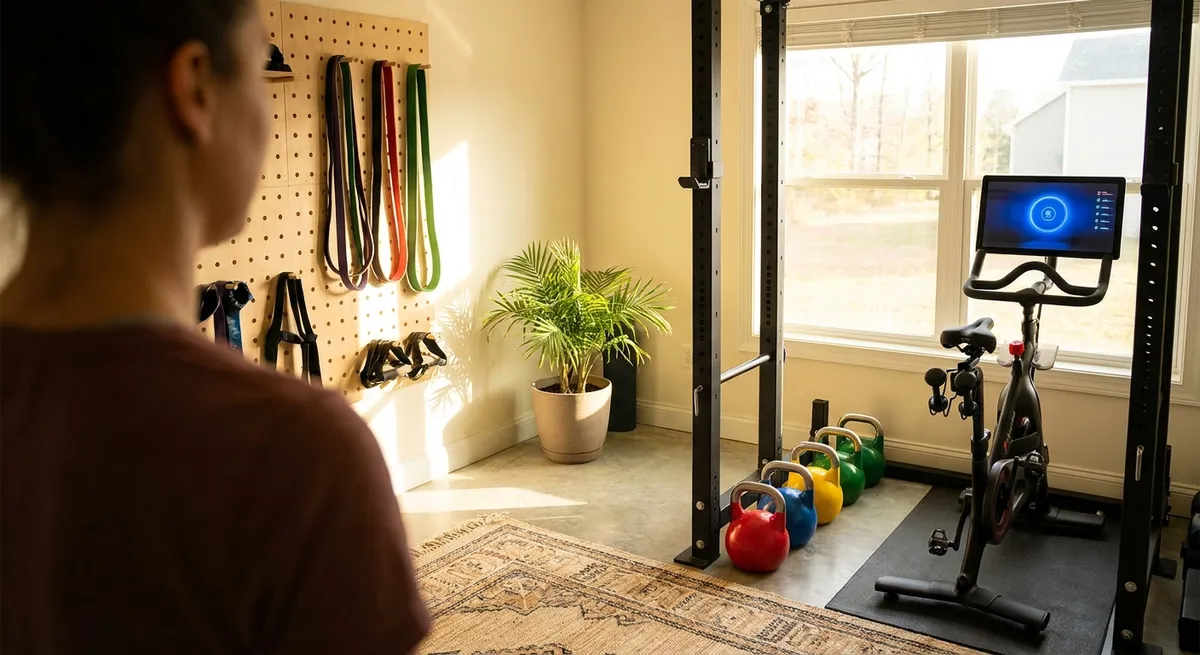
Most people don’t skip workouts because they’re lazy—they skip them because their gear is uncomfortable, inconvenient, or flat‑out wrong for their space and lifestyle. A smart home gym isn’t about buying the fanciest treadmill you see on social media; it’s about choosing sports and fitness equipment you’ll actually use, week after week.
This guide breaks down how to buy home workout gear that fits your body, your goals, and your budget, with five practical tips to keep you from wasting money on dust‑collecting gadgets.
Start With Your Real Habits, Not Your Ideal Self
Before you add anything to your cart, look at how you already move, not how you wish you moved.
If you’re a runner who already jogs outdoors three times a week, a smart purchase might be a set of resistance bands or a foam roller to support your running, not a spin bike you’ve never shown interest in. If you struggle to find motivation at all, buying simpler gear that removes friction—like an adjustable dumbbell set that tucks under the couch—often works better than complex machines.
Ask yourself: When during the day do you realistically have energy? How much space are you truly willing to dedicate? Do you like structured programs or doing your own thing? Your answers help narrow purchases to gear that fits into your existing life instead of demanding a full lifestyle overhaul.
A good test: if you can’t clearly imagine exactly when and how you’ll use a piece of equipment three times in the next week, you probably shouldn’t buy it yet.
Match Gear to Clear Goals (and Skip the “Do Everything” Machines)
Sports and fitness products are often marketed as all‑in‑one solutions. In reality, targeted gear that does one thing well usually beats complicated machines that promise to do everything.
Start by defining one or two clear priorities, such as:
- Build strength for everyday tasks and injury prevention
- Improve cardio fitness and endurance
- Support a specific sport (like tennis, basketball, or soccer)
- Increase mobility and reduce stiffness from desk work
Once you know your main focus, choose gear that directly supports it:
- For strength: adjustable dumbbells, resistance bands, or a kettlebell set often deliver more value than bulky home gyms.
- For cardio: consider whether you actually enjoy the modality—if you hate stationary bikes, a rowing machine or simple jump rope may be better.
- For sport‑specific training: pick items that mimic game demands—agility ladders, cones, or a good-quality ball can make a big difference.
Be skeptical of products that promise rapid transformation with minimal effort or that claim to replace every other piece of equipment. Those are often more hype than help.
5 Practical Tips for Smart Sports Gear Purchases
1. Test Before You Commit When Possible
If you’re considering higher‑priced equipment like a treadmill, rowing machine, or smart bike, try it out before spending hundreds or thousands of dollars.
- Visit a local sporting goods store or showroom to test grip comfort, noise levels, and ease of use.
- Check if nearby gyms have similar models so you can see how they feel in a real workout.
- For smaller gear, try a friend’s equipment or a lower‑cost version first to see if you like the activity at all.
A few short test sessions can reveal deal‑breakers—like excessive noise in a small apartment or a screen that’s hard to see in your lighting—before you commit.
2. Prioritize Fit, Adjustability, and Safety Over Features
Many buyers get drawn in by extra programs, built‑in speakers, or smart connectivity, but the fundamentals matter more:
- Fit: Adjustable seat height, handle positions, and stride length (for ellipticals and rowers) are crucial. Gear that doesn’t fit your body well can cause discomfort or injury.
- Weight ratings and stability: If equipment wobbles under normal use or has a low weight limit relative to your body weight, skip it.
- Safety features: Look for auto‑stop tethers on treadmills, secure locking mechanisms on benches and racks, and non‑slip surfaces on steps or boxes.
If you have existing joint, back, or heart issues, check in with a healthcare professional before investing in intense equipment. It’s better to choose lower‑impact options (like rowing or cycling) than to buy a machine that aggravates your health.
3. Measure Your Space—Then Measure It Again
Many people underestimate how much room sports equipment really takes up, especially once you’re moving around it.
Before buying:
- Measure floor space and check both the footprint and recommended clearance around the equipment.
- Consider ceiling height if you’re buying gear for jumping, overhead lifts, or a treadmill you’ll run on (your head height increases when you’re on the deck).
- For foldable gear, look at both its open and folded dimensions and where you’ll realistically store it.
Don’t forget little details: Will the box fit through your doorway or up the stairs? Is there a nearby outlet for powered equipment? A well‑fitting setup is safer, quieter, and much more inviting to use daily.
4. Compare Total Cost of Ownership, Not Just the Sticker Price
The price tag is only part of the story. Some sports and fitness products lock you into subscriptions or frequent consumable purchases.
Before you buy, check:
- Subscription fees: Many “smart” bikes, mirrors, and rowers require monthly memberships for full functionality. Factor a year or two of fees into your decision.
- Maintenance needs: Treadmills may need belt lubrication or replacement; some bikes require periodic tune‑ups.
- Durability and warranty: A cheaper item that wears out quickly or isn’t covered for normal use can cost more in the long run.
Compare a few options side by side, including both initial price and ongoing costs. You may find that slightly more expensive, non‑subscription equipment becomes more affordable over time than a cheaper model tied to monthly fees.
5. Start With a Core Set, Then Add Slowly
A minimalist home gym can be surprisingly effective. For many people, a core set of well‑chosen items beats a room full of gadgets:
- One or two adjustable dumbbells or a kettlebell
- A set of resistance bands
- A yoga or exercise mat
- A foam roller or massage ball for recovery
Use this core setup consistently for several weeks. Track which movements or muscle groups feel under‑served, and then add gear to fill true gaps.
This “build as you go” approach reduces impulse buys and helps you invest only in equipment you’ve proven you’ll use, such as a pull‑up bar, adjustable bench, or cardio machine.
Use Reviews and Expert Guidance the Right Way
Online reviews and expert recommendations can help—but they need context.
Look for:
- Patterns in reviews: Ignore one‑off complaints or raves and focus on recurring themes like noise, stability, or customer service issues.
- User profiles that match yours: Reviews from people using the gear in small apartments, shared spaces, or similar training styles are especially helpful.
- Independent comparisons: Guides from established organizations or media outlets that test multiple products under similar conditions are more useful than single‑product hype.
If you’re training for a specific sport or dealing with prior injuries, consider a short session with a coach, physical therapist, or certified trainer. Their input can steer you toward equipment that supports good movement patterns instead of reinforcing bad ones.
Conclusion
Smart sports and fitness purchases aren’t about chasing the newest gadget—they’re about choosing gear that fits your body, space, schedule, and goals so well that using it becomes the easy choice.
When you ground your buying decisions in your real habits, test higher‑priced items, prioritize fit and safety, account for long‑term costs, and build your setup gradually, you dramatically reduce the odds of owning expensive equipment that doubles as a clothes rack.
The right gear doesn’t just take up space in your home gym; it quietly supports you in building a routine you can stick to—and that’s where real results come from.
Sources
- American Council on Exercise (ACE) – Home Gym Design Guide - Practical considerations for designing a home gym you’ll actually use, including space, budget, and equipment choices
- Mayo Clinic – Exercise Equipment: Options that Might Work for You - Overview of common home exercise equipment and how to choose based on your goals and preferences
- Harvard Health Publishing – Strength Training: Getting Started - Guidance on strength training basics that can inform smart purchases for strength-focused home gyms
- Consumer Reports – Treadmill Buying Guide - Detailed breakdown of features, safety, and cost considerations when buying treadmills and similar cardio machines
- Cleveland Clinic – How to Start a Home Workout Routine - Advice on building a safe, sustainable home workout routine, including equipment suggestions and safety notes
Key Takeaway
The most important thing to remember from this article is that this information can change how you think about Sports.