Setting up a home workout space sounds simple—until you’re staring at a thousand options for bikes, benches, and “smart” gear that all promise life-changing results. The real challenge isn’t just picking equipment; it’s choosing items you’ll actually use, that fit your space, goals, and budget. This guide breaks down how to think like a savvy buyer before you tap “add to cart,” with five practical tips to help you avoid dust-collecting treadmills and get more value from every sports purchase.
Start With Your Real Life, Not the Ideal Version
Most wasted sports purchases start with an imagined version of yourself: the person who happily runs at 5 a.m. every day, or the one who loves high-intensity interval training. Before you buy anything, anchor your decisions in what you already do and enjoy.
Look at your last three months, not your future resolutions. Do you walk a lot but rarely run? Strength train once a week but want to do more? Prefer classes to solo workouts? Your current habits are a better predictor of use than your best intentions. If you already like walking, something like adjustable dumbbells to combine with walks at home may serve you better than a high-end treadmill. Also consider schedule and energy levels. If you’re often tired in the evenings, a complicated setup that takes 15 minutes to prepare might be ignored, while a simple mat and resistance bands can be used in quick bursts. Designing your home gym around your real routine helps ensure your purchases become tools, not clutter.
Match Equipment to Clear Fitness Goals
Buying gear without defined goals is like shopping for sports equipment without knowing what game you’re playing. Before comparing brands, clarify what you want over the next 6–12 months. Common goals include improving general health, building strength, increasing endurance, aiding weight management, or boosting sport-specific performance.
Once you have a primary goal, map it to categories of equipment. For general fitness, a mix of basic strength tools (adjustable dumbbells, resistance bands, a sturdy mat) and something that raises your heart rate (a jump rope or compact cardio machine) is often enough. For strength-focused goals, prioritize items that can progress with you: adjustable weights, a bench, and possibly a pull-up bar. For endurance, consider whether a stationary bike, rowing machine, or treadmill realistically fits your space and noise constraints. Each big item you buy should have a clear job related to a specific goal; if you can’t explain what role it plays in your plan, it may not be a smart purchase right now.
Five Practical Tips for Smart Home Gym Purchases
Smart buying is less about hunting for discount codes and more about choosing gear that balances durability, usability, and value. Use these five tips to guide your decisions:
Test the “30-Use” Value Rule
Estimate how often you’ll realistically use an item in the first six months. Divide the price by 30 uses as a baseline target. If a $600 bike realistically gets used twice a week, you’ll hit 30 uses in under 4 months, or about $20 per use at first, dropping over time. If you suspect you’ll use an item fewer than 30 times in a year, it may not be worth a big investment yet. Start with lower-cost options, then upgrade once the habit is established.
Prioritize Versatile, Space-Efficient Gear First
For most people, the highest-return purchases are compact, multi-use items: adjustable dumbbells, resistance bands, a quality exercise mat, and perhaps a suspension trainer or step platform. Each of these supports many exercises and workouts while taking up minimal room. Large single-purpose machines can be worth it, but they should come after you’ve built a foundation with smaller tools that cover strength, mobility, and basic cardio.
Check Weight Limits, Build Quality, and Warranty Terms
Look beyond slick photos to the specifications. Confirm maximum user weight for machines and benches, the range and increments for weights, and the materials used (steel vs. light aluminum for key structures, for example). Research warranty length and what’s included—coverage for the frame, moving parts, and electronics often differ. A slightly higher price for a product with a solid warranty can save you money in repairs or replacements over time, especially for treadmills, bikes, and rowers.
Compare Ongoing Costs, Not Just Upfront Price
Some “smart” devices lock key features—like programs, tracking, or coaching—behind monthly subscriptions. Factor these into your long-term budget. A reasonably priced bike with a required $40/month app quickly becomes expensive. On the other hand, basic equipment with no recurring fees may offer better value if you’re comfortable following free or low-cost workout plans you can find online or through reputable fitness organizations. Think in terms of total cost over two years, not just what you pay on day one.
Start Small, Then Upgrade Based on Real Use
Instead of building a full gym at once, begin with 2–4 core pieces and commit to using them consistently for several weeks. Track which items you reach for most, where you feel limited, and what annoys you (e.g., changing plates takes too long, or your current mat slides on the floor). Use that information to guide your next purchase. This step-by-step approach keeps you from overbuying and ensures each new item solves a real problem or expands what you actually do, rather than what you think you might do someday.
Avoid Common Marketing Traps and Overhyped Features
The sports and fitness market thrives on promising faster, easier results through design tweaks or technology. As a buyer, your job is to separate meaningful features from nice-to-have extras that mostly add cost. Be skeptical of claims that focus on vague benefits like “activates more muscles” or “burns fat faster” without clear evidence from credible studies or organizations.
Question whether you truly need advanced connectivity, large touchscreens, or a library of thousands of classes. These features can be motivating if you already know you enjoy guided workouts, but they aren’t required for progress. Basic models without smart features, used alongside a phone or TV streaming free workouts, may offer similar training benefits for far less. Also watch for “limited-time” bundles that include accessories you wouldn’t buy on their own; free extras maintain profit margins while nudging you toward higher-priced packages. A strong filter: if a feature doesn’t directly improve safety, durability, or how effectively you can do the workouts you care about, it’s optional—not essential.
Create a Space That Makes Using Your Gear Easy
Even the best purchases will sit unused if your setup is inconvenient. Before buying, measure the area you’ll use and visualize how you’ll move around in it. Check ceiling height for overhead presses or jumping movements, and ensure there’s clearance behind and beside any machines. Consider noise and impact, especially in apartments: a lighter bike or rowing machine may disturb neighbors less than a heavy treadmill, and rubber mats can protect floors and reduce sound.
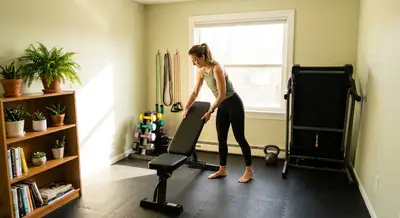
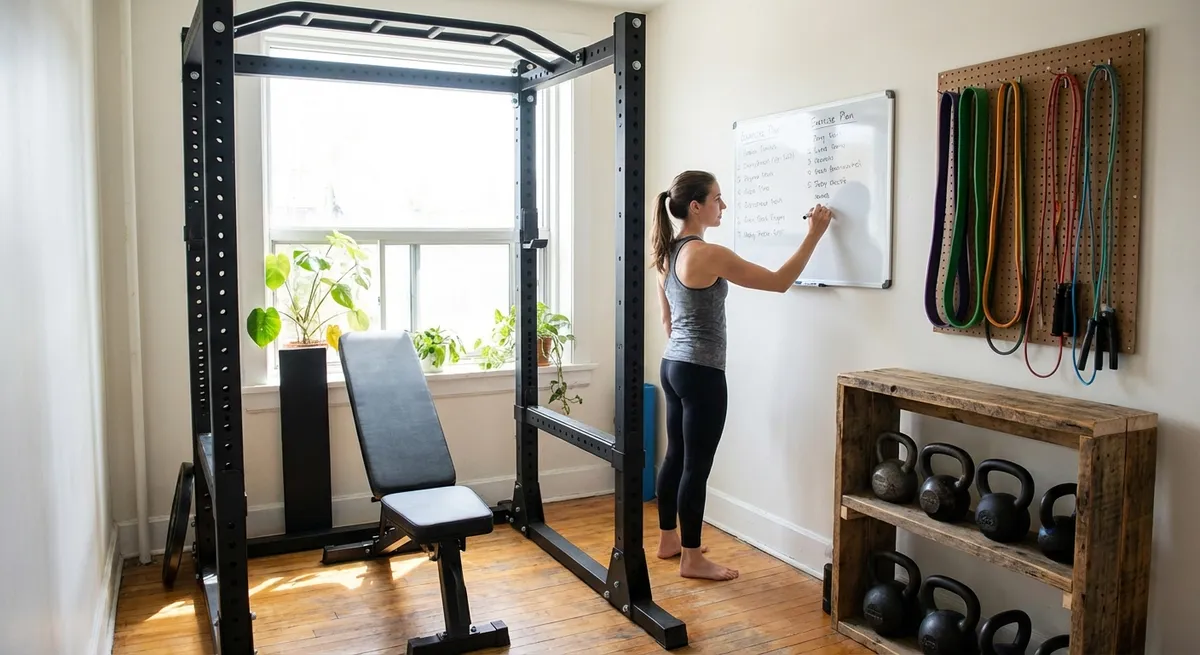
Think about setup friction. If your equipment is buried in a closet or requires major rearranging every time, you’re less likely to use it. Whenever possible, keep core items visible and ready: a mat rolled out in a corner, dumbbells stored within reach, resistance bands hanging on a hook. Good lighting, a fan for airflow, and a simple way to play music or videos can make the space more inviting. Plan storage solutions—racks, shelves, or bins—along with your purchases so your home gym feels organized rather than chaotic. A space that’s easy to enter and use is one of the most powerful “features” you can buy, even though it doesn’t show up on a product page.
Conclusion
A home gym doesn’t need to look like a commercial facility or be filled with expensive machines to be effective. The smartest sports purchases are the ones that match your real habits, align with clear goals, and deliver good value over time. By focusing on versatile gear, watching for hidden costs, and building your setup gradually based on actual use, you can avoid buyer’s remorse and create a space that genuinely supports your health. Thoughtful decisions today can turn every dollar you spend on sports equipment into more strength, stamina, and confidence tomorrow.
Sources
- American Council on Exercise (ACE) – Selecting and Using Home Exercise Equipment - Overview of what to consider when choosing home fitness gear and how to use it safely
- Mayo Clinic – Fitness: Choosing a Home Exercise Machine - Guidance on evaluating common cardio machines and matching them to your needs
- Harvard T.H. Chan School of Public Health – Physical Activity Guidelines - Explains recommended activity levels, helping you align purchases with realistic exercise goals
- U.S. Consumer Product Safety Commission – Exercise and Fitness Equipment Safety - Highlights safety considerations and potential risks with home exercise equipment
- Cleveland Clinic – Home Gym Essentials - Describes simple, effective equipment options and how to prioritize purchases for a home setup
Key Takeaway
The most important thing to remember from this article is that this information can change how you think about Sports.