Buying sports gear can feel like a collision between inspiration and marketing: a pro athlete promo here, a trending brand there, and a limited-time discount that “ends tonight.” For everyday athletes and active people, the real challenge isn’t finding options—it’s knowing which products actually help you play better, stay safer, and enjoy your sport more.
This guide walks through how to think like a smart sports consumer. You’ll learn how to separate performance from hype, which features truly matter, and how to avoid overspending on gear that won’t get used. Along the way, you’ll find five practical, easy-to-apply tips to make your next sports purchase a lot more intentional.
Start With Your Sport, Not the Store
Before looking at brands, colors, or influencer recommendations, step back and define what you really need from your gear. Different sports (and positions within those sports) place very different demands on equipment. A casual runner doing 10–15 miles per week doesn’t need the same shoe tech as a marathoner, and a recreational basketball player at the local gym doesn’t need pro-level signature shoes.
Clarify your primary sport and your current level: beginner, intermediate, or advanced. Then note how often you actually play or train in a typical week. If you’re testing a new sport—like pickleball, rock climbing, or cycling—start with reliable mid-range gear that’s safe and functional, rather than premium equipment designed for experts. This approach helps you avoid paying for advanced features you can’t yet use and may never fully benefit from if you switch to another activity.
Once you’ve defined your sport and realistic use, you can quickly ignore entire product categories that don’t apply to you. That saves time, reduces decision fatigue, and focuses your attention on the performance factors that truly affect your experience, such as cushioning and stability for running, grip and durability for racket sports, or breathability and protection for field sports.
Evaluate Safety and Fit Before Style
In sports, the wrong fit can be more than uncomfortable—it can increase injury risk and shorten the life of your gear. Before you think about aesthetics, make sure any product you’re considering can be adjusted to fit your body correctly and support your movement patterns.
For shoes, that means checking for your size, width options, and the right support for your arch and gait. Many specialty running stores and some big-box retailers offer basic gait analysis or fit assessments; this can be especially helpful if you’re starting a training plan or increasing your activity level. For helmets, pads, or protective gear, look for certification labels and size charts, and don’t ignore brand-specific fit guidance. A cheaper, certified helmet that fits correctly will offer better real-world protection than a premium model that’s too loose or tight.
Once safety and fit are covered, then consider style, color, and brand. Your gear should motivate you to use it, but not at the cost of comfort and protection. If you’re deciding between two similar items, try moving in them—jumping, squatting, or mimicking your sport’s motions—whenever possible. How gear feels in motion is a better indicator than how it looks in the mirror.
Practical tip #1: Always prioritize sizing, adjustability, and safety certifications over design and branding when comparing sports gear.
Pay for Performance Features You’ll Actually Use
Sports brands often highlight advanced technologies—foam names, plate systems, “pro-grade” materials, or speed claims. Some of these features genuinely matter, but only if they match how you train. A carbon-plated racing shoe may help experienced runners chasing personal bests, but for occasional joggers or walkers, it’s unnecessary and can even feel unstable.
Start by identifying which performance features directly impact your sport and body. For runners, that might be cushioning, stability, and weight. For basketball players, traction, ankle support, and court feel matter more. For cyclists, frame fit, contact points (saddle, handlebars), and braking performance are more important than paint jobs or high-end components beyond your needs.
Don’t be overly swayed by “pro-inspired” or “elite” labels. Many pros use customized versions of retail products that are tuned to their exact specs. Instead, look for independent reviews, lab tests, or user feedback that specifically mention performance in situations like yours—weekend league games, daily gym sessions, neighborhood runs, or casual rides. When you see a feature, ask yourself: will this help me play safer, more comfortably, or more efficiently in a way I’ll notice?
Practical tip #2: Make a short list of 2–3 performance traits that matter most for your sport (e.g., stability, grip, breathability) and compare products on those, not on marketing terms or pro endorsements.
Use Return Policies and Wear Tests to Your Advantage
No matter how much research you do, some gear simply won’t feel right once you actually use it. Smart buyers factor this in by choosing retailers and brands with fair return windows and, ideally, “wear test” or trial policies—especially for higher-priced items like shoes, helmets, or bikes.
Many athletic brands and sporting goods stores allow returns within a set period even after light use, as long as items are still in resellable condition. Some running-focused companies offer 30–60 day trial windows for shoes, understanding that real-world comfort and fit take a few workouts to judge. For expensive equipment like bikes or skis, ask about demo programs or rentals so you can test before committing.
When you try new gear, pay attention to how your body feels during and after use. Are there hot spots, rubbing, or pressure areas? Do you feel more confident in your movement, or are you compensating? Take notes after a couple of sessions; small discomforts often become bigger issues over time. If something doesn’t feel right within the trial period, don’t hesitate to return or exchange it rather than forcing yourself to “get used to it.”
Practical tip #3: Before buying mid- to high-priced sports gear, check the store’s test or return policy and plan a few early-use sessions specifically to decide whether to keep or return the item.
Balance Budget, Durability, and Upgrade Paths
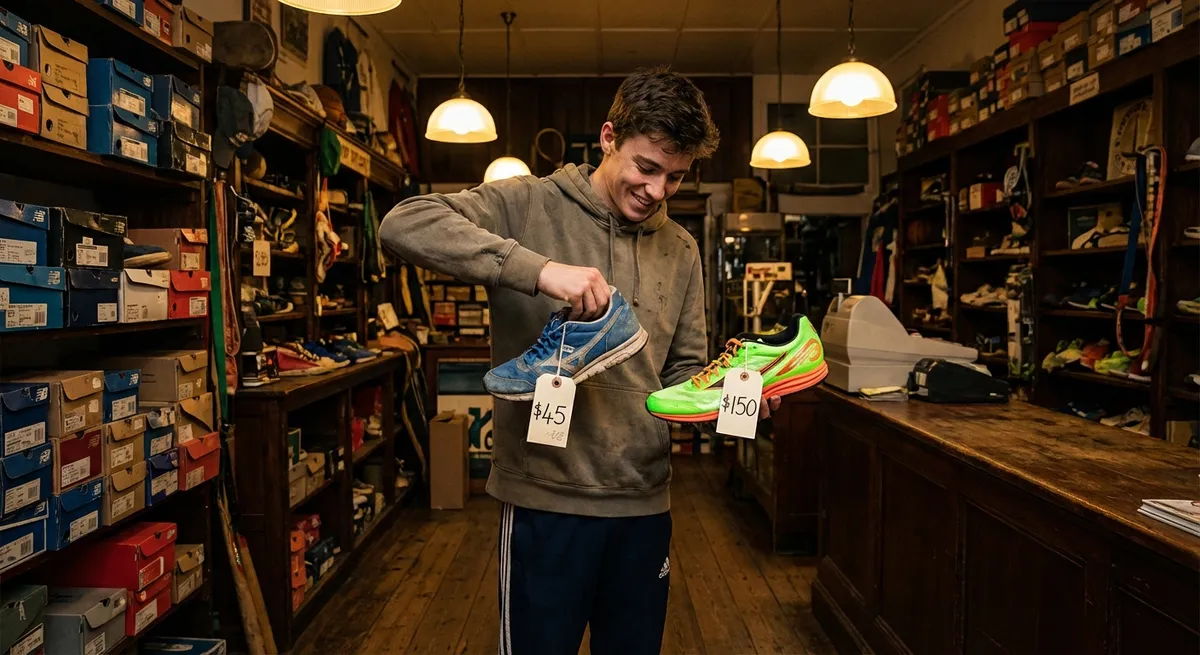
In sports spending, “cheapest” and “best value” are rarely the same. A very low-priced item that wears out quickly—or never gets used because it’s uncomfortable—costs more in the long run than a moderately priced, durable product. But you also don’t need to jump straight to premium gear for every new activity.
Think about how the item will be used over the next 6–18 months. If you’re starting a sport but aren’t sure you’ll stick with it, aim for solid, mid-range gear that’s well-reviewed and safe. Save the high-end upgrades for later if you stay committed. For sports you already know you love and play often, consider spending more on durability and comfort, especially for items that see constant use (like footwear, base layers, or core protective gear).
Also consider upgrade paths. For example, with cycling or strength training, it can make sense to start with an entry-level but reputable product that allows for future upgrades (like changing components or adding accessories) instead of a disposable setup you’ll quickly outgrow. Look at care instructions as well: gear that’s easy to clean, repair, or maintain often pays off over years of use.
Practical tip #4: Match your spending level to how often you realistically use the sport now, not how often you hope to use it, and prioritize durability for your most frequently used items.
Let Real-World Feedback Guide Final Decisions
When you’re close to buying, real-world user experience can be more useful than polished marketing materials. Look for detailed reviews from people with similar body types, skill levels, or playing environments. For example, if you mostly play soccer on artificial turf, reviews from players in similar leagues are far more relevant than pro-level usage on pristine natural grass.
Seek out independent review sites, community forums, and user comments that highlight both pros and cons. Patterns in the feedback—such as multiple people mentioning that a shoe runs narrow, a helmet feels heavy after long wear, or a racket loses tension quickly—are particularly valuable. Be cautious with single glowing or overly negative reviews; what matters is consistent themes.
When possible, try the gear in person: visit a store, borrow a friend’s equipment, or rent from a local facility. Putting your hands on the product, feeling the materials, and checking build quality can quickly confirm or challenge what you’ve read. If buying online, compare the same item across multiple retailers to confirm pricing, warranty details, and any reported issues.
Practical tip #5: Before purchasing, look for patterns across at least a few independent reviews and, if possible, briefly try the product or a similar model to confirm those impressions.
Conclusion
Smart sports spending isn’t about chasing the most advanced gear or the lowest prices—it’s about matching the right equipment to your real needs, body, and habits. When you start from your sport and usage, prioritize safety and fit, choose performance features you’ll actually benefit from, use trial periods wisely, and listen to real-world feedback, your purchases stop being guesses and start becoming tools that genuinely support your athletic life.
The payoff is more than saving money. It’s feeling more confident in every game, run, ride, or workout because your gear works with you, not against you. That’s the kind of investment that keeps you active longer—and makes every session more enjoyable.
Sources
- American Academy of Orthopaedic Surgeons – Sports Safety - Overview of injury prevention, protective gear, and safe participation in sports
- Mayo Clinic – Choosing the Right Athletic Shoes - Guidance on fit, cushioning, and support for different activities
- Cleveland Clinic – How to Choose the Right Bike Helmet - Explains helmet certifications, fit, and key safety considerations
- Runner’s World – How to Choose Running Shoes - Practical breakdown of features that matter for different types of runners
- Consumer Reports – How to Shop for Sports Equipment - Consumer-focused advice on safety, durability, and smart buying strategies
Key Takeaway
The most important thing to remember from this article is that following these steps can lead to great results.