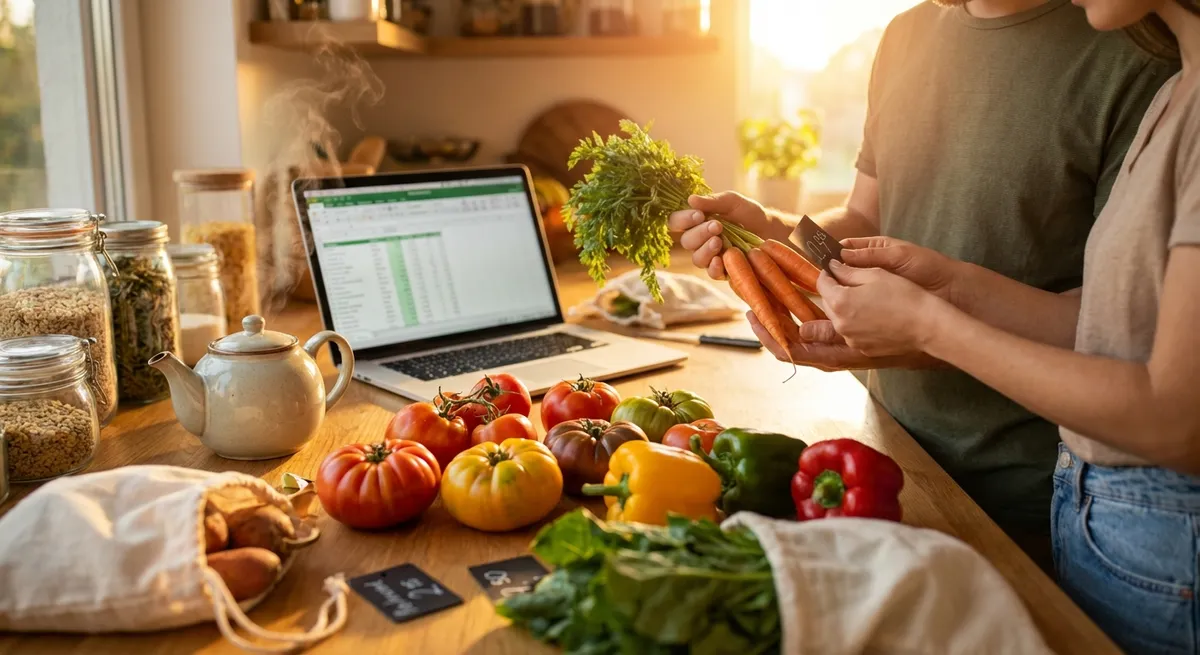
Rising grocery bills and endless product choices can make food shopping feel like a test you didn’t study for. But buying food and drinks doesn’t have to be stressful—or wasteful. With a few smart habits, you can eat better, spend less, and feel more confident about what goes into your cart and your body.
This guide focuses on practical, real-world strategies you can start using on your next trip to the store or online order, including five concrete tips to help you make smarter, more cost-effective choices.
Understanding What You’re Really Paying For
When you buy food or drinks, you’re not just paying for ingredients—you’re paying for processing, branding, packaging, and sometimes convenience you may not even need.
A bag of pre-cut vegetables, a single-serve yogurt, or a ready-to-drink coffee often costs significantly more per unit than their “basic” counterparts. The price difference isn’t only about quality; it’s often about how much work the brand has done for you.
Learning to spot what you’re actually paying for helps you decide when convenience is worth it and when it’s smarter to go with simpler options. This is especially important with heavily marketed products: a “clean” label or trendy ingredient doesn’t automatically mean better nutrition or value. Often, the less processed item (like plain oats vs. flavored instant packets) is both healthier and cheaper.
Understanding this trade-off—labor and branding vs. raw ingredients—puts you back in control. You can choose where convenience matters (perhaps pre-washed salad greens for a busy week) and where it doesn’t (like cutting your own fruit at home).
Tip 1: Compare Unit Prices, Not Just Shelf Prices
The price tag you see at first glance rarely tells the full story. Two products can look similarly priced but be very different in cost per ounce, per liter, or per serving.
Most supermarkets show a “unit price” on the shelf label—such as “$0.18 per oz” or “$0.45 per 100g.” This number is your best friend for comparing brands, sizes, and packaging formats fairly.
- When buying pantry staples (rice, beans, pasta, oats, flour), look at unit price first, brand second. Often, the store brand wins on value with nearly identical ingredients.
- Be cautious with “family size” or “value pack” claims. They don’t always offer a lower unit price—especially when there are promotions on smaller packages.
- For drinks, compare cost per liter or per fluid ounce across bottled beverages, concentrates, and powders. You might find that making your own iced tea or cold brew at home dramatically reduces your cost per serving.
Prioritizing unit price helps you avoid marketing tricks and focus on what you’re actually getting for your money.
Tip 2: Choose Whole Ingredients Over Highly Processed Options
One of the simplest ways to eat better and spend less is to build your cart around basic, versatile ingredients. Highly processed foods often bundle convenience with extra sugar, sodium, additives, and higher costs.
Choosing whole or minimally processed ingredients can help you:
- Stretch meals further (e.g., a bag of dried beans yields many servings for a low price)
- Control added salt, sugar, and fats yourself
- Use one item in multiple recipes (like oats for breakfast, baking, and homemade granola)
- Reduce reliance on more expensive ready-made meals and snacks
- Whole oats instead of flavored instant packets
- Plain yogurt instead of pre-sweetened cups (add your own fruit or honey)
- Whole grains (brown rice, barley, quinoa) instead of boxed flavored rice mixes
- Dried beans or lentils instead of only canned ready-made stews or chilis
Examples of smart swaps:
You don’t need to eliminate all convenience foods—just shift the balance toward ingredients that give you flexibility and value, not just packaging and flavoring.
Tip 3: Plan Around What You’ll Actually Use (and Eat)
Food waste is silently expensive. If you routinely throw out wilted herbs, forgotten greens, or expired dairy, you’re not just losing food—you’re losing cash.
A few small planning habits can dramatically reduce waste:
- Start with what’s at home: Check your fridge, freezer, and pantry before shopping so you don’t double-buy items you already have.
- Plan simple “anchor meals”: Instead of planning 14 totally different dishes for the week, choose a few core ingredients (like a bag of rice, a tray of chicken thighs, a bunch of broccoli) that can appear in multiple meals with slight variations.
- Be realistic about fresh produce: If you know you’re busy, buy a mix of fresh and frozen fruits/vegetables. Frozen produce is often just as nutritious, usually cheaper, and won’t go bad as quickly.
- Use “loose” produce when you only need a little: Buying a single carrot, a small piece of ginger, or one lemon may cost less than a pre-packed bag that you won’t finish.
- Plan a “leftover night”: Build a weekly habit of using up bits and pieces—soups, stir-fries, omelets, and grain bowls are perfect for this.
Buying only what you’ll realistically cook and eat means your money translates into actual meals, not trash.
Tip 4: Be Strategic with Drinks: Hydrate Smart, Not Expensive
Drinks are one of the easiest places to overspend without noticing. Coffee runs, specialty waters, and sugary beverages can quietly eat into your budget and don’t always deliver much nutrition.
To buy smarter:
- Prioritize tap or filtered water for daily hydration where it’s safe and available. In many regions, tap water is heavily regulated and far cheaper than bottled.
- If you enjoy flavored drinks, consider concentrated options (like tea, coffee beans, or flavor drops) that you prepare at home. They usually offer more servings per dollar.
- Watch serving sizes and sugar content on juices and sodas. Large bottles may seem like a deal, but if they encourage overconsumption, you’re paying more for both health and cost.
- For coffee and tea lovers, compare the monthly cost of café purchases vs. making them at home. Often, a one-time investment in a good coffee maker or kettle pays back quickly.
Being intentional about drinks doesn’t mean you can’t enjoy a favorite latte or juice—it just ensures these purchases are a choice, not a default drain on your budget.
Tip 5: Balance Brand Loyalty with Store Brands and Sales
Brand loyalty can be comforting, especially if you grew up with certain products. But a lot of food and drink categories have store-brand or generic options that are similar in quality at a significantly lower price.
Smart ways to navigate brands:
- Test store brands on low-risk items first: staples like sugar, flour, baking soda, canned tomatoes, or frozen vegetables. Many shoppers find these indistinguishable from name brands.
- For items where flavor matters a lot to you (like coffee or a particular sauce), do your own taste tests. Buy a small package of a store brand and compare it side by side. You might be surprised.
- Combine sales with your flexibility: If you’re not tied to one brand of yogurt, pasta, or cereal, you can simply choose whatever is on promotion while meeting your ingredient/health standards.
- Check if the “premium” version is worth it: Sometimes you’re paying extra for packaging and image, not necessarily better ingredients.
Let your standards drive your choices (ingredients, taste, nutrition), then look for the most cost-effective brand or format that fits those standards.
Putting It All Together: Build a Smarter Cart, One Choice at a Time
Smart food and drink buying doesn’t require extreme couponing or complicated meal plans. It’s about a few consistent habits:
- Comparing unit prices instead of trusting the biggest price tag
- Choosing more whole ingredients and fewer highly processed shortcuts
- Planning around what you’ll realistically cook and eat, to cut waste
- Treating drinks as a deliberate purchase, not an automatic expense
- Staying flexible with brands so you can take advantage of real value
You don’t need to overhaul your entire shopping routine overnight. Start with one or two of these tips on your next trip—maybe checking unit prices or swapping one processed item for a more basic alternative. As these habits stack up, your receipts will shrink, your meals will improve, and you’ll feel more in control of what you buy and why.
Sources
- U.S. Department of Agriculture – Food Pricing & Affordability - Background on food prices, spending patterns, and economic factors influencing grocery costs.
- Harvard T.H. Chan School of Public Health – Healthy Eating Plate & Food Choices - Guidance on building meals around whole, minimally processed foods.
- Centers for Disease Control and Prevention – Food Waste & Food Safety - Information on how to reduce food waste safely at home.
- Mayo Clinic – Added Sugar: How Much Is Too Much? - Explanation of sugar in beverages and processed foods and its impact on health.
- Environmental Protection Agency – Reducing Wasted Food at Home - Practical tips on planning, shopping, and storing food to avoid waste and save money.
Key Takeaway
The most important thing to remember from this article is that this information can change how you think about Food & Drink.