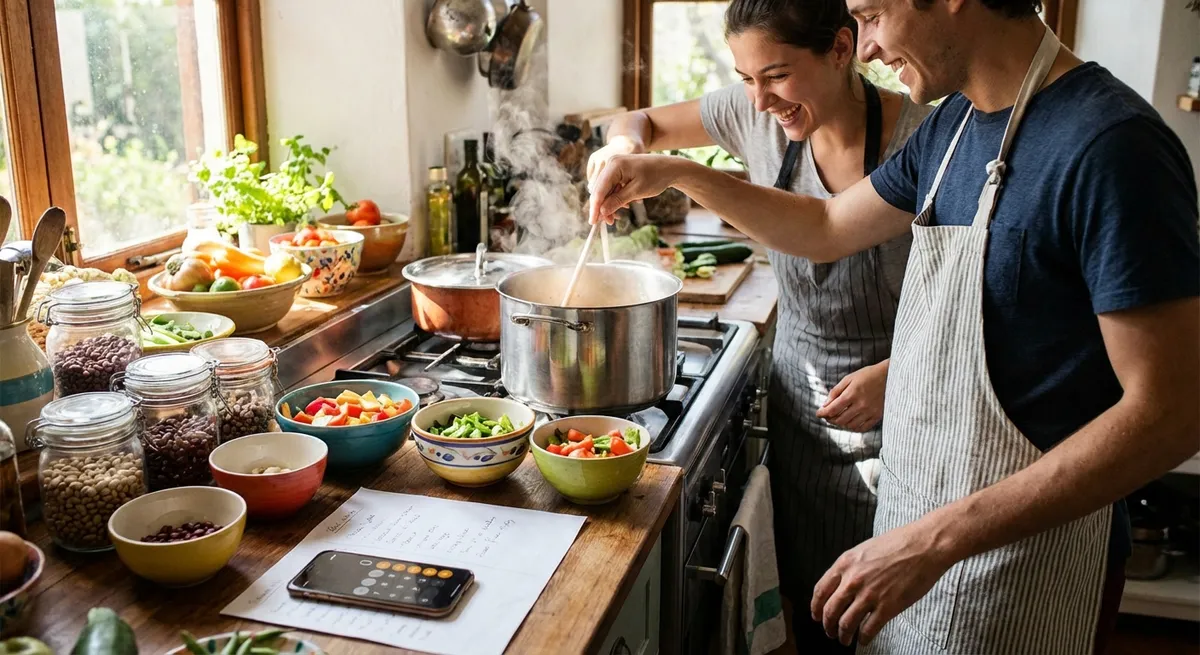
If you feel like your grocery bill keeps climbing while your meals stay the same, you’re not alone. Food prices have been rising, and it’s easy to feel stuck choosing between eating well and saving money. But smarter food and drink purchases aren’t about extreme couponing or giving up the things you enjoy—they’re about making a few strategic shifts that give you better value, nutrition, and satisfaction for every dollar.
This guide walks through how to think like a savvy food shopper, plus five practical tips you can start using on your very next grocery run or online order.
Rethinking “Value” in Food and Drink
Most people look at the price tag and stop there, but value in food is a mix of several things: nutrition, enjoyment, convenience, and how much actually gets eaten instead of thrown away. A cheaper item that goes bad or gets pushed to the back of the pantry isn’t really cheaper.
Start by thinking in terms of cost per serving instead of cost per package. Big containers, family-size packs, or “value sizes” can be a smart buy—but only if you’ll truly use them. For drinks, that might mean comparing a large jug of 100% juice to individual juice boxes. For snacks, it could be a big bag you portion yourself rather than single-serve packs.
Also consider hidden costs: ultra-processed foods can be convenient and cheap up front, but they often provide fewer nutrients and more added sugars, sodium, and unhealthy fats. Over time, that can contribute to health issues that are far more expensive than a slightly higher grocery bill today. You don’t need a perfect diet, just a better balance of whole foods—like vegetables, fruits, whole grains, beans, nuts, and lean proteins—alongside the fun stuff.
Tip 1: Build Meals Around Low-Cost “Anchor” Ingredients
One of the easiest ways to stretch your food budget is to start your planning with a few low-cost, versatile anchors and then build flavors around them. These are ingredients that are generally inexpensive, store well, and can be used in multiple ways.
Good anchors include:
- Dried or canned beans and lentils
- Rice, oats, and other whole grains
- Frozen vegetables and fruits
- Eggs
- Cabbage, carrots, onions, and potatoes
Once you pick an anchor, add smaller amounts of higher-priced ingredients for flavor and variety. For instance, instead of making a whole meal out of salmon, use a modest portion of salmon served over a base of rice and vegetables. With drinks, you can stretch more expensive items—like 100% juice or kombucha—by mixing them with sparkling water for a homemade “mocktail” that costs far less per glass.
This “anchor-first” approach helps you compare products with a clearer eye. If boneless chicken breast is expensive one week, you might lean more on eggs, beans, or tofu. If fresh berries are pricey, frozen mixed berries can become your go-to for smoothies or oatmeal toppings. The idea isn’t to chase every sale, but to have a flexible set of anchors you can swap based on what’s best value that week.
Tip 2: Use Unit Pricing and Serving Sizes to Spot Real Deals
That bright “SALE” sticker can be misleading if you’re not looking at the unit price—the cost per ounce, per pound, or per liter. Most grocery stores list this on the shelf label, either in smaller print or a side column. Comparing unit prices instead of total prices lets you quickly see whether the larger size or “value pack” is truly cheaper.
Here’s how to use this to your advantage:
- Compare similar items by unit price, not just brand reputation. Store brands often have nearly identical ingredients to name brands at a lower unit cost.
- Check serving size on the nutrition label when comparing drinks like juices, sodas, or flavored milks. Some bottles look like a single serving but actually contain two or more, which effectively doubles the real cost (and calories) per drink.
- Beware “shrinkflation”—when the package size quietly shrinks while the price stays the same. If a box of crackers looks smaller than you remember, the unit price can confirm whether you’re actually paying more for less.
Do the same online: many grocery websites show price per ounce or pound. Sorting by unit price can reveal cheaper alternatives you wouldn’t have noticed otherwise. Over time, small savings of a few cents per unit can add up significantly across a full cart.
Tip 3: Lean on Frozen and Shelf-Stable Foods Without Sacrificing Nutrition
Frozen and shelf-stable foods aren’t just emergency back-ups—they can be some of the smartest purchases for quality and cost. In many cases, they’re just as nutritious as fresh, and sometimes more so, because they’re processed at peak ripeness.
Smart ways to use them:
- Frozen fruits and vegetables: Great for smoothies, stir-fries, soups, and baking. They reduce waste because you can use exactly what you need. Compare unit prices vs. fresh; frozen is often cheaper per usable serving.
- Canned beans, tomatoes, and fish: Canned beans are a fast, high-fiber, high-protein base for meals. Canned tuna or salmon can be a more affordable way to include fish once or twice a week. Look for low-sodium or rinse before using to reduce salt.
- Shelf-stable milk alternatives and broths: These can be bought on sale and stored for months, then rotated into recipes as needed.
When buying frozen meals or convenience items, read labels to compare sodium, added sugars, and saturated fat across brands. Sometimes, a slightly higher-priced option offers better nutrition and more real ingredients, which can be worth it if it replaces takeout. Your goal is to balance convenience with quality: use frozen and canned foods to simplify cooking while still prioritizing whole ingredients.
Tip 4: Design a Simple “Default Menu” to Reduce Impulse Buys
Many impulse purchases happen because shoppers arrive at the store or open the delivery app without a clear plan. Creating a basic weekly “default menu”—a short list of go-to breakfasts, lunches, snacks, and dinners—can dramatically cut impulse spending and food waste.
A default menu might look like:
- Breakfasts: oatmeal with fruit; eggs and toast; yogurt with granola
- Lunches: bean-and-vegetable soup; rice bowls; big salads with protein
- Dinners: pasta with vegetables and tomato sauce; stir-fry; sheet-pan chicken and veggies
- Snacks & drinks: popcorn, fruit, nuts, tea, coffee, water flavored with citrus or herbs
Once you have this base, your shopping list becomes more focused: you buy primarily what supports these planned meals. You can still add a couple of “fun” items—like a specialty cheese, a new flavored seltzer, or a dessert—but they’re deliberate choices, not last-minute grabs.
This approach also helps you compare products in context. If you know you’ll need oats for multiple breakfasts and snacks, it may make sense to buy a larger container. If you only use a special sauce in one dish, a smaller size or store brand might be more sensible. Over time, your default menu becomes a stable backbone that keeps your kitchen stocked, your diet balanced, and your spending more predictable.
Tip 5: Focus Your “Splurge Budget” on What You Actually Enjoy
Trying to cut every food and drink expense often backfires. Most people do better when they intentionally protect a small splurge budget and aim to get the best experience from it. The key is deciding where premium really matters to you and where it doesn’t.
Consider:
- Maybe you care deeply about high-quality coffee or tea but don’t mind generic pasta or rice.
- Perhaps you enjoy a good dark chocolate or artisan bread, but soda or flavored water can be store brand.
- You might choose to pay more for certain labels—like fair trade, organic, or local—for a few priority items, instead of trying to buy everything that way.
By defining your “non-negotiables,” you can confidently buy cheaper alternatives for the rest. For example, invest in whole-bean coffee you truly enjoy, while choosing value-friendly options for snacks or condiments that don’t matter as much to you. This approach makes smart purchasing feel like a series of intentional trade-offs, not constant deprivation.
When you do splurge on drinks—like specialty juices, cold brew, craft beer, or kombucha—consider how far each purchase goes. A concentrate or larger multi-serving bottle usually offers better value than single-serve cans or bottles, especially if you’re willing to pour into your own glass at home. You keep the pleasure while reducing the per-serving cost.
Conclusion
Smart food and drink purchasing isn’t about buying the cheapest items or following rigid rules. It’s about understanding where your money goes, what actually gets eaten, and which products truly make your life better. By building meals around low-cost anchors, comparing unit prices, embracing frozen and shelf-stable options, planning a simple default menu, and reserving room for intentional splurges, you can upgrade both your meals and your budget.
The next time you shop—online or in-store—try applying just one of these tips. Notice which products suddenly look different when you check the unit price or think in terms of cost per serving. Small changes, repeated week after week, can turn your grocery cart into one of the most powerful tools you have for eating well and spending smarter.
Sources
- U.S. Department of Agriculture – ChooseMyPlate: Food Shopping Tips - Practical guidance on saving money while making nutritious food choices
- Harvard T.H. Chan School of Public Health – Healthy Eating Plate & Pyramid - Explains the role of whole foods like grains, vegetables, and healthy proteins in a balanced diet
- Cleveland Clinic – Frozen vs. Fresh Produce: Is There a Nutritional Difference? - Compares nutrition in frozen and fresh fruits and vegetables
- U.S. Food and Drug Administration – How to Understand and Use the Nutrition Facts Label - Details how to read serving sizes, nutrients, and ingredient lists for smarter shopping
- Consumer Reports – How to Beat Shrinkflation at the Supermarket - Explains shrinking package sizes and how to compare unit prices effectively
Key Takeaway
The most important thing to remember from this article is that this information can change how you think about Food & Drink.