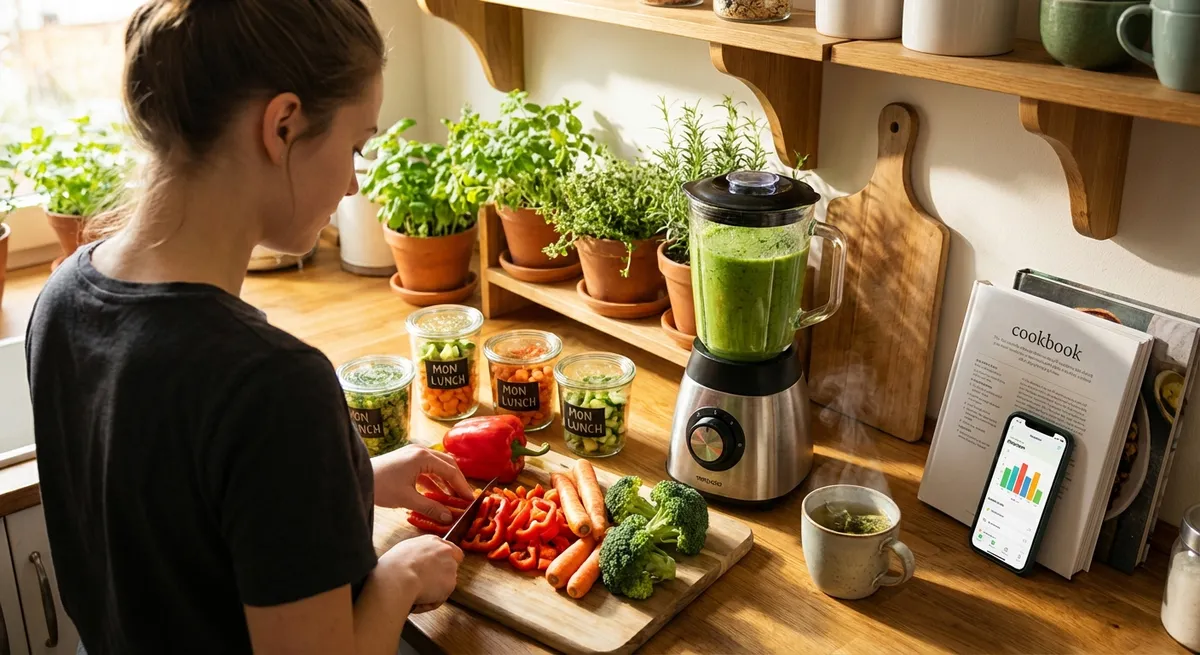
Most people think “eating better” means spending more. In reality, the smartest food and drink decisions often come from buying differently, not buying bigger. With a few simple changes in how you shop, you can upgrade what’s on your plate, cut food waste, and keep your budget in check—all without becoming a full-time meal prep guru.
This guide walks through practical, buyer-focused strategies so your next grocery run (or online order) works harder for your health, your wallet, and your time.
Start With the Label: What Matters and What’s Just Marketing
Food packaging is designed to sell you a feeling—“natural,” “light,” “immune-boosting”—but the real story is on the nutrition label and ingredients list.
Look first at serving size and added sugars. Many “healthy” drinks (like flavored yogurts, smoothies, or teas) pack as much added sugar per serving as soda. Prioritize products with less added sugar, higher fiber, and recognizable ingredients. A long ingredient list isn’t always bad, but if sugar, refined flours, or saturated fats dominate the top spots, it’s likely not an everyday staple.
Pay attention to sodium in canned soups, sauces, frozen meals, and snacks. “Reduced sodium” still can be quite high; compare brands side-by-side and pick the lowest that fits your taste. For fats, look for products with unsaturated fats (like nuts, seeds, and certain oils) and limit those high in trans fats or high levels of saturated fats.
Marketing claims like “low fat” or “gluten-free” aren’t automatically healthier. “Low fat” items, for example, can be high in sugar to compensate for taste. Make it a habit to ignore the front of the package for a moment and go straight to the nutrition facts and ingredients—this shift alone can dramatically change what ends up in your cart.
Shop the Way You Actually Eat, Not the Way You Wish You Ate
A common money-waster is buying for an ideal version of your future self instead of your real habits. You picture elaborate weeknight dinners, then end up ordering takeout while fresh produce wilts in the crisper.
Before your next grocery run, review the last week or two: how many meals were cooked at home, what you actually ate for breakfast, how often you grabbed lunch out. Plan purchases around your real patterns, then make small, realistic upgrades. If you normally eat cereal, maybe swap one or two days for yogurt and fruit instead of vowing to cook omelets every morning.
Be honest about your capacity for prep. If washing and chopping vegetables feels like a chore, you may be better off buying pre-cut veggies or frozen options. They often cost a bit more per pound but can save you money overall if it means you actually eat them instead of throwing out spoiled produce.
Match package sizes to your household. Single-person or two-person homes often waste money buying “family size” items that go stale or spoil. In these cases, buying smaller packages or frozen versions can be cheaper in the long run because you’re paying for what you actually use.
Use Price Per Unit to Find Real Value (Not Just the Cheapest Option)
Shelf prices can be misleading. A $5 bottle of juice might look cheaper than an $8 one—until you check the size and ingredients. The best way to compare value is by using the unit price (price per ounce, liter, pound, etc.), which many stores list on the shelf label.
When evaluating food and drink, factor in both unit price and quality. For example, a more concentrated product (like 100% juice vs. a juice drink with added water and sugar) may be more expensive per ounce but require smaller servings and provide better nutrition. Bulk items can be a smart buy for staples you use often (like oats, rice, beans, coffee), but only if you’ll use them before they go stale.
Consider cost per serving, not just per package. A whole chicken might cost more upfront than boneless skinless chicken breast, but it can yield multiple meals, homemade broth, and leftovers for lunches. Similarly, buying whole blocks of cheese instead of pre-shredded versions can be cheaper and more versatile.
For drinks, beverages like plain water, unsweetened tea, or coffee brewed at home are dramatically cheaper per serving than bottled drinks or café orders. If you drink coffee daily, investing in a decent home coffee setup can pay for itself in a few weeks compared to daily café runs.
Make Friends With Frozen, Canned, and Shelf-Stable Staples
Fresh isn’t always best from a value perspective. Frozen and canned foods can be just as nutritious, sometimes more so, because many are processed at peak ripeness. They also reduce waste and give you more flexibility in meal planning.
Look for frozen fruits and vegetables with no added sugar, sauces, or salt. These are ideal for smoothies, quick stir-fries, soups, or roasting. For canned goods, prioritize low- or no-salt-added beans and vegetables, and fruit packed in water or its own juice instead of syrup. Rinse canned beans and vegetables to lower sodium even further.
Shelf-stable staples—like oats, lentils, rice, canned tomatoes, tuna, and peanut butter—form the backbone of budget-friendly, nutritious meals. Pair them with a few fresh items (like greens, onions, or citrus) and you can build fast, satisfying dishes without needing a lot of fresh ingredients on hand every day.
Think of your pantry, freezer, and fridge as one system. Use shelf-stable and frozen items to support fresh ingredients, not replace them entirely. For example, pair fresh salad greens with canned chickpeas and frozen corn; or use frozen berries to keep breakfast interesting when fresh fruit is expensive or out of season.
Practical Buying Tips: Five Moves That Save Money Without Sacrificing Quality
These five purchasing habits can make a noticeable difference in both your budget and what you eat:
- Buy “ingredients” more often than “solutions.”
Pre-made meals, sauces, and snacks offer convenience but usually cost more per serving and can be higher in sodium, sugar, and additives. Shift a portion of your budget toward versatile basics—like eggs, oats, beans, rice, plain yogurt, frozen vegetables, and whole grains—then add one or two convenience items where they matter most (like a good-quality sauce or pre-washed salad mix).
- Choose store brands strategically.
Store-brand staples (like canned tomatoes, oats, milk, frozen vegetables, or basic spices) often match name-brand quality at a lower price. Start by switching just a few high-use items to store brands and compare taste. Save your “premium” dollars for products where you really notice a difference (like certain sauces, specialty cheeses, or coffee).
- Lean on seasonal and local when it makes sense.
Seasonal produce is often cheaper, fresher, and better-tasting. For fruits and vegetables you eat a lot of, check which are in season and build meals around those. If you have access to farmers’ markets, compare prices; some items may be more expensive, but others—especially in peak season—can be competitive or cheaper. When fresh prices spike, buy frozen alternatives as a backup.
- Use a short “anchored list” instead of an open-ended shop.
Before you shop, anchor your week to 3–5 simple meals you know you like and can cook quickly (for example: a stir-fry, a pasta dish, a grain bowl, a soup, and a breakfast-for-dinner). Make your list around these. This reduces impulse buys, ensures you use what you purchase, and limits the number of specialty ingredients you need.
- Buy fewer drinks and more drink “bases.”
Beverages are one of the fastest ways to overspend on food. Instead of buying multiple flavored drinks, consider buying good coffee or tea, a water filter, and maybe one or two flavor “boosters” (like citrus, herbs, or a low-sugar concentrate). You’ll spend less, cut added sugars, and have more control over flavors and ingredients.
Conclusion
Smart food and drink buying isn’t about strict rules or expensive “health” products; it’s about knowing what you’re paying for, matching purchases to your real life, and using every tool available—unit prices, labels, frozen and canned options—to get better value from your cart.
By focusing on ingredient quality over marketing claims, planning around genuine habits instead of wishful thinking, and making a few high-impact changes to what you buy most often, you can eat more satisfying meals, waste less, and keep your budget steady—one grocery run at a time.
Sources
- U.S. Food & Drug Administration – How to Understand and Use the Nutrition Facts Label - Explains key parts of the nutrition label and how to read it for better food choices
- Harvard T.H. Chan School of Public Health – The Nutrition Source: Healthy Eating Plate - Offers evidence-based guidance on building balanced meals and choosing food types
- Centers for Disease Control and Prevention – Added Sugars - Details health impacts of added sugars and recommended limits
- Harvard T.H. Chan School of Public Health – Are Frozen and Canned Fruits and Vegetables Nutritious? - Reviews how frozen and canned produce compares nutritionally to fresh
- U.S. Department of Agriculture – Seasonal Produce Guide - Lists fruits and vegetables by season to help plan cost-effective, seasonal purchases
Key Takeaway
The most important thing to remember from this article is that this information can change how you think about Food & Drink.