
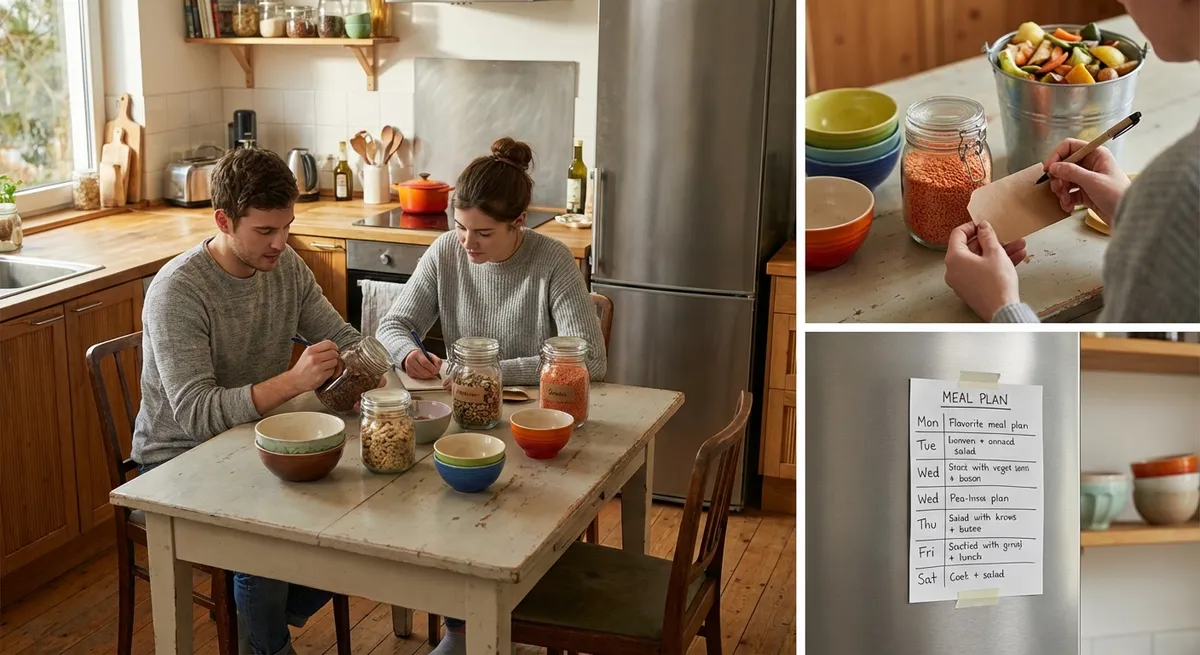
Building a better food budget isn’t about eating less—it’s about buying smarter. With prices rising and marketing getting more aggressive, it’s easy to overspend on groceries, premium drinks, and “must-have” kitchen items that don’t actually improve your daily meals. This guide focuses on clear, consumer-first strategies to help you get better flavor, less waste, and more value out of every food and drink purchase.
Know Your Real Eating Habits (Not Your Aspirations)
Most people shop for the version of themselves they want to be—meal-prepping every Sunday, drinking green smoothies, cooking from scratch daily—rather than the version that shows up on a weeknight at 7:30 p.m. after a long day.
Start by tracking your actual eating habits for one to two weeks. Note:
- How many meals you really cook at home
- What foods you throw away most often (salad greens, herbs, leftovers, dairy, etc.)
- How often you order takeout or eat out
- What “emergency” items you always reach for (frozen pizza, canned soup, instant noodles)
This snapshot lets you shop for the life you’re actually living. If you rarely cook full recipes, smaller quantities, semi-prepped foods (like pre-cut frozen vegetables or pre-washed salad mixes), or versatile basics (eggs, rice, beans, chicken thighs, bread, yogurt) may give you far more value than specialty items.
Smart purchasing starts with honesty: buy ingredients that fit your schedule, skill level, and energy—not your idealized Pinterest board.
Decode Food Labels Without Getting Tricked
Food packaging is designed to sell you a feeling—healthy, premium, artisanal—not necessarily a better product. Learning to read labels quickly helps you separate real value from marketing fluff.
Key things to focus on:
- Ingredients list order: Ingredients are listed by weight from highest to lowest. If sugar, syrups, or refined flours are in the first few spots on a “healthy” snack, you’re mostly paying for those.
- Serving size vs. package size: A drink marketed as “only 80 calories” might list that per half bottle. Check how many servings the package actually contains.
- “Natural,” “artisanal,” “made with real fruit”: These terms are loosely regulated or purely marketing. They don’t guarantee nutritional quality or higher safety standards.
- Whole vs. refined grains: For breads, cereals, and crackers, look for “100% whole grain” or “whole wheat” as the first ingredient, not “enriched wheat flour.”
- Added sugars: Many labels now list “added sugars” separately. Compare similar products and choose the one with less added sugar if taste is similar.
Don’t feel you need to buy the “cleanest” or most “perfect” product. Often, the best buy is the one that balances decent ingredients, reasonable price, and actual enjoyment—you’re more likely to eat what you like, which means less waste.
Compare Price by Unit, Not by Package
Big packages and bold “value size” labels can be misleading. The only fair comparison between products is the unit price—the cost per ounce, per 100 grams, per liter, or per count.
How to make this work in your favor:
- Check shelf tags: Many stores already list unit prices in small print on the price tag. Use these to compare brands and sizes quickly.
- Do quick math when needed: If unit price isn’t listed, divide the total price by the total weight/volume. For example, $4.99 for 16 ounces = about $0.31 per ounce.
- Don’t assume bigger is cheaper: Promotions or shrinkflation can make medium sizes better value than “family packs.”
- Consider realistic usage: A giant tub of yogurt might be cheaper per ounce, but if you throw a third of it away, the smaller size was the smarter buy.
This applies to drinks too—compare price per liter on bottled teas, juices, sparkling water, and even specialty coffees. Sometimes, brewing at home (tea bags, coffee beans, cold brew concentrate) saves dramatically over pre-made bottles once you run the numbers.
Prioritize Versatile Staples Over Single-Use Ingredients
One-off ingredients can quietly drain your food budget—half-used sauces, exotic grains, or spices that only work in one recipe. Versatile staples, on the other hand, stretch across multiple meals and drastically cut waste.
When deciding what to buy, ask: Can I use this in at least three different meals I actually make?
Useful staples that work hard across the week:
- Grains: Rice, oats, pasta, and whole grains (like quinoa or barley) can become sides, salads, breakfast bowls, or soup add-ins.
- Proteins: Eggs, beans (canned or dried), lentils, tofu, chicken thighs, and canned tuna or salmon are flexible and often cheaper than specialty cuts.
- Flavor boosters: Garlic, onions, lemons, soy sauce, vinegar, basic dried herbs, and chili flakes upgrade many dishes without adding clutter.
- Freezer-friendly items: Frozen vegetables, fruit, bread, and stock are affordable, long-lasting, and reduce last-minute takeout when you’re short on fresh groceries.
For drinks, think about multi-purpose purchases: a simple coffee setup instead of multiple bottled coffees, basic tea bags over sugary bottled teas, or a soda maker and flavor concentrates instead of cases of sparkling water. The goal isn’t restriction—it’s building a pantry that naturally supports good meals with fewer one-time-use items.
Time Your Purchases and Use “Good Enough” Swaps
Food and drink spending isn’t just what you buy, but when and how you adjust on the fly. A few timing and substitution habits can save money without hurting quality.
Practical ways to do this:
- Shop around weekly patterns: Many stores mark down meat, bakery items, and produce on specific days or evenings. Once you know this pattern, you can plan to buy and freeze marked-down items.
- Buy in-season produce: In-season fruits and vegetables are usually cheaper and better tasting. Use them as the star of your meals while they’re abundant and switch as the seasons change.
- Use “good enough” alternatives: If a recipe calls for something expensive or rarely used (like pine nuts or specialty cheeses), consider wallet-friendly swaps (sunflower seeds instead of pine nuts, local cheese instead of imported).
- Respect your “urgent to use” zone: At home, keep a visible shelf or bin for items that need to be used soon—soft fruit, near-expiry yogurt, open sauces. Plan quick snacks or meals around them before you buy more.
- Prep just enough: Don’t pre-chop all your produce if you know you won’t cook it soon; some items spoil faster once cut. Prep what you’re sure you’ll use in the next day or two.
These habits help you avoid panic takeout, impulse drink runs, or last-minute convenience purchases that quietly inflate your food and beverage spending.
Conclusion
Smarter food and drink buying isn’t about strict rules or never treating yourself—it’s about aligning your purchases with how you actually live, eat, and drink. When you understand your real habits, read labels with a critical eye, compare by unit price, favor versatile staples, and time purchases strategically, you naturally get more flavor and satisfaction for every dollar.
Over time, these choices reduce waste, shrink unnecessary spending, and keep your kitchen better stocked with foods and drinks you’ll genuinely enjoy. That’s the kind of “budgeting” that feels less like sacrifice and more like control.
Sources
- U.S. Department of Agriculture – Food Product Dating – Explains “best by,” “sell by,” and “use by” dates to help you avoid unnecessary food waste
- Harvard T.H. Chan School of Public Health – The Nutrition Source: Reading Food Labels – Detailed guidance on understanding ingredient lists and nutrition facts
- FDA – How to Understand and Use the Nutrition Facts Label – Official U.S. government resource for decoding nutrition labels
- Harvard T.H. Chan School of Public Health – Whole Grains – Discusses the benefits of whole grains and how to identify them on packaging
- U.S. Bureau of Labor Statistics – Consumer Expenditures on Food – Data on how households spend on food, useful for understanding where budgets typically go
Key Takeaway
The most important thing to remember from this article is that this information can change how you think about Food & Drink.