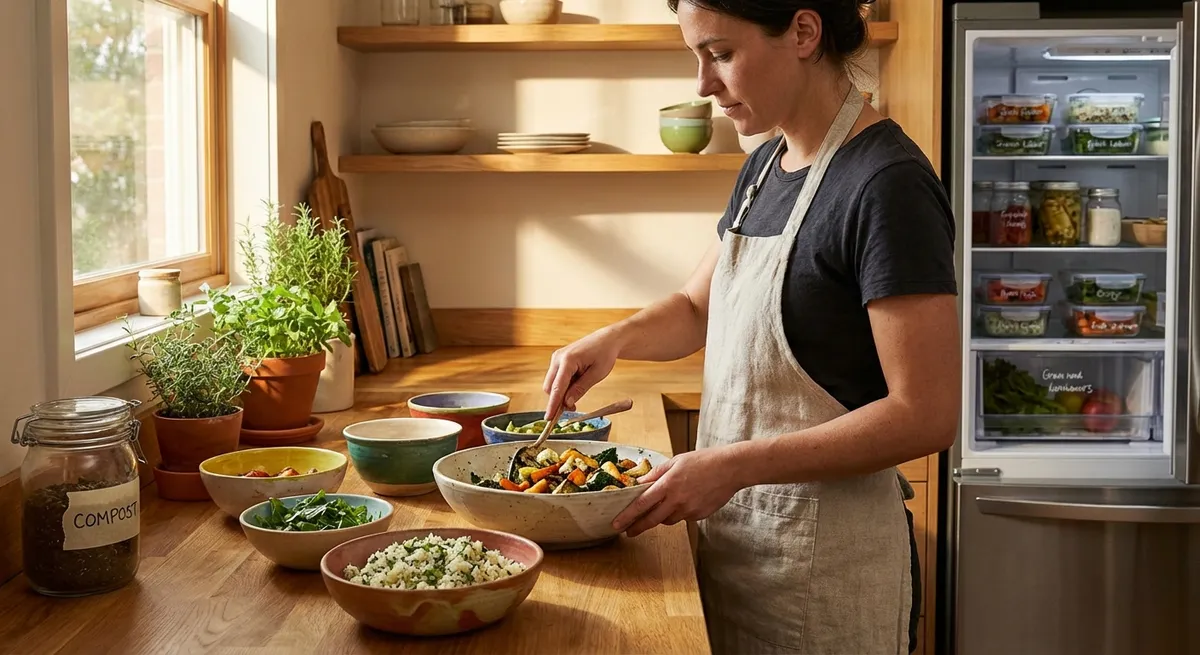
Eating well doesn’t have to mean spending more or wasting food. With a few smart strategies, you can turn every food and drink purchase into something that matches your budget, your taste, and your values—whether that’s health, sustainability, or convenience.
This guide focuses on how to think like a savvy food shopper: how to choose what’s truly worth your money, avoid common marketing traps, and plan purchases that help you waste less and enjoy more. Along the way, you’ll get five practical, easy‑to-use tips you can start using on your next grocery run or food delivery order.
Rethinking “Value”: What Are You Really Paying For?
On the shelf or in an app, you’re rarely just paying for food. You’re also paying for branding, packaging, processing, and convenience. Understanding that breakdown helps you decide when the extra cost is worth it—and when it isn’t.
A big part of modern food marketing is “premium positioning”: glossy packaging, buzzwords like “artisanal” or “crafted,” and influencer tie‑ins that justify higher prices. Sometimes the underlying product is genuinely better (higher‑quality ingredients, safer sourcing, or more ethical practices). Other times, two nearly identical items come from the same factory, but one costs more because of the label.
Value also depends on how you actually use products. A “cheap” bulk buy that goes stale or gets thrown away is more expensive per serving than a slightly pricier item you finish completely. On the flip side, some higher‑priced convenience products—like pre‑cut vegetables or pre‑portioned salads—might save you time but drain your budget fast if used daily.
The smartest move is to align “value” with your real life: how often you cook, your storage space, your schedule, and the flavors you actually enjoy. That’s where targeted, intentional purchasing beats impulse buys every time.
Reading Food Labels Like a Pro (Without a Nutrition Degree)
Labels are designed to sell you, not just inform you. Learning to scan them quickly helps you compare products fairly and avoid paying extra for empty claims.
Focus first on the nutrition facts panel and ingredient list—not the front‑of‑package claims. Serving sizes can be especially misleading: a drink that looks like a single portion might list two or more servings per bottle, cutting the listed sugar and calories in half or thirds on paper.
Ingredients are listed in order by weight, so if sugar (or syrups) appears near the top, that “healthy” granola bar may be closer to candy. Similarly, “whole grain” on the front doesn’t guarantee that whole grains are the main ingredient—check where they show up in the list.
Words like “natural,” “made with real fruit,” or “no added sugar” can be vague. “No added sugar” may still mean high natural sugar content (as with juices or dried fruit). “Natural flavors” can still be highly processed ingredients. If you have dietary needs (like sodium limits or allergies), the fine print is far more trustworthy than the marketing headlines.
Over time, a quick label scan becomes second nature, and that habit alone can prevent you from overpaying for products that don’t line up with your health or taste priorities.
Strategy Over Impulse: Planning Purchases That Match Your Life
Most food overspending and waste happens when purchases don’t match your actual routine. Turning your buying into a flexible system—rather than rigid meal plans—can help you stay realistic and reduce waste.
Instead of planning every meal perfectly for seven days, think in “components”: proteins, vegetables, grains, and flavor boosters that can mix and match. For example, a bag of frozen vegetables, a versatile grain (rice, quinoa, or pasta), and a protein (eggs, tofu, beans, chicken) can become multiple quick meals without needing a detailed recipe every night.
Be honest about your real schedule. If you know there will be late nights or busy periods, factor in convenience foods you truly use—frozen meals, pre‑washed salad, or a favorite takeout spot—and budget for them. It’s often cheaper (and less stressful) to plan for some convenience than to buy ambitious ingredients that end up spoiling.
Your freezer is your best ally here. Freezable bread, proteins, soups, and leftovers let you take advantage of sales without committing to eating everything immediately. Rotating “eat‑me‑first” items to the front of your fridge (like prepped vegetables or leftover rice) helps make sure your earlier purchases don’t get forgotten behind new ones.
When your planning reflects how you actually live, your food and drink purchases start working for you instead of against you.
Five Practical Tips for Smarter Food & Drink Spending
Here are five concrete ways to buy smarter without sacrificing what you enjoy.
1. Compare unit prices, not sticker prices
The big, bold number on the shelf can be misleading. The real value is in the unit price (price per ounce, liter, pound, etc.), usually shown in small print on the shelf label.
- Use unit price to compare brands and package sizes fairly.
- Don’t assume “family size” or “value pack” is cheaper—sometimes smaller packages on promotion beat them.
- Be cautious with bulk: only “stock up” if you know you’ll use it before it expires or goes stale.
When shopping online, look for filters or product details that show cost per unit. If they’re missing, a quick calculator check is worth the 10 seconds.
2. Build a “core list” of go‑to items and track their usual prices
Instead of trying to remember every price you’ve ever seen, focus on 10–20 items you buy regularly: your favorite yogurt, coffee, rice, cooking oil, snacks, etc.
- Note their typical non‑sale price (in a notes app or spreadsheet).
- When you see a discount, you’ll know if it’s a modest markdown or a genuinely good deal.
- This helps you ignore “SALE!” signs that only cut a few cents—or worse, disguise a normal price as a promotion.
Over time, this mini‑database makes promotions work in your favor, not the store’s.
3. Prioritize quality where it really matters to you
You don’t have to buy premium everything. Choose a few categories where quality, ethics, or health benefits are most important to you (for example: coffee, olive oil, eggs, or fresh produce you eat raw), and allow more budget there.
Then, save in areas where quality differences won’t affect you as much:
- Pantry staples like sugar, salt, flour, and many canned goods are often very similar between store brands and name brands.
- For basics used in cooking, store brands often perform just as well as premium labels.
- Use taste tests at home: if no one notices a difference, you’ve found a money‑saving swap.
This targeted approach keeps your food experience enjoyable while reducing overall spending.
4. Use “planned overlap” to reduce waste
Intentionally buy ingredients that can appear in more than one meal so you use them up fully.
For example:
- Spinach can go into salads, smoothies, and omelets.
- A rotisserie chicken (or roasted chicken) can be dinner once, then become sandwiches, wraps, or soup.
- A tub of yogurt can serve as breakfast, a base for dips, and a topping for spicy dishes.
Before buying something that spoils quickly—like fresh herbs, berries, or specialty cheeses—mentally list two or three ways you’ll use it. If you can’t, consider a smaller size, a frozen version, or skipping it until you have a clearer plan.
5. Treat drinks like a separate budget category
Beverages—from bottled water to coffee drinks, juices, and alcohol—can quietly eat a large share of your food budget.
- Compare the cost of café drinks vs. home‑made versions. Many people find that making even part of their coffee or tea at home leads to significant monthly savings.
- For bottled drinks, check unit price and sugar content side by side. That “healthy” drink might be an expensive form of flavored sugar water.
- If you enjoy alcoholic beverages, set a clear weekly or monthly limit—both for health and for spending control—and look for quality over quantity.
By treating drinks as a distinct spending category, you can decide intentionally where they fit into your budget and priorities.
Conclusion
Smart food and drink buying isn’t about strict rules or giving up everything you enjoy. It’s about seeing through marketing, understanding what you’re really paying for, and matching your purchases to your real life—your schedule, your tastes, and your budget.
When you compare unit prices, track your core items, prioritize quality where it matters, plan overlapping uses for ingredients, and pay attention to beverage spending, you turn everyday shopping into a series of deliberate, value‑driven choices. Over time, those choices add up to less waste, better meals, and more room in your budget for the foods and drinks you genuinely love.
Sources
- U.S. Food & Drug Administration – How to Understand and Use the Nutrition Facts Label - Explains key sections of food labels and how to read them effectively
- Harvard T.H. Chan School of Public Health – The Nutrition Source: Reading Food Labels - Provides guidance on interpreting ingredients, serving sizes, and health claims
- U.S. Department of Agriculture – Tips for Reducing Food Waste - Offers practical strategies to cut food waste at home
- Mayo Clinic – Added Sugar: Why It Matters and How to Reduce It - Discusses hidden sugars in drinks and processed foods
- Cleveland Clinic – Are Store Brands as Good as Name Brands? - Reviews when generic/store brands can be a smart substitute for name brands
Key Takeaway
The most important thing to remember from this article is that this information can change how you think about Food & Drink.