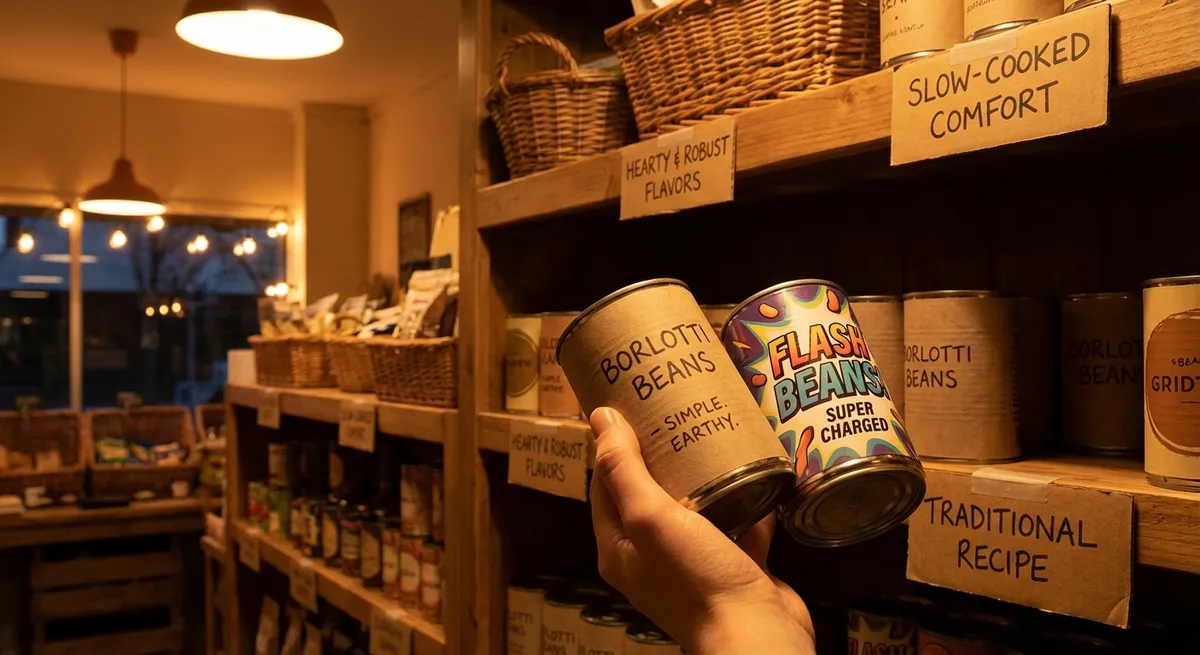
Food and drink marketing is louder than ever—“all-natural,” “protein-packed,” “zero sugar,” “artisan,” and “functional” labels are everywhere. But higher price tags don’t always mean better taste, better health, or better value. As a buyer, the smartest move is learning how to see past the buzzwords and choose products that truly match your needs, budget, and lifestyle.
This guide breaks down how to navigate the modern grocery aisle with confidence, plus five practical tips that make every cart (or basket) a better investment in flavor and nutrition—not just clever branding.
Understanding What You’re Really Paying For
When you buy food and drinks, you’re often paying for four things: ingredients, processing, branding, and convenience. The trick is deciding which of those actually matter to you for that specific purchase.
Branded products may charge more for marketing and packaging, while store brands often use the same manufacturers at a lower price. “Convenience foods” like pre-cut fruit, ready-to-eat salads, or bottled cold brew deliver time savings but significantly raise the price per serving. “Premium” labels—organic, grass-fed, craft, imported—can be worthwhile in some cases, but not all of them translate into a noticeable difference for taste or health.
A smarter approach is to match the level of quality and convenience to the role the item plays in your life. Everyday staples don’t always need to be gourmet; special-occasion ingredients might deserve a splurge. Recognizing this difference helps you direct your food budget toward the products that actually move the needle on your satisfaction and well-being.
Reading Food Labels Without Getting Tricked
Labels are supposed to inform, but the front of the package is often designed to persuade. The most useful information usually hides on the back and sides: the ingredients list and the Nutrition Facts panel.
Ingredients are listed in descending order by weight, so the first three to five items tell you most of what you need to know. If sugar (or its many aliases like cane syrup, maltose, or dextrose) appears near the top of a “healthy” drink or snack, that’s an important clue. Long ingredient lists aren’t automatically bad, but if you see a mix of added sugars, refined grains, and lots of additives in a product sold as a “clean” or “natural” option, the marketing may be ahead of the actual quality.
The Nutrition Facts label helps you compare products quickly. Look at serving size first—many drinks and snacks list more than one serving per container, which can hide how much sugar, sodium, or calories you’re truly consuming. Pay attention to added sugars, sodium, and fiber. For example, a “whole grain” cereal that’s high in added sugar and low in fiber isn’t giving you the benefits you’re expecting, no matter how wholesome the box looks.
Being label-literate doesn’t mean you can’t enjoy treats. It simply means you know when something is an indulgence rather than a disguised everyday staple—and you can decide if it’s worth the price.
Balancing Taste, Nutrition, and Budget
Food choices aren’t just about nutrition; they’re also about enjoyment and practicality. A meal plan that ignores flavor or your real schedule usually doesn’t last. Smart purchasing means finding a workable middle ground between what’s best on paper and what you’ll actually eat.
One helpful mindset is to think in terms of “upgrades” rather than perfection. Instead of swapping everything for the healthiest possible product, start with areas where a small change makes a big difference—like drinks (reducing sugary beverages), everyday snacks (more fiber and protein, fewer empty calories), or staple grains (brown rice, oats, or whole-wheat pasta when they fit your taste and budget).
Budget-wise, consider the cost per use or per serving, not just the sticker price. A large tub of plain yogurt may look more expensive than small flavored cups, but often costs less per serving and gives you more flexibility in how you use it—breakfast, snacks, cooking, and sauces. Similarly, buying whole vegetables instead of pre-cut can save significantly if you’re willing to invest a bit of prep time.
Your aim isn’t to buy the “perfect” item every time. It’s to consistently choose products that move you closer to better eating, better value, and less waste.
Five Practical Tips for Smarter Food & Drink Purchases
1. Compare Price Per Unit, Not Just the Shelf Tag
Unit price (cost per ounce, liter, pound, or count) is one of the most powerful tools for saving money without sacrificing quality. Many stores display this right on the shelf label; if not, a quick calculation on your phone can reveal which option is truly cheaper.
Use this especially for pantry staples and beverages. For example, a “sale” on single-serve yogurt may still be more expensive per ounce than a large container. Similarly, bottled iced coffee might be several times the cost per serving of brewing your own and chilling it.
There are exceptions: bulk is not always better if it leads to waste because you can’t use everything before it spoils. For perishable items, combine unit price comparisons with an honest look at how quickly your household actually consumes them.
2. Choose Store Brands Strategically
Store brands (private labels) often deliver nearly identical quality at lower prices, particularly for basics: canned beans, grains, spices, frozen vegetables, dairy, and many household staples. These items tend to be more standardized, leaving less room for major quality differences.
Where brand can matter more is in flavor-sensitive or formulation-heavy products: certain sauces, specialty snacks, or coffee blends may taste noticeably different between brands. Here, it can be worth trying a small amount of both a store brand and a well-known brand to see if the taste difference justifies the price difference for you.
Over time, build your own “shortlist” of where you happily go generic and where you prefer a specific brand. That personal map saves you money without feeling like you’re compromising every time you shop.
3. Prioritize Freshness and Shelf Life to Avoid Waste
A major hidden cost in food purchasing is waste. A “good deal” that winds up in the trash is the most expensive option of all. Choosing formats that match how you actually cook and eat can save you more than chasing every sale.
If you cook only a couple of times a week, frozen fruits and vegetables can be a smart buy. They’re often harvested and frozen at peak ripeness, retain nutrients well, and last much longer than fresh items in your crisper drawer. Similarly, shelf-stable items like beans, tomatoes, and broths reduce the risk of last-minute takeout when you’re short on fresh ingredients.
Check “best by” and “use by” dates, but also understand that many foods are still safe and high quality slightly past these dates, especially if stored properly. Buying with a realistic plan—knowing exactly when and how you’ll use what you purchase—prevents both food and money from going to waste.
4. Watch Beverage Purchases: Small Sips, Big Budget Impact
Drinks are one of the easiest places to overspend without noticing. Flavored coffees, bottled teas, juices, sports drinks, and sparkling waters can add up quickly while contributing relatively little in terms of nutrition.
Start by looking at your weekly beverage habits: how many drinks are you buying outside the home, and how many are you picking up at the store? Often, preparing coffee, tea, or infused water at home costs a fraction of ready-to-drink versions. Even upgrading to higher-quality coffee beans or tea leaves for at-home brewing is usually cheaper per serving than daily café purchases.
When it comes to sugary drinks, there’s also a health angle: cutting back, or replacing some of them with lower-sugar or unsweetened options, often delivers both budget and wellness benefits. If you enjoy fizz, a basic soda maker or buying larger bottles of seltzer can be more cost-effective than single cans and bottles.
5. Use “Anchor Items” to Guide the Rest of Your Cart
Anchor items are the core foods you build meals and snacks around—things like whole grains, lean proteins, eggs, beans, frozen veggies, or versatile dairy products. Choosing these wisely can make the rest of your purchasing easier and more efficient.
Start your trip (or online order) by locking in anchors: for example, chicken thighs, tofu, oats, brown rice, eggs, and frozen mixed vegetables. Once those are in your cart, add “accent” items—sauces, herbs, cheeses, nuts, fresh produce—based on what pairs well with your anchors. This keeps your cart grounded in items that stretch across multiple meals instead of filling up with one-off products you never quite get around to using.
Over time, you’ll notice patterns: the anchor items that consistently get used up are worth buying in larger quantities or when on sale, while those that linger might need a rethink or a smaller package size. This anchor-first approach helps you buy with intention, not impulse.
Conclusion
In a world overflowing with food and drink options, the smartest purchases come from clear priorities, not the loudest labels. When you understand what you’re really paying for—ingredients, branding, and convenience—you can match each item to the role it plays in your life, whether it’s an everyday staple, a weekly treat, or a special-occasion splurge.
By comparing unit prices, using store brands strategically, minimizing waste, watching beverage spending, and building around anchor items, you turn every grocery trip into a set of deliberate choices instead of guesses. That doesn’t mean giving up enjoyment; it means making sure the money you spend on food and drink actually shows up on your plate and in your glass as better flavor, better nutrition, or both.
Sources
- U.S. Food & Drug Administration – How to Understand and Use the Nutrition Facts Label - Explains how to read and interpret Nutrition Facts panels and ingredient lists
- Harvard T.H. Chan School of Public Health – Healthy Drinks - Provides research-based guidance on beverage choices, sugar content, and health impact
- USDA – Food Waste FAQs - Covers how food waste happens, why it matters, and how smarter purchasing and storage can reduce it
- Mayo Clinic – Added Sugar: How Much Is Too Much? - Details health implications of added sugars and where they often appear in foods and drinks
- Consumer Reports – Store Brands vs. Name Brands: Are They Really Different? - Investigates quality, taste, and value differences between private-label and branded products
Key Takeaway
The most important thing to remember from this article is that this information can change how you think about Food & Drink.