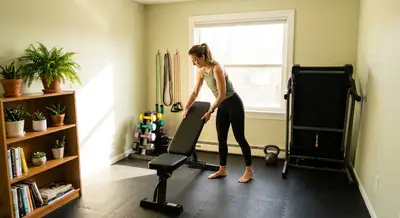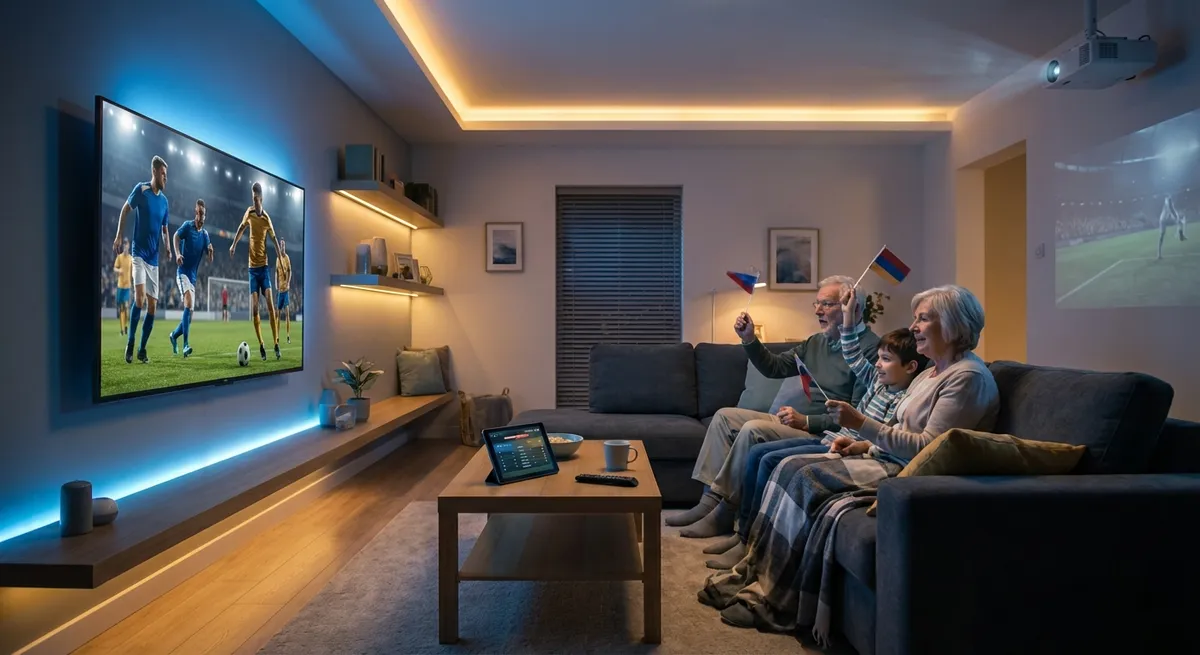
Whether you’re watching the game or training for one, your sports experience at home is shaped by what you buy: streaming services, equipment, wearables, and even your furniture. The challenge isn’t finding options—it’s cutting through the marketing and picking what actually improves your performance, enjoyment, and budget.
This guide walks through how to think like a smart sports consumer, with practical, buyer-focused tips you can apply whether you’re shopping for a treadmill, a basketball hoop, or a new sports streaming package.
Start With Your Real Sport Habits, Not the Ideal Version
Most wasted sports purchases come from buying for the person you wish you were, not the one you are right now. Before you spend, take a week to track your actual behavior:
- How many hours do you realistically play or train each week?
- Are you mostly watching games, casually active, or seriously training?
- Do you prefer indoor or outdoor activities?
- Do you exercise solo, with family, or in groups?
Write it down. If you watch live sports three nights a week but work out twice a month, a premium streaming subscription may deliver more value than a top-end home gym—at least for now.
This simple snapshot helps you see where your money will genuinely be used instead of sitting in a corner gathering dust. Buy for your current routine, and then upgrade as your habits and commitment level grow.
Match Gear to Your Level: Avoid “Future-Proof” Overkill
Sports brands love selling you on “elite” and “pro” models. But unless your performance or safety truly depends on it, those tiers often mean paying more for features you’ll never use.
A smarter approach:
- Beginner: Prioritize comfort, safety, and ease of use. For running, that may mean getting properly fitted shoes and a basic GPS watch instead of a full-blown multisport smartwatch.
- Intermediate: Add performance-enhancing features that solve specific problems—better traction, improved cushioning, more accurate tracking—not just more tech.
- Advanced or competitive: Focus on sport-specific benefits that translate directly into performance or injury prevention, often backed by research or endorsements from reputable coaches and organizations.
When comparing gear, look for three things:
1) Does this improve comfort or safety?
2) Does it measurably help performance (speed, endurance, accuracy, recovery)?
3) Will I actually use these features at least weekly?
If the answer is “no” to two or more of these, you’re probably looking at overkill.
Practical Tip #1: Test the entry or mid-tier first. If you consistently hit the limits of what that gear can do—like maxing out treadmill speeds or needing more precise metrics—then you’ll know your upgrade is justified.
Don’t Ignore Fit and Space: Measure Before You Buy
Sports purchases fail not just because they’re unnecessary, but because they don’t fit—your body or your home.
For wearables and clothing:
- Check size charts for each brand; they’re not standardized.
- Look for return policies that allow exchanges after trying things on at home.
- For shoes, especially running or court sports, consider an in-person fitting at a reputable store, even if you later buy online.
- Measure your usable space, including ceiling height and clearance for movement.
- Account for folding or storage (and whether you’ll realistically fold it up after workouts).
- Factor in noise and floor impact if you live in an apartment or shared space.
For home equipment like bikes, racks, and treadmills:
Use masking tape to outline the footprint of big equipment on your floor for a day. Walk around it. See if doors, cabinets, or other furniture are obstructed.
Practical Tip #2: Make a “fit checklist” before buying big items:
- Physical dimensions
- Weight and maximum user weight
- Noise level
- Power requirements
- Storage and transport (wheels, foldability)
If an item fails this checklist, even if it’s on sale, skip it. It’s not a deal if it ends up unused or returns become a hassle.
Separate Performance Claims From Real Evidence
Sports marketing is full of buzzwords: “scientifically designed,” “recovery-boosting,” “performance-enhancing.” Some products are genuinely backed by research and expert consensus; others are just riding the hype.
To be a smarter buyer, look for:
- Independent testing from credible organizations or labs, not just brand-controlled “studies.”
- Clear, realistic claims (e.g., “helps maintain hydration” vs. “instantly boosts performance”).
- Evidence-based recommendations from sports medicine clinics, certified trainers, or reputable organizations (like national sports associations).
- The product is used or endorsed by credible practitioners (sports physiotherapists, coaches, athletic trainers), not just influencers.
- Any health-related claims align with guidance from organizations like the American College of Sports Medicine (ACSM) or recognized sports medicine bodies.
- Google “[product name] review site:.edu or .gov” to see if any research or guidance exists.
- Search “[product type] risks” to understand potential downsides.
- Look for long-form, critical reviews (not just unboxing videos or sponsored content).
Check whether:
Practical Tip #3: Do a 10-minute credibility check before big purchases:
If all the praise comes from sponsored posts or the company’s own site, proceed cautiously.
Think in Systems, Not Single Purchases
Your sports life at home is a system: equipment, content (games, training videos, apps), space, and schedule all work together. Buying the best single item doesn’t help if it doesn’t fit into that system.
Look at your setup as a whole:
- If you’re mostly a spectator:
It may be smarter to invest in a reliable streaming bundle, a comfortable chair, and good lighting rather than chasing every piece of team merchandise. Prioritize stable internet and a TV or monitor with good motion handling for fast sports.
- If you’re building a home training space:
Start with versatile, high-usage items: resistance bands, adjustable dumbbells, a yoga or exercise mat, and a timer app. Add specialized gear (like a rowing machine or boxing bag) only after you’ve developed a consistent routine.
- If you’re a family with mixed interests:
Choose multi-user tools—like adjustable hoops, shared fitness apps with multiple profiles, or interchangeable weight systems—instead of one-person, highly specialized devices.
Practical Tip #4: Use a “layered buying” approach:
- Core layer: A few essentials you’ll use multiple times per week.
- Support layer: Recovery tools (foam rollers), storage solutions, basic wearables.
- Specialized layer: Niche gear for specific sports or advanced training.
Don’t move to the next layer until you’re consistently using what you already own. This prevents overbuying and keeps your sports spending aligned with your actual participation.
Plan for Lifespan: Upkeep, Warranties, and Resale Value
Even the best sports gear wears out. Smart buying means thinking beyond the purchase price to total ownership cost.
Consider:
- Durability and maintenance:
- Are replacement parts (bands, cables, batteries, grips) easy to find?
- Is cleaning simple, especially for sweat-heavy items like mats and padding?
- Warranties and service:
- For treadmills, bikes, and smart equipment, check coverage on the frame, motor, electronics, and labor separately.
- Avoid brands with poor service reputations, even if the equipment looks great on paper.
- Resale and trade-in:
- Well-known brands with widely used models often hold value better.
- Some companies offer trade-in programs for upgraded devices.
Practical Tip #5: Estimate “cost per use” before buying.
Roughly calculate:
Price ÷ realistic uses over 2 years = cost per use.
A $50 basketball you use three times a week could cost cents per use. A $1,500 smart bike you ride twice a month becomes very expensive per session. Comparing this way helps you see where premium spending is justified and where a simpler option is smarter.
Conclusion
Smart sports buying isn’t about chasing the newest gear or having a “perfect” home setup. It’s about aligning your purchases with how you actually live, play, and watch—today, not in some imagined future.
By focusing on fit and space, matching gear to your level, checking evidence behind claims, thinking in systems, and planning for lifespan and cost per use, you turn sports purchases into tools that genuinely support your health, enjoyment, and budget.
Every item you bring into your home—whether it’s a streaming service, smart watch, or set of dumbbells—should earn its place by being used, not just admired. When you buy with that standard in mind, both your performance and your wallet come out ahead.
Sources
- American College of Sports Medicine – Consumer Information - Provides evidence-based guidance on exercise, fitness gear, and safe training practices.
- Mayo Clinic – Exercise Equipment: Choices That Can Boost Your Home Workout - Covers how to choose and use home fitness equipment effectively and safely.
- U.S. Consumer Product Safety Commission – Sports & Recreation Safety - Offers safety considerations and injury prevention tips for sports and fitness products.
- Cleveland Clinic – Sports Injuries: Prevention - Explains how proper equipment and preparation reduce injury risk.
- Harvard T.H. Chan School of Public Health – Physical Activity - Provides research-based context on the role of physical activity and how consistent habits matter more than gadgets alone.
Key Takeaway
The most important thing to remember from this article is that this information can change how you think about Sports.