Whether you’re joining a weekend league, getting your kid started in a new sport, or leveling up your home workout setup, the cost of sports gear can add up fast. But paying more doesn’t always mean performing better—especially if you’re still figuring out what you actually need.
This guide breaks down how to buy sports equipment the way serious players and coaches do: focused on fit, function, and long-term value, not just flashy marketing. You’ll find five practical, consumer-friendly tips to stretch your budget without sacrificing performance or safety.
Start With the Demands of Your Sport, Not the Hype
Before you spend anything, zoom out: what does your sport actually require for safe, effective play?
Different sports load your body—and your gear—very differently. Running and soccer punish footwear; racket sports punish your shoulder and elbow; cycling demands a comfortable fit for long periods; contact sports require certified protective gear. Brands will happily sell you “performance” add-ons, but many are marginal upgrades disguised as must-haves.
Look up the official or governing body requirements first (for example, helmet safety certifications or ball size standards by age group). Then talk to a coach, league organizer, or experienced player about what’s truly non-negotiable versus “nice to have.” This simple step helps you distinguish essential performance features (like proper cushioning or safety ratings) from cosmetic perks (like limited-edition colors or a star player’s signature model).
When you anchor your shopping list to the demands of your sport and your level of play (beginner, recreational, competitive), you avoid the trap of buying high-end gear that doesn’t translate into real-world benefits for you. In many cases, a solid mid-range option is indistinguishable in performance for most recreational athletes.
Fit and Comfort First: How to Test Gear Like a Coach
The wrong fit can ruin even the most expensive equipment. Blisters, joint pain, and poor form often trace back to gear that doesn’t match your body, not your talent.
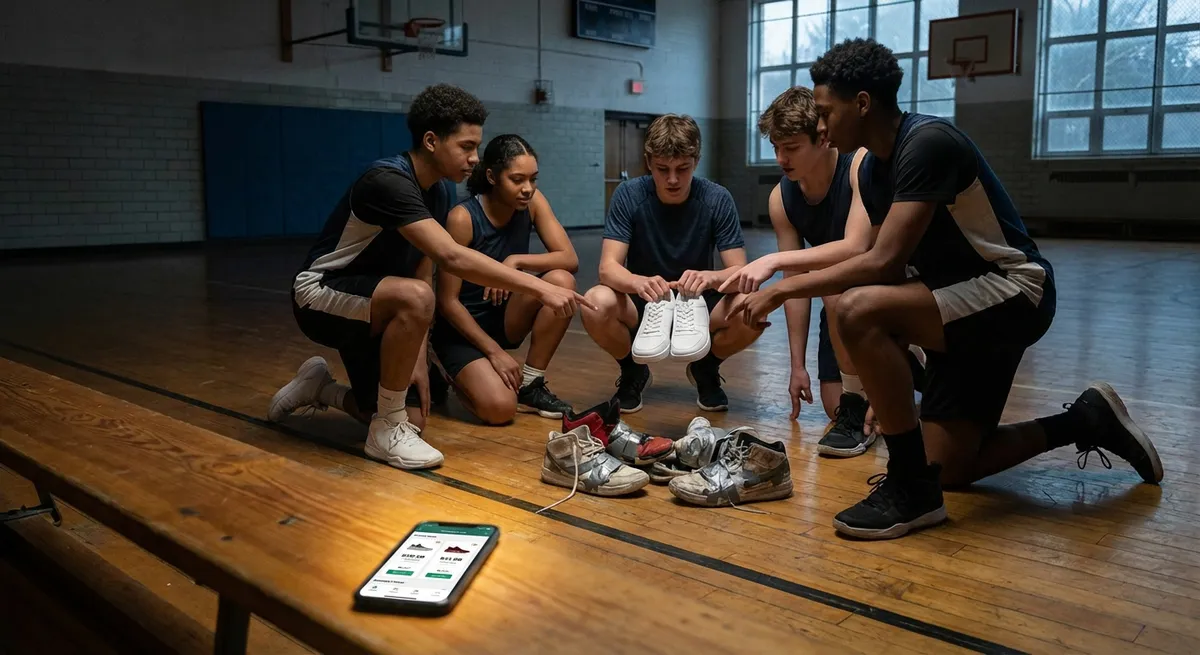
For shoes and cleats, prioritize fit, support, and stability over brand or style. If possible, shop later in the day when your feet are slightly swollen (closer to game conditions), and wear the same type of socks you’ll use during play. Take the time to walk, jog, or mimic sport-specific movements in-store—cuts, pivots, or quick stops—not just a few steps on the carpet.
For protective gear like helmets, pads, or mouthguards, use size charts from official or manufacturer websites and follow their fitting instructions carefully. A helmet that’s too loose, for instance, can underperform even if it meets safety standards, because it may not stay in the right place during impact.
Apparel (compression wear, base layers, gloves) should feel snug but not restrictive. If you’re buying online, check detailed sizing guides, read reviews from people with similar measurements, and favor retailers with easy return policies. Fit and comfort directly affect your form and fatigue—if you dread wearing the gear, you’re less likely to train consistently.
Tip 1: Invest in Safety and High-Impact Items First
When budget is tight, prioritize the gear that most affects your health and injury risk. These are typically items that:
- Absorb impact (helmets, mouthguards, shin guards, pads)
- Support joints and repetitive motion (shoes, cleats, skates)
- Provide structural safety (proper bike frame and brakes, quality racket frame rather than just strings)
For these categories, quality and correct certification matter more than cosmetic differences. For example, in sports like football, hockey, cycling, or baseball, look for equipment that meets or exceeds recognized safety standards from organizations such as NOCSAE (for helmets) or CPSC (for bike helmets).
Then consider long-term cost per use. A well-made pair of running shoes that keeps you injury-free for 300–500 miles is cheaper in the long run than bargain shoes that force you to replace them sooner—or worse, sideline you with knee or foot issues. The same logic applies to kids: while they grow quickly, skimping on safety gear can lead to preventable injuries and medical costs that dwarf any savings.
Once your essentials are covered—solid footwear, properly fitted protective gear—you can build out from there with more budget-friendly choices on apparel, accessories, and extras.
Tip 2: Buy for Where You Are Now, With a Plan to Upgrade Later
Marketing often pushes you toward “pro-level” gear, but most beginners and casual players don’t need (or fully use) top-tier equipment. Instead, think in stages:
- Stage 1 (Trying a sport): Borrow, rent, or buy used when possible. Focus on safety and basic functionality. This keeps your risk low if you decide the sport isn’t for you.
- Stage 2 (Committed recreational use): Upgrade weak links—shoes that cause discomfort, a racket or bat that feels unbalanced, or a bike that doesn’t fit well. Aim for solid mid-range gear that balances durability, comfort, and price.
- Stage 3 (Competitive or high-volume training): At this point, specialized or premium gear may make sense. Buy selectively, targeting items that solve specific problems (e.g., more stable shoes for overpronation, a lighter racket for elbow issues, or a more aerodynamic helmet for cycling).
Avoid buying “aspirational” items—gear that fits the player you hope to become two years from now, not the one you are today. For kids, this is especially important: don’t size up too aggressively in shoes or protective gear “to grow into it,” as this can increase injury risk and hurt performance.
If you feel pressure to jump straight to top-tier gear, check what coaches and experienced players actually use during training. You’ll often find they rely on solid, durable models—not always the flashiest or most expensive.
Tip 3: Use the Secondhand and Rental Market Strategically
Not everything needs to be bought new. Many types of sports equipment hold up well and can be safely purchased secondhand, especially for low- or non-contact activities.
Good candidates for used purchases include:
- Bats, clubs, rackets (if not cracked or warped)
- Weights, dumbbells, kettlebells, and resistance bands (inspect for rust, cracks, or broken handles)
- Yoga mats, blocks, and straps (sanitize thoroughly)
- Bikes and cycling accessories (have a shop check safety-critical parts: frame, brakes, wheels)
- Non-critical apparel and outerwear (jerseys, shorts, training jackets)
Be more cautious with items that lose integrity over time or are specifically designed to absorb impact—like football or hockey helmets and older bike helmets—because internal damage isn’t always visible. When in doubt, consult manufacturer guidance on lifespan and replacement intervals.
Rental options are underused by casual athletes. Skiing, snowboarding, stand-up paddleboarding, and some racket sports often have local rental programs. If you play only a few times a season or want to try before you buy, renting can dramatically reduce costs while helping you learn what features matter most to you.
Finally, check for organized gear swaps in your community—youth leagues, schools, and local clubs often host events where families trade outgrown items. It’s a practical way to move up in quality without paying full retail each time.
Tip 4: Time Your Purchases Around Seasons and Product Cycles
Sports gear has patterns—if you pay attention to timing, you can often get the same quality for significantly less.
Key timing strategies:
- End-of-season clearance: Retailers clear out last season’s colors and minor model updates to make room for new stock. For example, buying soccer cleats at the end of the fall season or skis near the end of winter often yields deep discounts.
- Model-year changes: For items like running shoes, bikes, or high-end rackets, new versions often focus on incremental improvements. When a new line launches, last year’s model typically drops in price even though performance differences are minimal for most users.
- Off-season buying: Purchases made when demand is low (like buying swimsuits or outdoor gear in the colder months) can mean better deals and more room to negotiate, especially in local shops.
If you’re not in a rush, set price alerts or keep a simple note of what you need and the usual retail price. That way, when a sale appears, you can quickly judge whether it’s a genuine deal or just marketing spin. Aim to buy durable, timeless pieces on sale rather than trend-heavy items that will feel dated quickly.
Tip 5: Look Beyond the Sticker Price—Total Cost of Participation
Buying gear is only part of the financial picture. Many sports come with ongoing costs: court or field fees, league registrations, coaching, maintenance, and replacement schedules. Smart purchasing means planning for the entire “cost of participation,” not just the gear bag.
Before committing, map out:
- Recurring fees: League dues, gym memberships, club or court fees.
- Consumables and maintenance: Balls that wear out, stringing rackets, skate sharpening, bike tune-ups, replacement shoe insoles.
- Travel and time: Tournaments, away games, or driving to distant practice facilities.
Sometimes, choosing one version of a sport over another can lower these recurring costs. For example, running and bodyweight training require relatively minimal equipment compared to sports that rely on paid facility access. Within team sports, local recreational leagues may offer the same fun and exercise with lower fees than elite clubs.
When you understand the ongoing costs, you can decide where to spend more upfront to save later. For instance, a slightly more expensive but highly durable training shoe might reduce how often you need to replace footwear. A higher-quality bike with a dependable drivetrain can cut repair bills over several seasons.
Conclusion
You don’t need a pro-sized budget to build a capable, enjoyable sports setup—you just need to buy like a strategist instead of a collector. Start with the real demands of your sport, focus on fit and safety, and match your purchases to your current level of play. Use secondhand and rental options where it’s safe, time your buys to off-seasons and model changes, and keep an eye on the long-term cost of participation.
When you align your gear with your goals, your body, and your budget, you get what matters most: more time actually playing, fewer regrets at checkout, and a better chance of sticking with the sports you love.
Sources
- U.S. Consumer Product Safety Commission – Helmet Safety Standards - Overview of safety standards and certifications for different types of helmets
- NOCSAE (National Operating Committee on Standards for Athletic Equipment) - Information on safety standards and certification for sports protective equipment
- American Orthopaedic Foot & Ankle Society – Proper Athletic Footwear Guide - Expert advice on selecting and fitting athletic shoes
- Mayo Clinic – Sports Injury Prevention - Guidance on preventing injuries, including the role of appropriate equipment
- REI Co-op Expert Advice – How to Buy Used Gear - Practical tips for safely purchasing secondhand outdoor and sports equipment
Key Takeaway
The most important thing to remember from this article is that this information can change how you think about Sports.