Sports gear should help you play better, stay safer, and actually enjoy being active—not drain your wallet or collect dust in a closet. Whether you’re getting into a new sport or upgrading your setup, smart purchasing is less about chasing the “pro” label and more about understanding what you actually need. This guide breaks down how to choose sports equipment that fits your body, goals, and budget, with five practical tips you can use for almost any sport.
Start With Your Body, Not the Brand
Before you look at logos or pro endorsements, start with fit and comfort. The most expensive item in the store is useless if it doesn’t work with your body.
Think about your current fitness level, past injuries, and how often you’ll realistically play. For example, a runner with knee issues might prioritize cushioned, stability-focused shoes over the lightest “race” model. A recreational tennis player who only plays on weekends doesn’t need the same racket stiffness or string tension as a competitive athlete.
Whenever possible, get sized in person—especially for shoes, helmets, protective gear, and any item that affects form (like rackets, bats, or clubs). Many specialty stores offer basic assessments or fittings at low or no cost. Pay attention to how gear feels in motion: jump, pivot, squat, swing, or mimic the movements of your sport instead of just standing still.
If you’re shopping online, check the size guide, look for multiple photos, and read reviews from people with similar height, weight, and experience level. Prioritize gear that comes with clear sizing details and return options so you’re not stuck with something that doesn’t fit right.
Focus on Safety and Core Performance First
In most sports, a handful of items matter far more than the rest. These are usually related to safety and primary performance—things that directly affect injury risk or how you move.
Start by identifying the “critical” pieces for your sport:
- Running or walking: shoes that match your foot type and terrain
- Cycling: helmet and properly sized bike frame
- Team/contact sports: certified helmets, mouthguards, and pads where required
- Racquet sports: appropriate footwear and a racket that matches your level
- Outdoor sports: weather-appropriate clothing and visibility or lighting where needed
Look for safety certifications where relevant, such as CPSC or Snell for helmets in the U.S., or sport-specific recommendations from reputable organizations. Don’t skip or underbuy protective gear—this is usually where cheap, poorly made products can have real consequences.
Once you’ve covered safety, focus on gear that affects form and enjoyment: footwear, core equipment (like balls, rackets, sticks, or clubs), and any item that contacts your body often (like grips, gloves, or padding). Clothing, accessories, and “nice-to-have” gadgets can come later, after the key pieces are solid.
Compare Cost Over Time, Not Just Price Tags
A bargain isn’t a bargain if it wears out quickly or never gets used. When comparing options, think in terms of cost per use and lifespan.
Ask yourself:
- How many times per week do I expect to use this?
- How long should this realistically last at that usage level?
- Will I outgrow this quickly because my skill level is changing fast?
If you’re just testing a sport (like pickleball or trail running), consider starting with entry-level or secondhand gear to see if you stick with it. But if you’re already committed and play frequently, it can be cheaper over time to invest in mid-range gear with better durability and support.
Pay attention to:
- Materials: Higher-quality fabrics, foams, and composites may cost more upfront but often hold shape and impact protection longer.
- Replaceable parts: Can you swap out insoles, grips, strings, or pads instead of replacing the entire item?
- Care instructions: Are you actually willing to maintain it (e.g., air-drying shoes, re-stringing rackets, washing technical fabrics correctly)?
When comparing two items, roughly estimate: price ÷ expected uses. A pair of running shoes that costs more but lasts longer and keeps you injury-free often beats a cheap pair that breaks down quickly or causes discomfort.
Use Community Knowledge Before You Click “Buy”
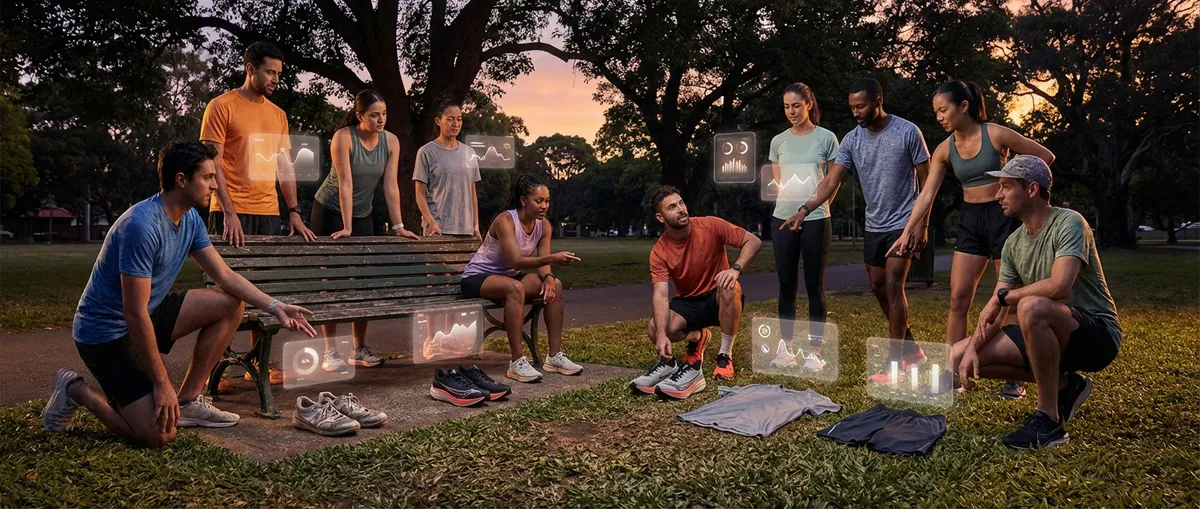
You’re rarely the first person to face a buying decision for your sport. Tapping into community knowledge can help you avoid marketing hype and steer you toward gear that’s actually worth it.
Places to look:
- Local clubs or leagues (running groups, cycling clubs, rec leagues)
- Coaches and trainers who work with your sport and level
- Online forums or subreddits focused on your sport
- Reviews that highlight long-term use, not just “unboxed today” impressions
Ask specific, practical questions like:
- “What gear do most beginners regret buying?”
- “If you had to cut your sports budget in half, what would you keep?”
- “Which item made the biggest difference in comfort or performance for you?”
When reading online reviews, scan for patterns, not one-off complaints or raves. If many people mention sizing quirks, durability issues, or standout comfort, that’s more reliable than a single 5-star or 1-star review. Also pay attention to reviewers who mention their experience level and use case; advice from a high-level competitor may not apply to a casual player.
Five Practical Tips for Smarter Sports Purchases
Here are five concrete tactics you can apply to almost any sports purchase:
Test Before You Invest
- Use rental programs, demo days, or trial periods where available, especially for bikes, skis, rackets, and clubs. - For smaller items (like balls or grips), buy one first instead of a bulk pack until you know you like it.
Buy for Your Current Level, With a Small Growth Margin
- Choose gear that supports how you play now but won’t hold you back in the next 6–12 months. - Avoid ultra-advanced “pro” gear that assumes perfect technique; it can be less forgiving and even increase injury risk for beginners.
Prioritize Footwear and Impact Zones
- Allocate more of your budget to shoes and any gear that absorbs shock or impact (helmets, pads, gloves). - A comfortable, supportive base can improve performance more than a flashy high-tech accessory.
Lean on Off-Season and Previous-Year Models
- Last year’s version of a reputable brand’s shoe, racket, or clothing line is often significantly cheaper with only minor changes. - Shop off-season (e.g., buy winter sports gear in late spring) for substantial discounts without sacrificing quality.
Plan a Small “Maintenance Budget”
- Set aside a bit of money for replacements and upkeep: new laces, insoles, grips, strings, ball replacements, or reconditioning. - Regular small tune-ups can extend the life of your gear and keep performance consistent, saving you from premature big-ticket purchases.
Conclusion
Smart sports buying isn’t about owning the most expensive gear; it’s about choosing equipment that fits your body, your goals, and your actual habits. When you prioritize safety and fit, think about cost over time, and lean on community experience, you avoid wasted purchases and get more enjoyment from every session. Start with the pieces that matter most, build up slowly, and let your real playing time—not marketing—guide your upgrades. Over time, your gear becomes an ally in staying active, not an obstacle or a sunk cost.
Sources
- Centers for Disease Control and Prevention – Sports Safety - Covers key principles of injury prevention and protective gear recommendations across common sports
- American Academy of Orthopaedic Surgeons – Sports Safety Tips - Provides expert guidance on equipment, footwear, and safety for athletes at different levels
- Road Runners Club of America – Running Shoe Selection - Explains how to choose properly fitting running shoes based on your needs and running style
- Consumer Product Safety Commission – Helmet Safety - Details helmet standards, certifications, and fit tips for cycling and related sports
- U.S. Olympic & Paralympic Committee – Sports Clubs and Resources - Helps individuals connect with organized clubs and communities for specific sports and levels
Key Takeaway
The most important thing to remember from this article is that this information can change how you think about Sports.