Getting into a new sport—or leveling up in one you already love—doesn’t have to mean emptying your wallet. From running and tennis to cycling and recreational leagues, the right purchases can boost performance, reduce injury risk, and make the experience more enjoyable. The wrong ones often end up gathering dust in a closet.
This guide walks through how to buy sports gear, apparel, and memberships more intelligently, with five practical tips to help you prioritize, test before you commit, and avoid marketing hype.
Start With Safety and Fit, Then Consider Everything Else
When you’re planning what to buy, focus first on items that directly affect your safety and physical health. Everything else—style, brand, color, bonus features—should come second.
For impact or high-speed sports (like cycling, skiing, hockey, football), properly certified helmets, pads, and guards are non-negotiable. Look for safety certifications specific to the sport (such as CPSC or ASTM standards in the U.S.) rather than relying on brand reputation alone. For running, walking, or court sports, footwear fit is your “safety gear,” as poorly fitted shoes can increase the risk of overuse injuries.
Sizing guides are useful, but whenever possible, get fitted in person—especially for shoes, helmets, and anything worn close to the body. Pay attention to how items feel when you move, not just when you’re standing still. A slightly cheaper item that fits perfectly is almost always a better buy than a premium one that doesn’t. Once key safety and fit-related items are covered, you can start comparing brands and optional features with a lot more confidence.
Match Your Spending to Your Actual Commitment Level
A common trap is buying like a future pro when you’re still a beginner. Marketing for sports gear often assumes you’ll quickly reach an advanced level, but many people are actually testing whether they enjoy the sport long term.
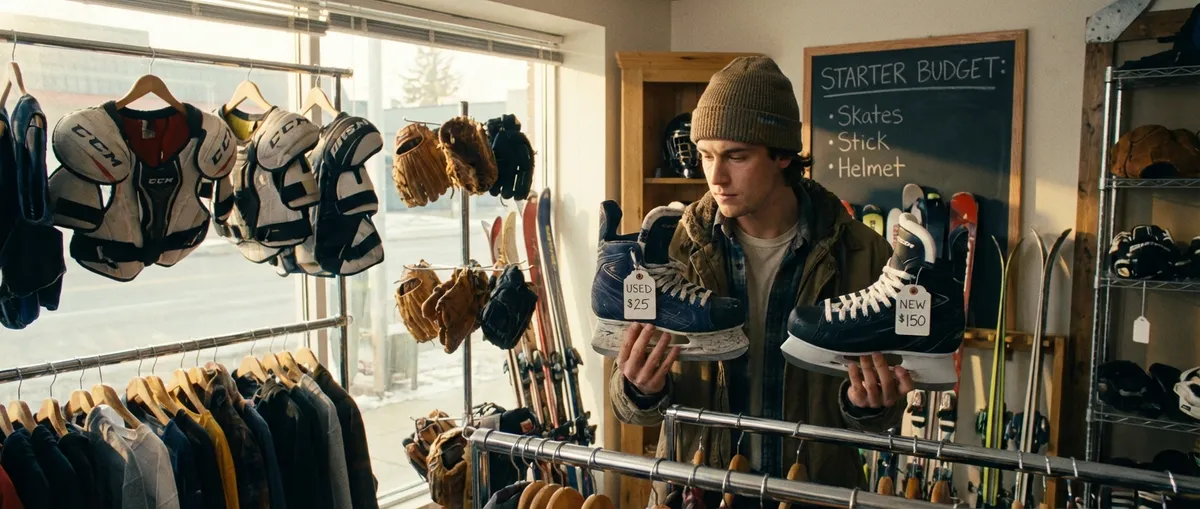
Be honest about your current stage: Are you trying a sport for the first time, returning after years away, or seriously training? For beginners or casual players, mid-range gear is usually more than enough. If you’re not sure the sport will stick, consider renting, borrowing from friends, or buying used before investing in high-end equipment.
Treat your first 3–6 months as a trial phase. During that time, focus on essentials that help you learn safely and comfortably, not on specialized gear that only benefits experienced users. As your skill and commitment grow, upgrades become easier to justify—and you’ll understand which features actually matter for your style of play. This staged approach protects your budget and reduces regret purchases.
Compare Features, Not Just Brands or Influencers
Sports marketing leans heavily on endorsements, social media, and pro-level branding, but performance gains often come from basic, measurable features rather than fancy labels.
Before buying, list the 3–5 features that will actually improve your experience. For example:
- Runners might prioritize cushioning type, heel-to-toe drop, and weight.
- Cyclists might focus on frame size, gearing range, and brake type.
- Team-sport players might look at traction, ankle support, and durability.
Use those criteria to compare products across multiple brands. Look for independent reviews (including from coaches or sports organizations) rather than relying only on promotional videos or influencer content. Pay special attention to consistent feedback: if many users mention durability issues or poor comfort, that’s a red flag—even if the product is popular on social media.
Also consider whether a “higher-level” product would really benefit your current use. For example, ultra-stiff racing shoes or high-end competition rackets can be less forgiving and even hinder beginners, despite sounding impressive. A balanced, all-purpose model is often more cost-effective and easier to grow with.
Use the Try-Before-You-Buy Mindset Wherever Possible
In sports, how something feels is as important as how it looks on paper. Whenever you can, treat gear like a test drive before a purchase.
Many running stores, cycling shops, and tennis or ski centers offer demo programs or rental options. Use these opportunities to evaluate comfort, handling, and performance in real conditions. If you’re joining a league or recreational club, ask whether they provide shared or loaner equipment for new members, especially for more expensive items like bats, sticks, or protective gear.
For apparel and footwear, test movement: squat, jump, pivot, and simulate actual play in the fitting room or store. For memberships—like gyms, climbing facilities, or sports clubs—look for free trial days or short-term passes before committing to a long contract. Pay attention to how often you realistically go during the trial, not how often you intend to go.
This mindset can also apply online: check return policies, especially for shoes and protective gear. Many retailers now offer generous return windows if items are lightly used indoors, which lets you test fit and comfort with reduced risk.
Plan Purchases Around Seasons, Sales, and Lifespan
Timing can have a big impact on how much you pay for sports gear. Many items follow seasonal pricing cycles, with steep discounts as seasons end. For example, winter sports gear often gets cheaper as spring approaches, and outdoor gear can drop in price in late fall. If you can plan ahead and buy off-season, you can often afford better-quality items for the same budget.
Consider the expected lifespan of what you’re buying and divide the cost by how often you’ll realistically use it. Shoes used three times a week for a year may offer more value than a piece of specialized equipment used twice a season. Some items—like quality helmets, rackets, or bikes—can last years with proper maintenance, making them worth a higher upfront investment if you’re committed to the sport.
Look beyond headline “sale” tags and double-check whether the item is last year’s model or a lower-tier version with fewer features. Last year’s model at a discount can be a great deal if the changes are minor, but be cautious if safety standards or key technologies have changed. Also factor in maintenance and accessory costs (balls, strings, grips, replacement pads, tune-ups) so you’re not surprised by ongoing expenses.
Conclusion
Smart sports buying isn’t about getting the most expensive gear—it’s about aligning what you purchase with how you actually play, your safety needs, and your budget. By prioritizing fit and protection, matching your spending to your commitment level, comparing real features over hype, testing before you commit, and timing your purchases wisely, you set yourself up for a better experience on the field, court, track, or trail.
Thoughtful buying not only saves money; it can make the difference between a sport that feels uncomfortable and frustrating, and one that becomes a long-term, enjoyable part of your life.
Sources
- U.S. Consumer Product Safety Commission – Helmet Safety Standards - Overview of certification and testing requirements for helmets in the U.S.
- Mayo Clinic – Choosing the Right Athletic Shoes - Guidance on fit, support, and features that matter for sports footwear.
- Cleveland Clinic – Sports Equipment and Injury Prevention - Explains how appropriate gear can reduce the risk of sports-related injuries.
- REI Co-op – How to Choose a Bike Helmet - Practical advice on fit, safety certifications, and features for helmets, applicable to other protective gear decisions.
- American Council on Exercise (ACE) – How to Choose the Right Gym - Offers insight into evaluating fitness memberships and facilities before committing.
Key Takeaway
The most important thing to remember from this article is that this information can change how you think about Sports.