Whether you’re into console epics, PC indies, mobile time-killers, or board games around the table, the hardest part isn’t finding a game anymore—it’s choosing the right one without wasting money. With constant sales, deluxe editions, microtransactions, and subscription libraries, it’s easy to overspend or end up with a backlog you barely touch.
This guide focuses on practical ways to decide what to buy, when to buy it, and which version to choose so you get the most playtime and the least regret.
Understand Your Play Style Before You Spend
Before you chase discounts or hype, figure out what you actually enjoy playing. This alone can save you from piling up “on sale” titles you never finish.
Think about:
- Session length: Do you play in short bursts (under 30 minutes), or do you like long 2–3 hour sessions? Short-session players may prefer roguelikes, puzzle games, or competitive matches over 80-hour RPGs.
- Solo vs social: If friends regularly play one or two titles, chasing every new release may be less valuable than investing in games with strong co-op or multiplayer support.
- Platform reality: Owning a console, PC, and phone doesn’t mean you use them equally. Track where you actually play most—to avoid buying the same type of game on platforms you rarely touch.
- Challenge preference: If you tend to drop games when they’re too hard or too easy, look for difficulty settings, accessibility options, and community feedback about learning curves.
- Story vs systems: Narrative-driven players may prefer well-reviewed single-player campaigns, while systems-focused players might get more from sandboxes, strategy games, or builders.
Make a short “game profile” for yourself: what genres, time commitments, and social setups you actually use. Refer back to it before major purchases.
Decode Editions, DLC, and Subscriptions Without Getting Trapped
Game pricing has become layered: base game, deluxe, gold, ultimate, DLC packs, battle passes, and subscription libraries. You don’t need to avoid these entirely—you just need a clear decision process.
Consider this framework:
- Start with the base game unless:
- The deluxe edition includes substantial extra content you know you’ll use (major expansions, story DLC), not just cosmetics.
- The upgraded edition is only slightly more expensive during a sale and bundles DLC you’d likely buy anyway.
- Time-limited bonuses are rarely worth it unless they’re content you’d buy regardless (like a full expansion) or you’re already a dedicated fan of the series.
- Subscriptions (Game Pass, PlayStation Plus, etc.) can be smart if:
- You actually play 2–3 games from the catalog every few months.
- You use them to try before you buy—sampling games to see if they’re worth a full purchase later.
- You calendar a reminder for renewal so you can cancel if you’re not using it.
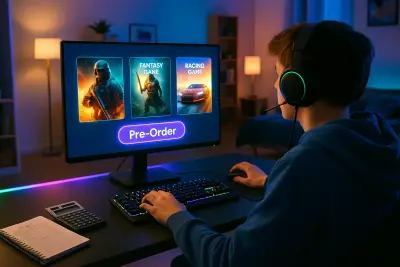
- Avoid pre-ordering unless:
- The developer and publisher have a strong track record of stable launches.
- Independent reviews or early-access impressions are already solid.
- Pre-order bonuses include content you genuinely want and would pay for separately.
Treat extras as optional—not automatic. If you’re unsure, buy the base game and wait; complete editions of popular games often go on deep discount a year or two after launch.
Use Community Data and Critics—But Filter It Smartly
Reviews, ratings, and community chatter are powerful tools, but they’re not all equal. Rather than chasing Metacritic scores or one influencer’s opinion, use them as targeted inputs.
Here’s how to get the most out of them:
- Read multiple sources: Check at least one professional review and a few user reviews. Professionals often cover technical performance and design; players highlight long-term fun and annoyance factors.
- *Look for patterns, not outliers: If many different people complain about the same issue (bugs, grind, predatory monetization), take it seriously.
- Pay attention to post-launch updates: Some games launch rough but improve dramatically; others stagnate. Patch notes and developer communication (on official sites or social channels) show whether a game is being meaningfully supported.
- Check platform-specific reviews: A game may run well on high-end PCs but poorly on older consoles or mobile devices. Focus on reviews from people using a similar setup to yours.
- Watch gameplay, not just trailers: Trailers are marketing. Actual gameplay videos from regular players show UI, pacing, and how repetitive or satisfying mechanics feel.
Use reviews not to tell you if a game is “good” in general—but whether it’s good for you: your hardware, your budget, and your play style.
Five Practical Tips for Smarter Game Purchases
Here are concrete, consumer-focused habits that can significantly improve the value you get per dollar spent:
Set a “cooling-off” rule for full-price games
If a game is over a certain price (e.g., $50+), wait 48–72 hours before buying. Use that time to: - Watch gameplay from non-sponsored creators. - Read at least one written review and user feedback. - Check whether there are known launch issues or incoming patches. Many impulse buys vanish once the initial excitement cools down.
Track your backlog and playtime honestly
Use platform tools (Steam, PlayStation, Xbox, Switch) or a simple spreadsheet to: - List games you own but haven’t finished—or even started. - Note approximate hours played vs. price paid. If you see a pattern of buying games you barely touch, commit to finishing or selling/trading a game before buying the next one.
Use wishlists and price alerts instead of impulse buys
Add interesting games to a wishlist rather than buying on sight. Then: - Turn on sale notifications or use price-tracking tools for PC and console stores. - Decide a target price based on your likely enjoyment and budget. This transforms “that looks cool” into “I’ll grab it when it hits a fair price for me.”
Prioritize games with long-term or replay value for your budget
If your budget is tight, favor: - Games with strong mod support, procedural generation, or multiple modes. - Titles with good local or online multiplayer so you can share them with friends or family. - Games known for meaningful updates or seasonal content that don’t require constant extra spending. One excellent, replayable game often delivers more value than several mediocre ones.
Budget separately for in-game purchases—and cap it*
For games with microtransactions, battle passes, or cosmetics: - Decide in advance how much you’re willing to spend per month or per season. - Treat this like any other entertainment budget line item. - Avoid “whale” traps—small repeated purchases that add up to more than the base game itself. If you feel pressure to spend to keep up (power creep, aggressive FOMO timers), that’s a sign to reconsider the game, not just your spending.
When to Buy New, When to Wait, and When to Skip
Not every game needs to be bought at launch—even if it’s trending online. Timing can dramatically change the price you pay and the experience you get.
Consider buying at or near launch when:
- You care about being part of the community conversation or competitive scene early.
- The game is heavily multiplayer and player population matters.
- The developer has a strong track record for stable, polished releases.
Consider waiting 3–12 months when:
- You’re mostly interested in the single-player experience.
- The game is known to have bugs, balancing issues, or performance problems at launch.
- You’re on a budget and can take advantage of early discounts and “complete” editions with bundled DLC.
Consider skipping or delaying indefinitely when:
- Reviews remain mixed long after launch and major issues persist.
- Monetization models keep shifting toward more aggressive in-game spending.
- The gameplay loop sounds like something you’ve repeatedly burned out on before.
You don’t have to chase every big release. A lot of the best value in gaming comes from slightly older titles that have been patched, discounted, and fully content-complete.
Conclusion
Smart game buying isn’t about never spending money—it’s about making sure the money you do spend turns into memorable sessions, not digital clutter. When you understand your play style, decode editions and subscriptions, filter reviews intelligently, and put a few buying rules in place, you turn a chaotic market into a curated library that actually fits your life.
You’ll still get the thrill of discovering new favorites—but with fewer regrets, fewer unfinished purchases, and a lot more hours of genuine fun per dollar.
Sources
- Entertainment Software Association – 2024 Essential Facts About the Video Game Industry – Industry statistics on who plays games, what they play, and purchasing trends
- Federal Trade Commission – Consumer Information on In-Game Purchases – Guidance on microtransactions, loot boxes, and protecting yourself from unexpected charges
- Microsoft – Xbox Game Pass FAQ – Official details on subscription terms, catalogs, and how the service works
- Sony Interactive Entertainment – PlayStation Plus Guide – Information on subscription tiers, game libraries, and benefits
- PCMag – How to Save Money on Video Games – Practical tips on deals, subscriptions, and choosing the right purchasing strategy
Key Takeaway
The most important thing to remember from this article is that this information can change how you think about Games.