Buying games today can feel overwhelming. There are sales every week, deluxe editions with confusing extras, microtransactions, and early access titles that may never fully launch. If you’re not careful, your library can fill up with games you don’t actually enjoy—and a lot of wasted cash.
This guide walks you through how to choose games that genuinely fit your time, budget, and playstyle. You’ll learn how to read between the lines of marketing, understand value beyond price tags, and avoid common money traps—so every new purchase feels like a win, not a regret.
Know Your Playstyle Before You Open Your Wallet
Before you look at discounts or hype, get clear on what kind of player you actually are. The “best” game for you isn’t the one with the highest Metacritic score—it’s the one that matches how you like to play and how much time you realistically have.
Think about:
- Session length: Do you prefer quick 20–30 minute bursts, or multi-hour story sessions? Multiplayer shooters and roguelikes may suit shorter sessions, while sprawling RPGs and narrative adventures demand more time.
- Social vs. solo: Do you want to coordinate with friends or relax alone? Co‑op games, MMOs, and competitive titles can be amazing—but only if your friends also play or you enjoy online communities.
- Frustration tolerance: Are you okay with high difficulty and repeated failure (Soulslikes, roguelites), or do you prefer relaxed progression and clear guides?
- Platform preference: Consider where you’re most comfortable playing—PC, console, handheld, mobile. That affects not only what you buy but also where you’ll actually finish games.
Write down (or mentally note) your top three favorite games and ask: What do they have in common? Their shared traits—story depth, mechanics, pace, art style, or social aspect—are clues to what you should look for next and what to skip, even if the internet is raving about it.
Look Past the Trailer: How to Research Before Buying
Trailers are marketing. They show the best moments, not the everyday experience. To get a realistic sense of a game before you buy, you need a quick research routine that goes beyond flashy footage.
Useful places to check:
- User reviews with filters: On platforms like Steam or console stores, look at “Most Helpful” and “Recent” reviews. Note patterns: are people complaining about bugs, grind, or paywalls? Or praising replayability and support?
- Long-form reviews and critiques: Professional reviews (from sites like IGN, GameSpot, or PC Gamer) and in‑depth YouTube reviews can reveal pacing issues, performance problems, and whether the game holds up beyond the first few hours.
- Performance and compatibility checks: Especially on PC, look at performance benchmarks and minimum/recommended specs. A cheap game that runs poorly on your machine is effectively wasted money.
- Post-launch updates and support: See whether the developer is actively patching issues and releasing meaningful updates. Active support can turn an average launch into a great long-term purchase.
Treat research like a 10–15 minute “demo of the idea” before you spend. That small time investment can save you from buying something you’ll abandon after one frustrating session.
Understand True Value: Price, Time, and Replayability
A good deal isn’t only about a low price—it’s about how much quality time and enjoyment you get for what you pay. That value can look different depending on your lifestyle.
Consider these factors:
- Cost per hour (roughly): If you spend $60 on a game and get 60 hours of fun, that’s $1 per hour—often better value than a $20 game you drop after 2 hours. You don’t need to calculate obsessively, but this mindset helps.
- Replayability and modes: Does the game offer multiple playthroughs, different builds, New Game+ modes, or co‑op/competitive options that extend its life?
- DLC and expansions: A lower base price sometimes hides heavy DLC costs. Check how much “complete” content actually costs and whether DLC is cosmetic, story-based, or critical to the main experience.
- Time to complete: For players with limited time, shorter, well‑crafted experiences can be more valuable than massive open worlds that become chores. A 6‑hour masterpiece can be better “value” than a 100‑hour slog.
- Subscription alternatives: Some games are included in services like Xbox Game Pass, PlayStation Plus, EA Play, or Ubisoft+—which can make buying certain titles individually less attractive if you already subscribe.
Think about what you value: long campaigns, competitive seasons, co‑op sessions, or tight single‑play experiences. Align your purchases with that, not just the cheapest option or the biggest map.
Five Practical Tips for Smart Game Purchasing
Here are five concrete, consumer-focused tactics you can apply right away:
1. Use a 48-Hour Wishlist Rule
Instead of buying on impulse, add interesting games to your wishlist and wait at least 48 hours. If you still want it after the initial excitement fades, it’s more likely a good match. Many platforms also notify you when wishlisted games go on sale, stacking savings with thoughtful choices.
2. Prioritize “Backlog Gaps” Over New Hype
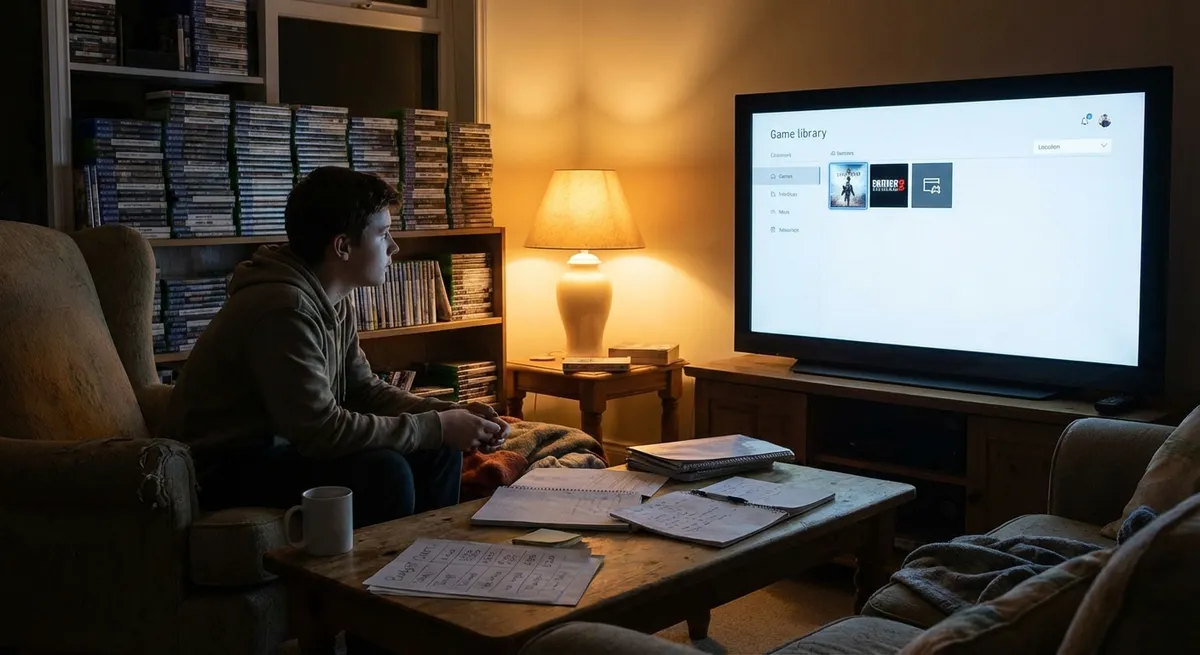
Before you buy a new release, check your existing library. Do you already own similar games you haven’t finished (or even started)? Try playing or at least sampling those first. This helps you discover what you actually enjoy and prevents buying clones of games you never complete.
3. Compare Editions Carefully (Standard vs. Deluxe vs. Ultimate)
Deluxe editions often include cosmetics, early access, or season passes. Ask:
- Will I really use this extra content?
- Is the season pass content confirmed and appealing, or just vague promises?
- Can I upgrade later if I truly love the game?
If you’re unsure, start with the standard edition. You can almost always add DLC later if the game becomes a favorite.
4. Favor Games With Good Consumer-Friendly Policies
Look for titles that:
- Offer free demos or trial weekends
- Have transparent monetization (no surprise paywalls or predatory loot boxes)
- Provide clear refund options on your platform (e.g., Steam’s 2‑hour/14‑day policy, or digital store refunds where available)
Choosing developers and publishers who treat players fairly is not only better for your wallet—it also supports better industry practices.
5. Time Your Purchases Around Sales and Bundles
Most major platforms and publishers run regular seasonal or themed sales. To save money:
- Note big sale periods (Summer, Winter, Black Friday, Lunar New Year, etc.)
- Use price‑tracking sites or browser extensions to monitor historical lows
- Consider reputable bundles (like Humble Bundle) if multiple games interest you, but avoid buying bundles just for a single title you might play
Waiting even a few weeks can turn a full‑price purchase into a significantly discounted one, especially for single‑player games that don’t rely on early competitive seasons.
Watch Out for Common Money Traps in Modern Games
Modern games often earn money beyond the initial purchase. That isn’t always bad—but you should recognize how it affects long-term costs.
Key areas to watch:
- Microtransactions and loot boxes: Cosmetic purchases are usually harmless if you set a clear budget. But randomized loot boxes and “limited-time” offers can encourage overspending. Consider turning off in‑game purchases for younger players and setting account limits.
- Battle passes and seasonal content: These can be good value if you play regularly. If you’re a casual or sporadic player, though, you may not unlock enough rewards to justify the cost.
- Early access and unfinished releases: Some early access games evolve beautifully; others stall or change direction. Only buy early access if you’re comfortable with potential instability and long waits—treat it as supporting development, not guaranteed final quality.
- Always-online requirements: Even for single‑player modes, some games require constant connection. This can affect playability if servers struggle or eventually shut down, reducing the game’s long-term value.
Reading community discussions and patch notes can help you see how a game’s economy and design affect real players over time. When in doubt, start with a small spend (or none, in free-to-play games) and reassess before committing more.
Conclusion
Smart game purchasing isn’t about never spending—it’s about spending intentionally. When you understand your own playstyle, research beyond trailers, and think in terms of real value (time, enjoyment, replayability), your library becomes a curated collection, not a digital junk drawer.
Use the 48‑hour wishlist rule, review your backlog, question premium editions, seek consumer-friendly policies, and time your buys around sales. Combined, these habits can stretch your budget further, reduce regret, and make each new game feel like a deliberate upgrade to your gaming life.
Sources
- Entertainment Software Association – 2024 Essential Facts About the Video Game Industry - Industry data on player habits, spending, and game preferences
- Federal Trade Commission – Video Game Loot Boxes: A Look at the Evidence - Overview of consumer protection issues around loot boxes and in‑game purchases
- Steam Refund Policy – Official Help Page - Details on digital refund rules that affect low‑risk game purchasing on PC
- Xbox Game Pass – Official Site - Example of subscription access to games, relevant when comparing buy‑to‑own vs. subscription value
- Humble Bundle – How Bundles Work - Explanation of game bundles and how they can affect purchasing decisions and savings
Key Takeaway
The most important thing to remember from this article is that this information can change how you think about Games.