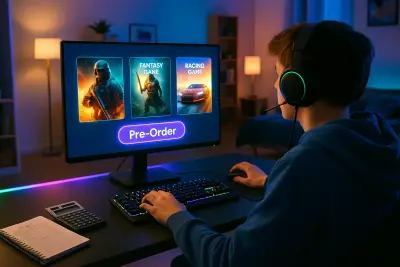

Video games are more popular than ever, but so are full-price releases, microtransactions, and endless sales that can drain your wallet without you noticing. Whether you play on console, PC, or mobile, it’s easy to overspend—or end up with games you barely touch. This guide will help you build a game library you actually enjoy, while protecting your budget and avoiding common purchasing traps.
Understand What You Really Want From a Game
Before you buy anything, get clear on what you actually enjoy playing. Many gamers purchase based on hype, only to discover the game doesn’t fit their play style or schedule.
Think about how you like to play: Do you prefer short, pick-up-and-play sessions or long story-driven experiences? Do you like competitive multiplayer, peaceful single-player games, or co-op with friends? Also consider how much time you realistically have—buying a 100-hour epic when you can only play 2 hours a week might not be the best value.
Look at your current library and identify patterns. Which games have you finished or keep returning to? Which ones did you drop after a few hours? Use that as a filter for new purchases: if a game doesn’t match the kind of experience you actually stick with, it’s a red flag. Your goal is to buy fewer games you abandon and more that you genuinely enjoy over the long term.
Compare Value, Not Just Price
A cheap game isn’t automatically a good deal, and an expensive one isn’t necessarily bad value. Focus on what you get for your money in terms of enjoyment, replayability, and long-term support.
Consider the “cost per hour” only as a rough guide, not a rule. A shorter game that gives you 10 unforgettable hours may be better value than a long, repetitive one you never finish. Also factor in things like ongoing updates, community activity, and whether there’s a strong modding scene (especially for PC games), which can extend a game’s life.
Look beyond the base price. Some games have major expansions, paid cosmetics, or season passes. Check whether you’re comfortable with the full ecosystem, not just the initial purchase. Sometimes a complete edition or game-of-the-year version that bundles DLC offers far more value than piecing things together over time at higher total cost.
Practical Tip #1: Always Research Beyond the Trailer
Trailers are marketing tools, not reviews. Before you hit “buy,” take a few minutes to research from multiple, independent sources.
Watch actual gameplay, not just cinematic footage. Look for videos that show unedited gameplay rather than highlight reels. Read several reviews from different outlets and check user impressions on trusted platforms, paying attention to patterns in feedback rather than one-off opinions.
Focus on information that matters to you: performance on your platform, difficulty level, content type (story, grind, endgame), and whether the game has intrusive monetization. If a game is online-only, check how stable the servers are and how active the player base seems. Five to ten minutes of research can save you from spending on something that doesn’t match your expectations.
Practical Tip #2: Use Wishlists and “Cool-Down” Periods
Impulse purchases are common in gaming, especially during big sales. A simple system can help you buy more deliberately: use a wishlist and a waiting period.
Whenever you’re tempted by a game, add it to a wishlist instead of buying immediately. Set a minimum “cool-down” period—24 to 72 hours is often enough. During that time, ask yourself: Will I actually play this in the next month? Does it offer something different from what I already own? If the excitement fades quickly, it was likely an impulse, not a real need or priority.
Wishlists also help you track price history and sales on your preferred platforms. Many storefronts notify you when items on your wishlist go on sale, letting you buy strategically instead of browsing randomly and grabbing whatever catches your eye in the moment.
Practical Tip #3: Weigh Subscriptions vs. Ownership
Game subscription services (like Xbox Game Pass, PlayStation Plus tiers, or EA Play) can offer excellent value, but only if they match how you play.
Look at the library before subscribing. Are there at least several games you genuinely want to play right now? Consider your time: if you only play a few hours a month, a subscription might not be worthwhile compared to buying a couple of games you’ll own permanently.
Remember that games can rotate out of subscription catalogs. If you care about owning particular titles forever or playing them offline many years later, outright purchases might make more sense. A balanced approach can work well: use subscriptions to sample and discover games, then buy the ones you truly love when they’re discounted or released in complete editions.
Practical Tip #4: Don’t Ignore Total Cost of “Free” and Live Service Games
Free-to-play and live service games can be fun and affordable—but they can also become some of the most expensive experiences if you’re not careful.
Before committing, understand the monetization model: Is it cosmetic only, or does spending affect gameplay and progression? Are there loot boxes, battle passes, or time-limited events that create pressure to spend? Decide in advance what you’re comfortable with, such as a monthly or total budget cap for in-game purchases.
Treat in-game currency like real money, because it is. Convert prices back to your local currency mentally before buying. If a skin or cosmetic item would feel expensive as a physical purchase, consider whether it truly adds enough enjoyment to justify the cost. You can also wait a week before purchasing cosmetic items; often, the urge passes once the novelty wears off.
Practical Tip #5: Shop Across Platforms, Regions, and Formats
Not all game prices are equal. You can often save money by being flexible about where and how you buy.
Compare prices across platforms (PC vs. console), digital storefronts, and physical retailers. On PC, authorized key resellers and publisher stores sometimes run deeper sales than major platforms. Physical copies for consoles may drop faster in price and can often be resold, traded, or shared, which effectively lowers your long-term cost.
Check for regional pricing differences if your platform allows it and it’s permitted by the terms of service. Also look at older or “last-gen” versions: some games offer free or low-cost upgrades, making it cheaper to buy the previous-gen version first. Just ensure you’re purchasing from reputable, authorized sources to avoid issues with invalid keys or account bans.
Build a Library That Matches Your Life, Not the Hype
Smart game buying isn’t about never spending—it’s about aligning your purchases with what you actually enjoy and how you really play. When you research beyond trailers, use wishlists and cool-down periods, think critically about subscriptions, monitor in-game spending, and compare prices across platforms, you’re far more likely to end up with a collection that feels rewarding instead of regretful.
As the gaming market evolves with more live services, subscriptions, and constant releases, informed purchasing becomes just as important as your in-game strategy. Treat your gaming budget like another resource to manage thoughtfully, and your library will grow into something you’re proud of, not overwhelmed by.
Sources
- Entertainment Software Association – 2024 Essential Facts About the Video Game Industry - Industry data on player habits, spending, and platform trends
- Consumer Financial Protection Bureau – Managing Your Money - General guidance on budgeting and avoiding impulse spending, useful for game purchases
- Federal Trade Commission – Video Game Microtransactions: Tips for Parents - Explains how in-game purchases work and how to control spending
- Pew Research Center – Video Games and Online Harassment - Context on online gaming environments that can influence what types of games you choose
- Microsoft – Xbox Game Pass FAQ - Official explanation of subscription features and how game catalogs change over time
Key Takeaway
The most important thing to remember from this article is that this information can change how you think about Games.