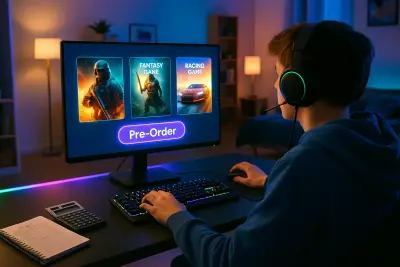
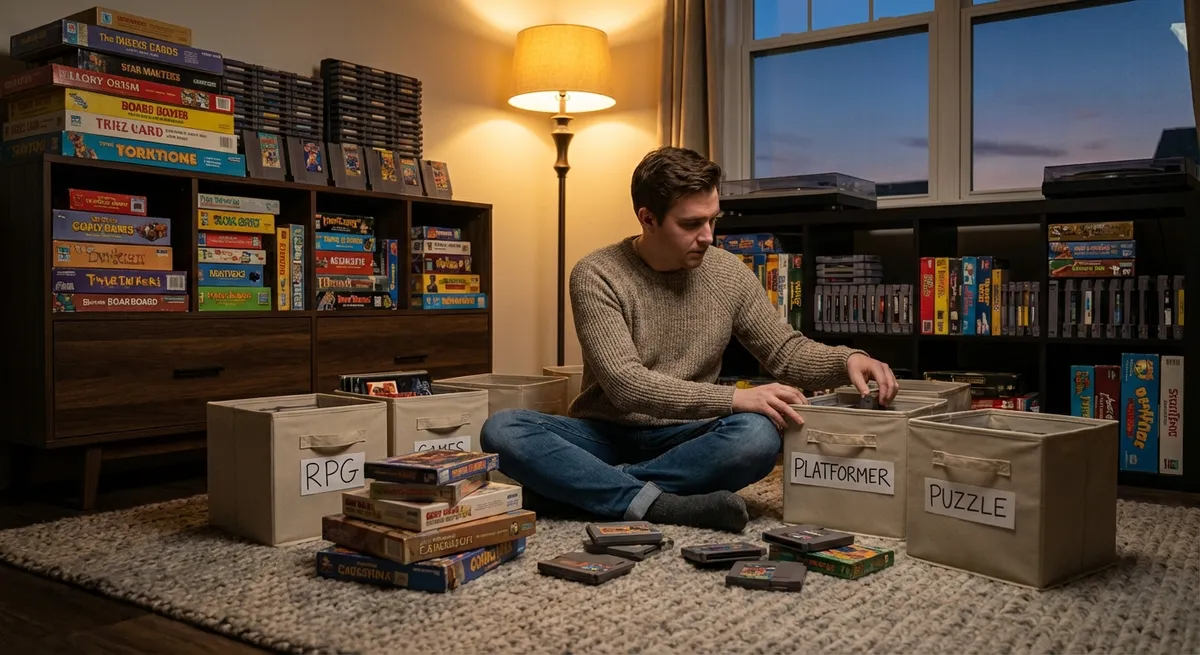
Buying games is supposed to be fun—until you look at your backlog, your bank account, and that full digital library of titles you played once and abandoned. With constant sales, microtransactions, and deluxe editions everywhere, it’s easy to overspend and underplay. This guide walks you through how to choose and buy games more intelligently, so your money goes into experiences you’ll genuinely enjoy, not just deals that “look too good to skip.”
Start With Your Play Style, Not the Hype
Before you buy another game, get clear on how you actually play—not how you wish you played.
Ask yourself: How many hours do you realistically game each week? Do you prefer short sessions or long weekend marathons? Do you mainly play solo, with friends online, or local co-op at home? Your honest answers should shape what you buy.
If you only have 2–3 hours a week, massive 100-hour open-world games may sound exciting, but they’re likely to become unfinished obligations. Instead, you might be better served by tighter story-driven games, roguelikes you can enjoy in short sessions, or multiplayer titles you can drop in and out of. On the other hand, if you love sinking hundreds of hours into a single world, big RPGs or ongoing live-service games might give you the best return on your investment.
Treat your time as a cost alongside the price tag. A “cheap” game you never touch is more expensive than a full-price title you play for months. When your purchases match your real habits, your library becomes a curated collection, not a cluttered storage folder.
Compare Platforms and Ecosystems Before You Commit
Where you buy matters almost as much as what you buy. Different platforms—PC (Steam, Epic, GOG), consoles (PlayStation, Xbox, Nintendo), and mobile—have their own ecosystems, sales patterns, and subscription options that affect the true value of each game.
On PC, storefronts like Steam often run deep seasonal sales, and some publishers use their own launchers. You might pay more upfront on one store but gain better refund policies, cloud saves, achievements, or community features. GOG, for example, focuses on DRM-free downloads, which can be appealing if you care about ownership and offline access. Consoles, by contrast, may have higher baseline prices but also offer strong subscription libraries like Game Pass or PlayStation Plus.
Exclusive titles and cross-platform play are also worth weighing. If your friends play a specific game on one ecosystem, buying it elsewhere can limit your multiplayer options. Consider whether the platform supports cross-play and cross-save if you expect to switch devices.
Smart buyers look beyond the sticker price: check whether the game is on a subscription service you already pay for, whether it frequently goes on sale, and whether the platform’s refund rules give you room to test and return if it’s not for you.
Look Past the Trailer: Research That Actually Helps
Trailers and flashy announcements are designed to sell you a feeling, not a full picture. Before you purchase, dig into information that reflects real gameplay and long-term enjoyment.
Reviews are useful, but read them with a purpose. User reviews can reveal performance issues, server problems, and hidden monetization. Professional reviews often give deeper insight into mechanics and pacing. Pay attention to consistent patterns: if multiple sources mention grindy progression, repetitive missions, or shallow endgame content, that’s a red flag—even if scores are decent.
Gameplay footage from streamers and YouTubers can show you what the game looks like after the tutorial, not just in scripted highlights. Watch unedited segments where people are just playing normally, not only sponsored content or heavily cut montages. Focus on gameplay loops: what are you actually doing minute to minute, and does that sound like fun to you?
Also, check on technical considerations: system requirements on PC, performance modes on consoles, and accessibility options if you need them. A visually impressive game that stutters on your hardware or lacks key accessibility features will not feel like a good purchase in practice.
Five Practical Tips for Smart Game Purchasing
Use a 48-Hour Cooldown on Impulse Buys
When you see a sale or a newly announced title you “must” have, add it to a wishlist and wait at least two days. If you still want it after the hype settles—and you know when you’ll play it—then consider buying. This simple delay filters out many regret purchases.
Calculate a Personal “Value per Hour” Benchmark
You don’t need a strict formula, but a rough benchmark helps. For example, you might decide that if you expect at least 10 hours of enjoyment from a $30 game, that feels fair for you. Narrative games with shorter but high-impact experiences might justify a higher cost per hour, while multiplayer grinds or live-service games should ideally offer much more playtime for similar prices.
Prefer Complete Editions Over Piecemeal DLC (When Possible)
Many games sell base versions, “deluxe” editions, and separate expansion passes. Often, waiting for a “complete” or “definitive” edition gives you all story content and major DLC at a lower bundled cost, especially for single-player titles. The trade-off is time: you’ll play later, but usually at a better value and with a more polished experience.
Leverage Subscriptions to Test Before You Buy
Services like Xbox Game Pass, PlayStation Plus Extra, EA Play, and others let you sample a wide range of games for a fixed fee. Use them as a test bed: try a game for a few hours to see if it clicks, then decide if it’s worth buying permanently (if it’s leaving the service) or just playing via subscription. This can dramatically cut down on full-price mistakes.
Set a Monthly Gaming Budget and Stick to It
Decide in advance how much you’ll spend each month on games, including microtransactions, cosmetics, and DLC. Treat that budget like a hard cap. When you hit it, any “great deals” go on your wishlist for next month. This structure turns purchases into conscious choices instead of reactive impulses driven by sales timers and fear of missing out.
Understand Microtransactions and Long-Term Costs
The initial price of a game is only part of the story, especially for free-to-play and live-service titles. Cosmetics, battle passes, loot boxes, expansions, and convenience items (like XP boosts) can add up quickly if you’re not careful.
Before committing to a game that relies heavily on ongoing monetization, investigate how aggressive or fair the system is. Does the game sell only cosmetic items, or are there “pay-to-win” advantages? Are battle passes time-limited, encouraging you to play more than you’d like just to “get your money’s worth”? Some players enjoy seasonal passes and optional skins; others find them subtly pushy.
Look for games where the free experience feels complete and satisfying, with purchases genuinely optional. If you’re someone who regularly buys cosmetics or passes, factor that into your evaluation: what looks like a “free” game might realistically become your most expensive hobby over a year.
Set ground rules for yourself: maybe you allow one battle pass per season across all games, or you avoid randomized loot boxes altogether. Clear boundaries keep “small” purchases from quietly eroding your budget.
When to Buy New, When to Wait
Timing can be as important as choice. Launch prices are almost always the highest, and some games drop significantly in cost within months. However, buying early can make sense in specific cases: highly anticipated multiplayer titles where you want to be part of the early community, or story-driven games where you’re avoiding spoilers.
Consider the trade-offs. Buying at launch may mean dealing with bugs, balancing issues, and server problems that get fixed later. Waiting even a few weeks often nets you performance patches, early content updates, and sometimes discounts. For single-player games, there is rarely a functional downside to patience.
Keep an eye on predictable sales periods: platform-wide seasonal events (like summer or holiday sales), publisher-specific promotions, and anniversary events often bring the deepest discounts. Adding games to your wishlist and enabling sale notifications lets you benefit from these cycles without constantly checking prices.
In short, pay full price when you genuinely value early access and stable demand is likely, not just because the release date arrived.
Conclusion
Smart game buying is less about chasing the lowest price and more about aligning your purchases with how you actually play, what you genuinely enjoy, and how much you’re realistically willing to spend over time. By understanding your play style, comparing platforms, researching beyond trailers, and applying a few practical rules, you can build a game library that feels curated instead of cluttered.
The goal isn’t to buy fewer games—it’s to buy better games for you. When every purchase is more deliberate, you end up with experiences you finish, memories that last, and money left over for the next title that truly deserves a spot in your collection.
Sources
- Entertainment Software Association – 2023 Essential Facts About the Video Game Industry – Industry data on player habits, spending, and platform trends
- Federal Trade Commission – Video Game Loot Boxes: A Guide for Parents – Clear explanation of loot boxes, microtransactions, and related consumer concerns
- Steam Refund Policy – Official Valve Support Page – Details on how refunds work on Steam, useful for testing games with lower risk
- Xbox Game Pass – Official Microsoft Page – Overview of subscription options and included games, relevant for evaluating subscription-based value
- PlayStation Plus – Official Sony Interactive Entertainment Page – Information on tiers, game libraries, and benefits to help compare buying versus subscribing
Key Takeaway
The most important thing to remember from this article is that following these steps can lead to great results.