The games industry moves fast, and it’s easy to spend a lot of money without feeling like you’re getting real value. Between flashy trailers, pre-orders, deluxe editions, battle passes, and microtransactions, knowing what’s actually worth your money can feel overwhelming. This guide breaks down how to approach games as a savvy buyer—whether you’re into PC, console, or mobile—so you end up with experiences you love instead of a backlog of regret.
Understanding the Real Cost of a Game
A game’s sticker price is only part of what you’re paying for. Many titles now use a “live service” model, where the initial purchase is followed by cosmetic items, expansions, or season passes. On mobile, the base game might be free, but in-app purchases can add up quickly if you’re not careful.
Before you buy, think in terms of “cost per hour of enjoyment,” not just initial price. A $60 game that you deeply enjoy for 80 hours is a better investment than a $20 one you drop after an afternoon. Also factor in whether the game is likely to add paid expansions or battle passes, and whether those systems appeal to you or feel like pressure to keep spending. Reading what players say about monetization practices (fair, grindy, pay-to-win, cosmetic-only) will give you a sense of the long-term cost. Over time, this mindset helps you distinguish between games that are worth a higher up-front price and those that are better to wait on until a sale or subscription deal.
Evaluating Game Hype vs. Actual Experience
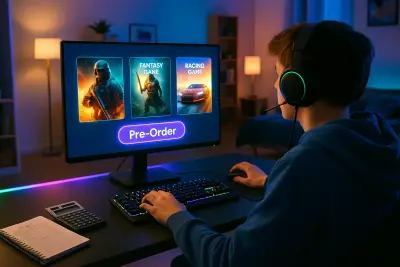
Marketing pushes pre-orders, cinematic trailers, and influencer campaigns, but none of that tells you how a game feels to play. As a consumer, your goal is not to be first—it’s to be satisfied. Waiting a few days or weeks after launch can save you from buggy releases, shallow content, or mechanics that don’t match the promises.
Look beyond trailers and sponsorships to hands-on impressions, gameplay streams, and post-launch reviews. User reviews can reveal performance issues, grindy systems, or repetitive design that professional previews might gloss over. Pay attention to patterns, not individual outliers: if many players mention poor optimization on your platform, that’s a red flag. Also consider whether you actually like the genre and style, not just the brand or franchise. Ignoring hype and focusing on fit—your tastes, your time, your hardware—will lead to purchases you actually use.
Matching Games to Your Lifestyle and Hardware
The “best” game isn’t universal—it’s what fits your schedule, preferences, and devices. Some games are designed for quick, 10-minute sessions; others shine only if you can invest multi-hour stretches. If you have limited time, sprawling open-world or hardcore competitive games may leave you feeling behind or stressed instead of entertained.
Check recommended system requirements or console performance before buying, especially for PC. A game that runs poorly on your hardware can feel like a waste, no matter how well-reviewed it is. Consider whether you want single-player narratives, co-op experiences with friends, or competitive play that demands consistent practice. Think about your tolerance for complexity: deep strategy titles can be rewarding, but they demand learning and focus. When you align purchases with the way you actually play, you reduce the risk of buying games that sound great in theory but don’t fit your real life.
Five Practical Tips for Smart Game Purchasing
1. Wait for Post-Launch Patches and Price Drops
Many major releases launch with bugs or missing features that are fixed in the first few weeks or months. Waiting even a short time often gets you a more stable game and a discount during early sales. This is especially true on PC platforms and digital storefronts with frequent promotions. Unless early access is truly important to you, delay your purchase and benefit from patches, community feedback, and sometimes bundled DLC at a lower cost.
2. Use Subscriptions and Free Trials Strategically
Game subscription services (like Xbox Game Pass, PlayStation Plus, or EA Play) can be excellent for trying lots of titles without buying each one outright. They’re especially good if you’re exploring genres or catching up on older catalog games. Before subscribing, scan the library and make a short list of games you realistically want to play in the next 1–3 months. If you don’t see at least a few “must-try” titles, it might be cheaper to wait. Also watch for free trial weekends or limited demos; they’re one of the best ways to test gameplay and performance on your hardware before spending more.
3. Compare Editions and Avoid Unnecessary Extras
Many big releases offer standard, deluxe, and “ultimate” editions with cosmetic items, boosters, or early access. Look closely at what each tier actually includes. Story expansions or substantial DLC might justify a higher tier, but temporary boosts, cosmetic skins, or digital trinkets often don’t. If you’re unsure, start with the standard edition; you can usually upgrade later if you find yourself genuinely invested. This approach avoids paying upfront for content you may never use.
4. Set a Monthly or Per-Game Budget
It’s easy to overspend on discounts, “limited-time offers,” or small microtransactions that add up. Decide in advance what you’re comfortable spending on games each month—or per quarter—and track it. For mobile games and live-service titles, consider turning off in-app purchases by default or using platform-level spending limits. When you treat game purchases like any other budget category, you’ll be more selective and focused on value, not impulse.
5. Prioritize Games with Strong Long-Term Support
A game that receives regular updates, bug fixes, balance patches, and community support tends to hold its value longer. Before buying, check developer track records: do they support their titles post-launch, respond to player feedback, and fix issues? Games with active communities (forums, Discord, guides) often offer richer experiences over time—co-op groups, modding support on PC, or curated challenges. Choosing games with good longevity and support means you’re investing in something that will keep delivering enjoyment instead of becoming quickly abandoned.
Navigating In-Game Purchases and Microtransactions
Microtransactions can be harmless or deeply problematic, depending on design. Cosmetic-only purchases (skins, emotes, visual customization) are generally less risky from a value standpoint than items that grant power or progress advantages. However, even cosmetics can push you into spending more than intended if they’re tied to limited-time offers, fear of missing out (FOMO), or randomized loot boxes.
Before spending inside a game, ask whether the purchase actually enhances your enjoyment or just eliminates a minor inconvenience. Be especially wary of systems that blur real and virtual currency, making it harder to track what you’re spending. Many services and platforms provide tools to monitor and limit in-app spending; use them, particularly if children also play on your devices or accounts. Clear boundaries around in-game purchases help keep gaming fun instead of financially stressful.
Using Community Knowledge to Your Advantage
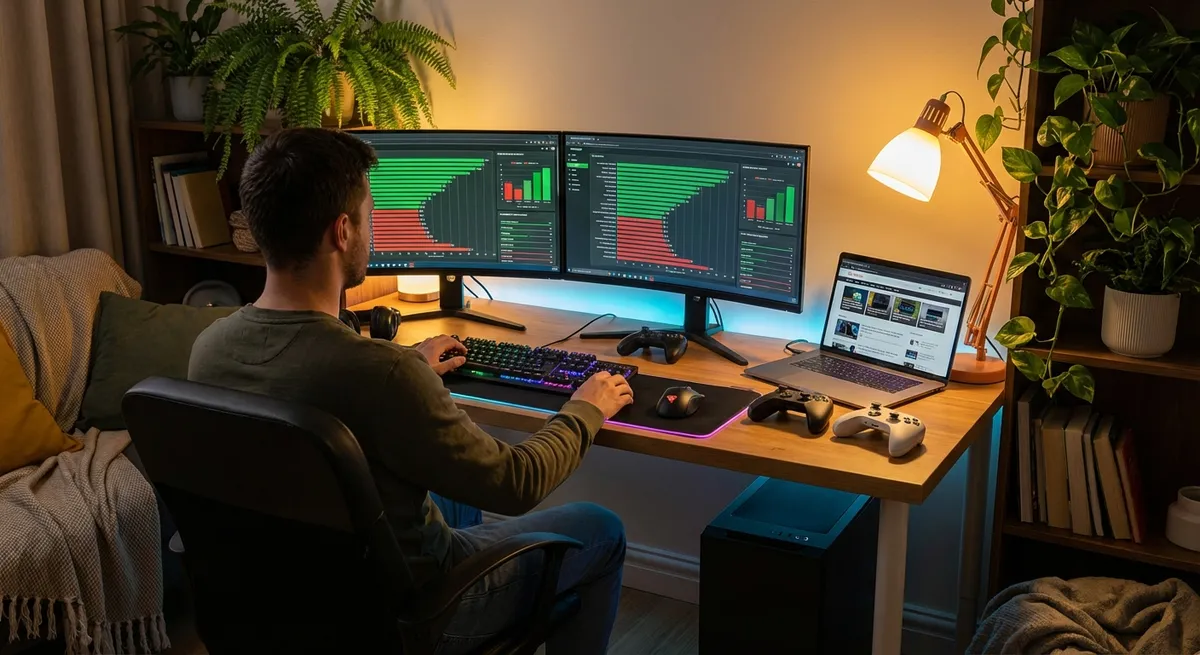
The gaming community is one of your best resources as a buyer. Players quickly identify bugs, balance problems, unfair monetization, and hidden gems that marketing campaigns ignore. Independent reviewers, forums, subreddits, and Discord servers can give you candid, detailed perspectives that help you see beyond hype.
When researching, look for consensus trends: if many players across different platforms say a game crashes frequently or feels unfinished, that’s a reliable warning sign. Conversely, if a smaller-budget game consistently earns praise for depth, replayability, or fair pricing, it may be a great value pick. Just remember that community opinions are varied and sometimes polarized; focus on reviews from people who enjoy similar genres or styles to you. Aligning with the right voices helps you find games that truly match your tastes.
Conclusion
Smart game buying isn’t about spending the least—it’s about getting the most enjoyment, flexibility, and value from what you do spend. When you look beyond hype, consider total cost and long-term support, and align purchases with your lifestyle and hardware, you’ll build a library you actually use instead of one that just looks impressive on a digital shelf. Combine careful research with simple habits like waiting for patches, using subscriptions strategically, and budgeting for extras, and gaming stays what it should be: a fun, rewarding part of your life, not a drain on your wallet.
Sources
- Entertainment Software Association – 2023 Essential Facts About the Video Game Industry - Industry statistics on player habits, spending patterns, and platform usage
- Federal Trade Commission – Video Game Microtransactions & Loot Boxes - Guidance on microtransactions, loot boxes, and consumer protection concerns
- Xbox Game Pass Official Site - Example of a major game subscription service and how its model works
- PlayStation Plus Official Site - Details on subscription tiers, included games, and benefits for console players
- Harvard Business Review – The Psychology Behind Video Game Microtransactions - Explores behavioral and economic factors that influence in-game spending
Key Takeaway
The most important thing to remember from this article is that this information can change how you think about Games.