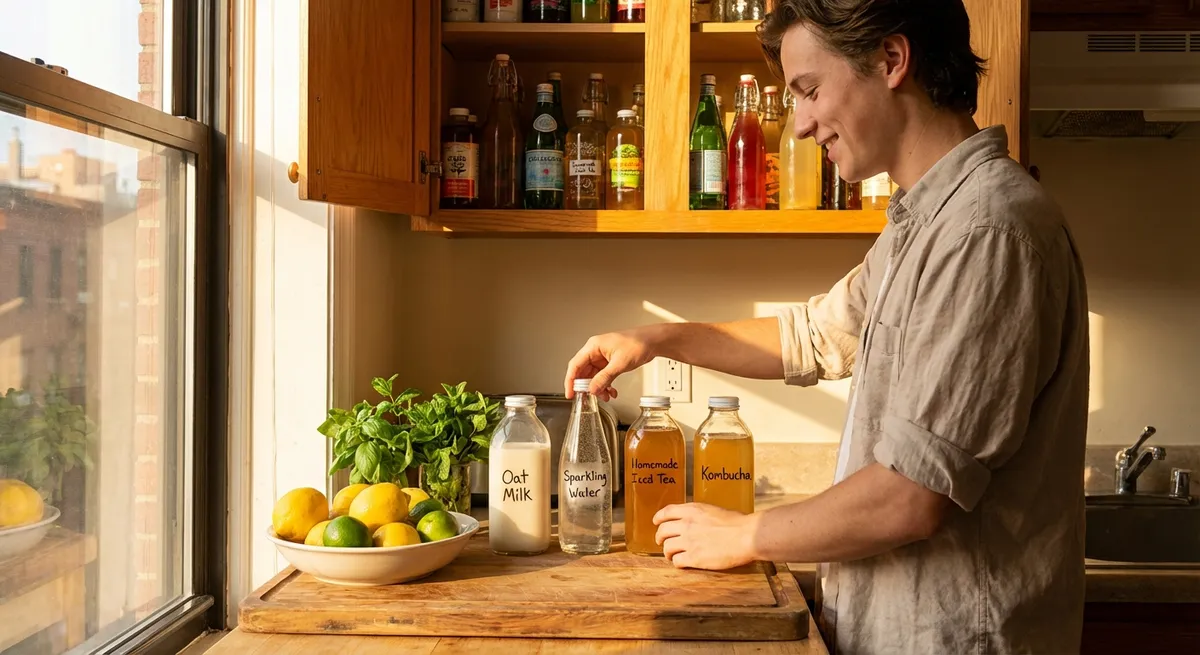
Beverages can quietly eat up a huge part of your food budget—especially if you love coffee runs, sparkling water, or specialty juices. The good news: with a bit of strategy, you can build a drink lineup at home that feels like an upgrade, not a downgrade. This guide walks through how to choose better-for-you beverages, avoid common marketing traps, and get more value from every bottle, bag, or can you buy—without sacrificing the fun of what you drink.
Start with Your “Daily Drinks Map”
Before you change what you buy, get clear on what you actually drink in a normal week. Most people underestimate how much money—and sugar—is hiding in their glasses and cups.
Spend a few days noting each drink: what it is, where you bought it (home, café, vending machine), approximate cost, and whether it actually satisfied you. Include everything: morning coffee, soda with lunch, energy drinks, evening wine, flavored waters. Once you have this “drinks map,” look for patterns: are there “default” buys you don’t even enjoy much, like a soda you grab out of habit? Are some drinks clearly worth the money because they replace a snack, give you energy, or feel like a treat you truly look forward to?
Use those patterns to sort your beverages into three loose buckets: essentials (hydration, everyday coffee/tea, milk), upgrades (drinks you really enjoy but don’t need daily), and “autopilot extras” (things you grab without thinking). The goal isn’t to cut everything fun; it’s to reallocate money from autopilot extras into essentials and deliberate upgrades that genuinely improve your day.
Decode Drink Labels Without Getting Tricked
Smart drink buying starts with understanding what’s actually in the bottle. Packaging often leans on buzzwords like “natural,” “immune-supporting,” or “light,” but the nutrition label tells the real story.
Focus on a few key items: serving size, added sugars, calories, and caffeine for energy drinks and coffees. Many bottled beverages list a serving as half the container—if you drink the whole thing, double the numbers. For juices and “juice drinks,” check how much is real juice versus sweetened water, and look at “Added Sugars” separately from naturally occurring sugars. With plant-based milks and flavored coffees, scan for added sugar and sodium; unsweetened versions often taste just fine after a short adjustment period.
Ingredients lists are ordered by quantity, so if sugar (or its cousins like high-fructose corn syrup, cane syrup, maltose) shows up near the top, know you’re mainly paying for sweetened water. Health-positioned drinks with vitamins or herbal extracts can still be high in sugar. When comparing two options—say, flavored sparkling water vs. soda—use the label to ensure the “healthier” choice actually has fewer calories and less sugar, not just greener branding.
Balance Convenience and Cost: Brew, Mix, or Buy Ready-Made?
Most drinks fall on a spectrum from “fully homemade” to “fully prepared.” In general, the more you’re paying for convenience and packaging, the higher the cost per serving—but that doesn’t mean you must brew everything yourself.
Look at your highest-cost habits first. If you’re buying coffee from a café most days, calculate how much you’re spending per week and per month. Then compare that to brewing at home with a decent grinder and beans you like, or making cold brew in batches. Often, a small investment in equipment pays for itself quickly if it replaces just a few out-of-home drinks each week. The same idea applies to tea: buying bulk loose-leaf or larger boxes can dramatically drop the cost per cup without sacrificing taste.
For flavored drinks like iced tea, lemonade, or sports drinks, consider concentrated forms (tea bags, powdered mixes with acceptable ingredient lists, or liquid concentrates) rather than single-serve bottles. You still get convenience—especially if you pre-mix a pitcher—and the cost per serving is usually far lower. Reserve truly ready-to-drink bottles and cans for situations where convenience genuinely matters, like travel, long commutes, or events, instead of relying on them as your everyday default.
Plan Your Fridge Around Multi-Use Staples
A smartly stocked beverage lineup does double duty: it keeps you hydrated and supports your cooking, hosting, and health goals without constant last-minute runs to the store.
Start with foundational items: plain water (tap, filtered, or low-cost bottled if needed), a staple milk or milk alternative, and a “house coffee” or tea you reliably enjoy. Then add versatile extras that can play multiple roles. For example, 100% citrus juice (like orange or grapefruit) can be used for breakfast, in marinades, and in simple mocktails. Unsweetened sparkling water can serve as a soda substitute, mixer, or base for homemade flavored drinks with a splash of juice or a few frozen berries. Shelf-stable items like long-life milk alternatives, broth concentrates, and tea bags broaden your options without crowding your fridge.
When considering pricier beverages—like kombucha, cold-pressed juices, or specialty sodas—ask whether they serve a distinct purpose: do they help you drink less alcohol? Replace a dessert? Soothe your digestion? If the answer is yes and you truly enjoy them, buy in moderation and store them where you’ll see them but not gulp them mindlessly. Build a small “treat zone” in your fridge or pantry so you can enjoy premium drinks intentionally, not automatically.
Five Practical Tips for Smart Drink Purchasing
Here are five concrete ways to make better beverage decisions without feeling deprived:
Pre-Commit a Drink Budget by Category
Decide roughly how much each week you’re comfortable spending on everyday essentials (coffee, tea, milk, basic hydration) versus “special” drinks (sodas, juices, energy drinks, alcohol). This stops impulse buys from quietly crowding out the essentials you actually rely on.
Use Unit Pricing to Spot Real Value
When comparing options, check price per ounce or liter on the shelf tag. Large bottles are often cheaper per unit than multipacks of small bottles, but not always—promotions can flip the math. Use unit pricing to decide whether bulk makes sense or if you’re just paying more for packaging and branding.
Shift Treats from Outside to Home
If you enjoy café drinks, bubble tea, or bottled smoothies, aim to recreate one or two favorites at home. Buying quality syrups, teas, or frozen fruit can let you make similar drinks for a fraction of the cost, while still keeping the “experience” of a treat.
Set a Personal Caffeine and Sugar Guardrail
Decide on a daily limit for caffeinated and sugary drinks that fits your health goals—then buy accordingly. If you want to cut back on soda, don’t stock your fridge with multi-packs “for guests” if you know you’ll drink them. Instead, keep a go-to alternative on hand that satisfies the craving (e.g., flavored seltzer or iced tea with minimal sugar).
Plan for Hydration in Your Routine Hotspots
Identify when you’re most likely to grab a drink on the go: commuting, during workouts, at your desk. Pre-position reusable water bottles, insulated tumblers, or a small stash of at-home prepared drinks in those places. The more frictionless it is to drink what you’ve already bought and prepared, the less likely you are to pay a premium for last-minute convenience.
Conclusion
Being a smarter beverage buyer isn’t about cutting out all your favorite drinks; it’s about making sure what you do buy genuinely earns its place in your budget and your routine. When you know your habits, read labels with a clear eye, and balance convenience with cost, you can design a drinks lineup that feels both enjoyable and efficient. Over time, those small choices—brewing a bit more at home, upgrading a few key staples, skipping a couple of autopilot buys—add up to a kitchen that supports your health, your wallet, and the way you actually live.
Sources
- Centers for Disease Control and Prevention – Rethink Your Drink - Overview of how different beverages impact calorie and sugar intake, with practical tips for healthier choices
- Harvard T.H. Chan School of Public Health – The Nutrition Source: Sugary Drinks - Evidence-based summary of the health effects of sugar-sweetened beverages
- U.S. Food and Drug Administration – How to Understand and Use the Nutrition Facts Label - Official guidance on reading labels, including serving sizes and added sugars
- Mayo Clinic – Caffeine Content for Coffee, Tea, Soda and More - Reference for caffeine levels in common beverages and considerations for safe intake
- U.S. Department of Agriculture – FoodData Central - Comprehensive database of nutritional information for beverages and other foods
Key Takeaway
The most important thing to remember from this article is that following these steps can lead to great results.