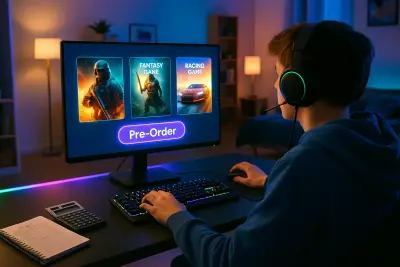
Game subscriptions have quietly reshaped how players access and pay for games. Instead of buying one title at a time, you can unlock large libraries on consoles, PC, and even phones—for a recurring fee. That can be a huge win for your wallet, or a slow, sneaky drain if you’re not careful. This guide breaks down how to treat game subscriptions like any other serious purchase: with a clear plan, a sharp eye on value, and a focus on your actual play habits.
Understanding the Game Subscription Landscape
Behind every flashy “play hundreds of games for one low price” banner is a specific business model that affects what you get and how long you keep it. Most services fall into a few patterns: all‑you‑can‑play libraries (like console/PC passes), cloud gaming platforms that stream games over the internet, and “game vaults” bundled with hardware, devices, or other services.
Each model has trade‑offs. Library passes are great for variety but rotate games in and out, so that title you’re halfway through may not always be there. Cloud gaming can save you from buying powerful hardware, but it depends heavily on a stable, fast internet connection and may introduce lag. Bundled vaults can feel “free,” but they’re baked into the price of the device or carrier plan you’re paying for.
Understanding these structures matters because they determine what you truly own (often nothing), how quickly you can lose access, and how easily your monthly cost can creep up across multiple overlapping services. Before you subscribe to anything, it’s worth treating each one less like a toy and more like a long‑term contract for your leisure time.
Matching Subscriptions to Your Play Style
The best subscription for you isn’t the one with the biggest game list; it’s the one that fits how and when you actually play. If you mostly play a few big single‑player games per year and like to finish them at your own pace, it might still be cheaper—and less stressful—to buy specific titles outright, especially when they go on sale. For players who sample lots of genres, or families with multiple people sharing one device, a broad subscription can make more sense.
Think about your time budget. A service with 300 games doesn’t add value if you only have a few hours a week. In that case, picking one subscription with a strong selection of must‑play titles in your favorite genre (RPGs, strategy, family co‑op, etc.) will usually beat stacking multiple passes “just in case.” Consider where you play most: couch console sessions, PC gaming desk, laptop on the go, or mobile. Cross‑platform access is a bonus, but only if you’ll truly use it.
Finally, ask yourself how sensitive you are to game removal. If you hate the idea of a game disappearing mid‑playthrough, check whether the service clearly lists when titles are leaving and whether it offers discounts to buy games that exit the library. Aligning your expectations and habits with how the service actually works is the difference between feeling empowered and feeling nickel‑and‑dimed.
Reading the Fine Print Without Getting Overwhelmed
Game subscription pages are designed to highlight headline games, bright artwork, and limited‑time offers—not the practical details. But those details decide whether your purchase is smart. Before committing, look for three key areas: the content rotation policy (how often games come and go), renewal terms (when and how your plan renews), and device or region limitations.
Rotation policies tell you whether this is more like a streaming service with a changing catalog or a relatively stable library. Some companies announce departures monthly; others are vague. If you find yourself rushing to finish games before they leave, that stress is a real cost. Renewal terms matter just as much: check if there’s an annual vs. monthly option, whether there’s a free trial that auto‑converts, and how easy it is to cancel. Screens buried two menus deep are a warning sign.
Device and region limitations can surprise you if you travel, share accounts with family, or own multiple platforms. Some services only work in certain countries, some restrict simultaneous streams, and some separate cloud streaming from local downloads. Spending a few minutes on the official FAQ or support pages before you subscribe can prevent paying for something you can’t fully use.
Five Practical Tips for Smart Game Subscription Purchases
Even with a crowded market, you can turn game subscriptions into one of the most efficient ways to play—if you apply a few disciplined habits before you click “Subscribe.”
1. Set a Monthly “Gaming Services” Budget, Not Per‑Service
Instead of deciding “Is this one subscription worth it?”, set a total monthly cap for all gaming services combined. Treat it like a category in your budget (similar to streaming TV or dining out). Once you have that number, every new subscription forces a trade‑off: to add one, you must cancel or downgrade something else.
This prevents “subscription creep,” where you intend to test a service for one month and end up juggling three different libraries you barely touch. Review your recent bank or app store statements to see what you’re already paying. Then decide: which gaming services are non‑negotiable, and which are experiments that should be paused unless you’re actively using them this month?
2. Time Your Subscriptions Around Your Backlog and Releases
Instead of staying subscribed all year, think in “seasons.” When a cluster of games you care about arrives on a service—a new big release, a batch of indies you’ve been watching, or a highly reviewed older title—activate a subscription for a focused window, like one to three months. Spend that time really playing those games, then cancel when you’re done.
Between big releases, rotate to a different subscription that covers another part of your backlog, or pause paid services entirely and finish games you already own. This rotation strategy can drastically reduce your annual spend without reducing your total playtime. You stay in control, rather than letting automatic renewals decide your costs.
3. Compare “Buy vs. Subscribe” for Specific Games
When there’s a particular game you want, don’t assume the subscription is always cheaper just because the up‑front cost is lower. Do a quick comparison: what’s the current sale price to own the game versus the subscription price for the time you realistically need to finish it?
If a game is long and you tend to play slowly, a subscription might end up costing more over several months than buying the game once, especially during seasonal sales. On the other hand, if you often bounce off games after a few hours, having them in a subscription library can save you from regretting full‑price purchases. Think in terms of “cost per completed game” (or at least “cost per serious attempt”) rather than the shiny size of the catalog.
4. Watch Family Sharing, Profiles, and Parental Controls
Households often get the best value from game subscriptions—but only if you set them up thoughtfully. Check how many devices or profiles can access the library at once, and whether your chosen platform allows proper family accounts. In some ecosystems, a single primary account can share a subscription across multiple profiles on the same console, while others require separate purchases.
If children are involved, explore parental controls before you subscribe. Make sure you can limit purchases (to avoid surprise add‑ons), restrict age‑inappropriate games, and monitor screen time if that’s important to you. That up‑front setup helps you get the most out of a subscription without constant arguments or accidental spending, turning it into a predictable, shared family cost rather than a monthly headache.
5. Regularly Audit What You Actually Play
Every two or three months, look back at your play history: which games did you launch, and where did they come from (subscription A, subscription B, or games you own)? Many platforms track recent activity; if not, you can simply list the last few games you’ve finished or sunk serious time into.
If you discover that most of your hours are in one or two live‑service games you own outright—and barely anything from your subscriptions—that’s a strong signal to cancel or downgrade. On the other hand, if you’re finishing multiple subscription titles each month, your cost per game might be excellent and worth maintaining. The key is to base your decisions on real usage, not on fear of missing out on games you might one day play.
Spotting Hidden Costs and Extra Value
Beyond the headline price, game subscriptions can hide both extra costs and unexpected benefits. Hidden costs might include needing a faster internet plan for smooth cloud gaming, storage upgrades for large downloads, or additional controllers and accessories to fully enjoy included multiplayer titles. If your subscription subtly pushes you into upgrading hardware or infrastructure, that needs to be part of your cost calculation.
On the value side, many gaming subscriptions now bundle perks: in‑game cosmetics, monthly currency, discounts on DLC or full game purchases, and even non‑gaming bonuses like music or video streaming. These extras can be worthwhile if they replace something you’d pay for anyway. But they’re only real value if they align with your actual habits; a pile of unused skins or trial offers doesn’t justify a subscription by itself.
To stay ahead, read the perks section carefully and decide which ones you’ll actively use this month. Treat them as a bonus, not the main reason to subscribe. When in doubt, prioritize clear, predictable value—steady access to games you genuinely want to play—over a noisy stack of “limited‑time” add‑ons.
Conclusion
Game subscriptions can be one of the smartest ways to enjoy games—if you treat them like any recurring financial commitment instead of an impulse click. By matching services to your play style, budgeting by category instead of by brand, timing your subscriptions around what you’ll actually play, and auditing your usage regularly, you can enjoy huge game libraries without letting your costs quietly spiral.
The goal isn’t to subscribe to everything; it’s to subscribe intentionally. When you make each service earn its place in your budget, you stay in control of both your money and your gaming time, turning game subscriptions from potential money pits into powerful tools for affordable, varied play.
Sources
- Federal Trade Commission – What To Know About Subscription Services – Guidance on avoiding unwanted renewals and managing subscription traps
- Pew Research Center – Gaming and Gamers – Data and insights on who plays games and how, useful for understanding play habits
- Microsoft – Xbox Game Pass Official Site – Example of a major game subscription’s features, rotation notes, and pricing structure
- Sony – PlayStation Plus Plans – Official overview of tiered benefits, cloud options, and catalog access to compare subscription models
- Harvard Business Review – The Dark Side of Subscriptions – Explains how subscription models affect consumer spending and behavior
Key Takeaway
The most important thing to remember from this article is that this information can change how you think about Games.