If you play sports—even casually—it’s easy to spend a lot of money on gear that doesn’t actually help you play better or enjoy the game more. From shiny new shoes to “pro-level” accessories, the options (and marketing hype) can be overwhelming. This guide breaks down how to think like a smart sports consumer so your purchases fit your game, your body, and your budget—not just the latest trend.
Below, you’ll find five practical tips to make better sports-buying decisions, whether you’re gearing up for pickup basketball, weekend running, recreational soccer, tennis, or gym training.
Start With Your Actual Body, Not the Brand Hype
Before you even look at logos or colorways, your first job is to understand your own body and how you move. The right gear is less about “best overall” and more about “best for me.”
Feet are a classic example. Runners and court athletes often buy based on style, but factors like arch type, pronation (how your foot rolls), and injury history matter more. Many specialty running stores offer basic gait analysis and foot assessments that can help you choose shoe types that reduce discomfort and injury risk. Even if you end up buying online, use those in-person assessments as your reference point.
Think about your joints as well. If you’ve had knee or ankle issues, you may benefit from footwear with more stability or cushioning, or from sport-specific braces approved by sports medicine professionals. This doesn’t mean buying the most expensive “supportive” gear—it means matching product features to actual needs.
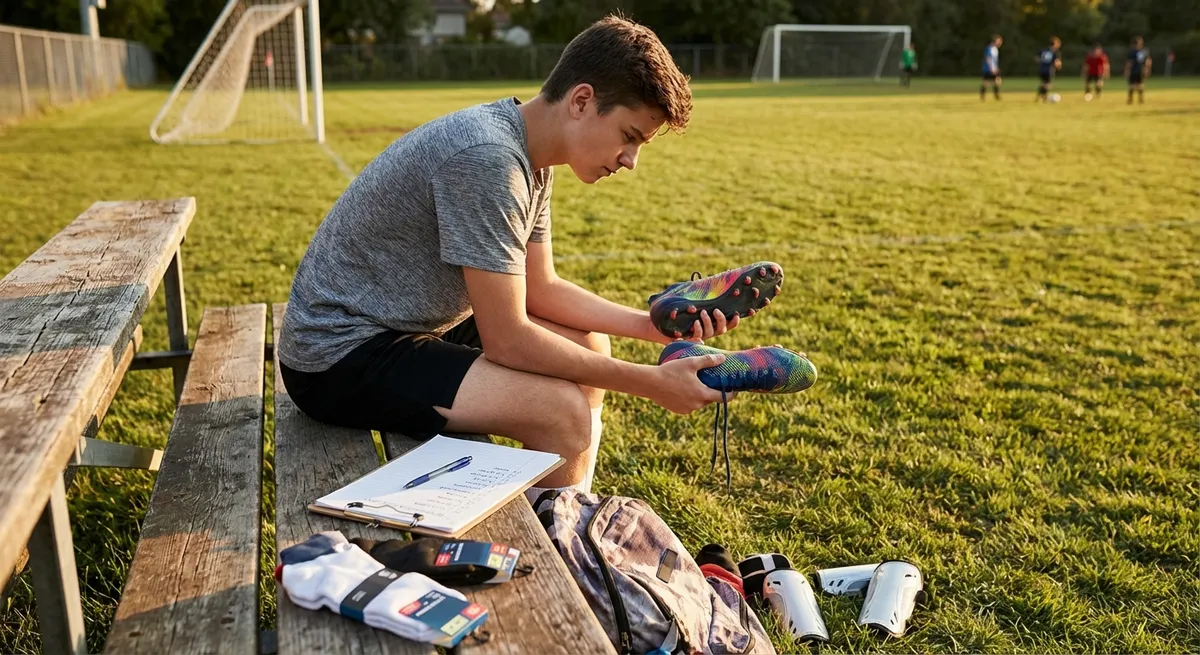
Practical move: Before buying anything big (like shoes or a racket), write down three things:
- Your current level (beginner, returning after a break, regular player)
- Any pain, injuries, or discomfort you’re dealing with
- Where you’ll use the gear most (indoor court, outdoor field, treadmill, track, street)
Use that list as a filter when you evaluate product descriptions and reviews.
Prioritize Performance Features Over “Pro-Level” Marketing
Sports gear is famous for buzzwords: “elite,” “pro,” “tour,” “carbon,” “responsive,” “control,” “explosive.” While some labels point to real differences, many are marketing shorthand that doesn’t translate into meaningful benefits for recreational athletes.
Instead of focusing on tiers (“pro” versus “club”), look at specific performance features and how they line up with your sport:
- Footwear: For running, check cushioning level, heel-to-toe drop, and weight. For court or field sports, look at traction pattern, lateral support, and stability.
- Rackets, bats, or sticks: Consider weight, balance, head size (for rackets), and stiffness. Beginners often do better with slightly more forgiving, larger sweet-spot options rather than the stiff, demanding models pros use.
- Apparel: Moisture-wicking fabrics and good fit matter more than flashy design. Avoid anything that restricts range of motion in shoulders, hips, or knees.
- Protective gear: Look for safety standards (like NOCSAE or ASTM certifications for helmets and protective equipment) instead of just brand reputation.
Ask yourself three questions for every “premium” or “pro” item:
Does this feature solve a real problem I have, or just promise a feeling?
Will I actually notice this difference at my current level?
Is there a mid-range option that offers the same core benefit without the extra cost?
Often, the mid-tier product line from a reputable brand delivers 90% of the performance for a much lower price.
Match Durability to How Often and Where You Play
Overbuying is as common as underbuying. A lot of recreational athletes either buy ultra-cheap gear that falls apart or hyper-durable gear designed for daily, intense use that they’ll never truly need.
Frequency and environment are key:
- If you play 1–2 times a week: Look for solid mid-range durability ratings and proven materials. You don’t need top-tier competition-grade gear, but you should avoid the absolute cheapest, no-name items that wear out quickly.
- If you play outdoors on rough surfaces: Shoes and balls will wear faster. It can be worth investing slightly more in outsoles designed for asphalt or hard courts, or in balls designed for outdoor use.
- If you’re in a growth phase (kids and teens): Prioritize adjustable or “room to grow” features in items like helmets or pads, and keep an eye on clearance sections for last season’s models—functionally similar, but often steeply discounted.
Check product return policies and manufacturer warranties, especially for big-ticket items like running shoes, bikes, or protective gear. Some brands offer trial periods or satisfaction guarantees, which can save you money if the fit or feel is wrong.
Smart move: Before buying, estimate how many hours per month you’ll use the item. Divide the price by that number to get a rough “cost per use.” A $120 pair of shoes used 80 times ($1.50 per use) may be a better buy than a $70 pair that becomes uncomfortable after 20 uses ($3.50 per use).
Use Reviews Strategically (Without Letting Them Shop for You)
Online reviews can be powerful—if you read them with a filter. Instead of scrolling for star ratings alone, look for patterns and details that match your situation.
Focus on:
- People with similar use cases: If you’re a beginner runner, prioritize reviews from “first-time” or “casual” runners, not marathon veterans.
- Consistent complaints: If multiple people mention the same issue—like a shoe running small, a glove stretching too much, or seams coming apart—take it seriously.
- Fit and sizing notes: In sports gear, sizing varies wildly across brands. Pay attention when reviewers specify “true to size,” “order half size up,” or “narrow fit.”
- Photos and videos: For bats, rackets, cleats, or apparel, real-world photos can reveal build quality and wear patterns better than stock images.
- Extremely short, vague 5-star reviews (“Perfect!” with no detail)
- Reviews clearly based on unboxing only, not real use
- Overly emotional 1-star reviews where the main problem was slow shipping or something unrelated to the product’s performance
Be cautious about:
Use reviews as signals—not as the final decision-maker. Combine them with product specs, your own needs, and return policies.
Plan Purchases Around Your Season, Not the Sales Hype
Sports gear is highly seasonal, which you can turn to your advantage if you plan ahead a bit. Instead of panic-buying right before your season starts, look at the bigger cycle:
- End-of-season buys: Cleats, balls, and apparel for outdoor sports (soccer, baseball, softball) often drop in price at the end of the season. That’s a good time to buy for next year, especially for adults whose sizes won’t change.
- Last-year models: Many brands release updated versions of shoes, rackets, or clubs annually. The previous year’s model often becomes significantly cheaper while still offering similar performance for recreational play.
- Holiday and mid-season promos: Fitness trackers, smartwatches, and training accessories often dip in price around major sales events. If you know you’ll want a GPS watch or heart-rate strap, track prices over time and wait for a proven discount rather than being swayed by “limited-time” wording alone.
Set a simple spending plan beforehand: decide your maximum budget for each category (footwear, protective gear, accessories), and rank what truly needs quality first. For most athletes, that priority list looks like:
Footwear that fits and supports you properly
Protective gear that meets safety standards
Sport-specific tools (ball, racket, bat, stick)
4. Apparel and accessories (bags, socks, arm sleeves, etc.)
If your budget is tight, cut back on category 4 before compromising safety or fit in categories 1 and 2.
Conclusion
Buying sports gear doesn’t have to be confusing or expensive if you anchor every purchase to how you actually play, move, and live. Start with your body and level, focus on specific performance features over “pro” labels, match durability to real use, read reviews with purpose, and time your purchases with the season—not just the sale banner.
When you approach sports shopping this way, your gear becomes a tool, not a status symbol. You’ll waste less money, feel better on the field or court, and get closer to the real goal: enjoying the sport you love, safely and confidently.
Sources
- American Academy of Orthopaedic Surgeons – Athletic Shoes – Guidance on selecting appropriate athletic shoes based on foot type, sport, and injury prevention
- Mayo Clinic – Running Shoes: How to Choose the Best Pair for You – Explains how gait, arch type, and running style affect shoe choice
- Cleveland Clinic – Sports Injuries: Prevention – Covers how proper equipment and fit contribute to lowering injury risk
- Consumer Reports – How to Shop Smart for Sports and Fitness Gear – Offers general consumer advice on evaluating sports and fitness products
- NOCSAE – Certification Standards – Details about safety standards for helmets and other protective sports equipment
Key Takeaway
The most important thing to remember from this article is that following these steps can lead to great results.