Whether you’re getting into a new sport, returning after a long break, or upgrading your gear, it’s easy to overspend on equipment you don’t truly need. Sports brands market hard, tech keeps evolving, and “pro-level” gear can look tempting even if you’re still learning the basics.
This guide will help you buy sports gear that matches your real needs, protects your body, and respects your budget—without sacrificing performance or enjoyment.
Start With Your Real Use, Not the Ideal Scenario
Before you click “add to cart,” get honest about how you’ll actually use the gear—not how you hope you might use it.
Ask yourself:
- How often will I realistically practice or play each week?
- Am I just trying this sport, or am I committed long-term?
- Will I use this indoors, outdoors, or both?
- Do I need something compact or easy to store?
- Am I training for fun, fitness, or competition?
For example, a casual jogger going out twice a week does not need the same running shoes or GPS watch as a marathon runner. A beginner tennis player hitting once a week doesn’t need a top-of-the-line racket built for advanced spin control.
Being clear about your current level and schedule helps you filter out gear that’s designed for elite performance you won’t use—and prevents you from paying for features that won’t benefit you now (or maybe ever).
Practical Tip #1: Match your gear level to your skill and frequency.
Choose “entry” or “intermediate” lines from reputable brands if you’re new or casual. They’re usually designed with more comfort, forgiveness, and durability in mind for learners, and they cost less than elite or pro-grade versions.
Protect Your Body First: Invest Wisely in Safety Gear
When it comes to sports, the cheapest option is not always the smartest—especially for items that affect your joints, head, or long-term comfort.
Equipment categories where it often pays to spend a bit more include:
- Footwear: Running, court sports, field sports, and hiking all place stress on your feet, ankles, knees, and hips. Proper fit, cushioning, and support can reduce injury risk and discomfort.
- Helmets: For cycling, skiing/snowboarding, skating, climbing, and contact sports, certified helmets are non-negotiable. Look for safety certifications recognized in your region.
- Protective gear: Mouthguards, shin guards, pads, and eyewear all protect vulnerable areas and are especially important for youth athletes and full-contact sports.
On the other hand, accessories like branded socks, headbands, or color-coordinated gear rarely provide meaningful performance benefits. That doesn’t mean you can’t buy them—but they should come after you’ve taken care of properly fitted safety and comfort essentials.
Practical Tip #2: Prioritize fit and safety over brand and style.
When choosing shoes or protective gear, try them on if possible, even if you plan to buy online later. Use brand sizing guides, measure both feet, and read reviews that mention comfort over long sessions. A slightly higher upfront cost on supportive shoes or a certified helmet is often cheaper than dealing with a preventable injury.
Test Before You Commit: Borrow, Rent, or Buy Used
Many sports come with a high startup cost—think cycling, skiing, golf, or racket sports. If you’re not yet sure this sport will become a long-term habit, committing hundreds (or thousands) of dollars to new equipment is a gamble.
Instead, look for ways to “test drive”:
- Borrow from friends or family who already play the sport.
- Rent from local shops or clubs, especially for seasonal sports like skiing or water sports.
- Use club or facility gear if you’re joining a gym, climbing facility, or community league.
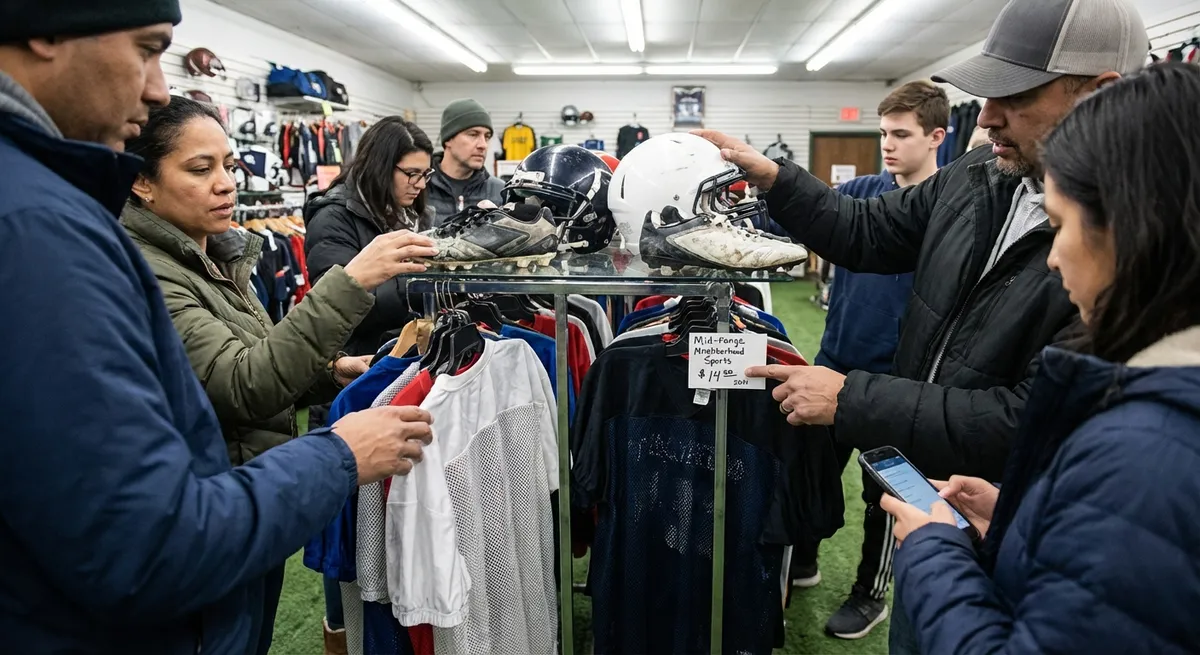
- Shop the used market through local sports consignment shops, online marketplaces, or community gear swaps.
Trying different models or types of equipment before you buy can reveal your preferences for weight, stiffness, grip, or cushioning—things you often can’t judge from product photos alone.
Practical Tip #3: Start with secondhand or rental gear for new sports.
Commit to a “trial phase” of 1–3 months using borrowed, rented, or used gear. If you’re still playing regularly after that window, you’ll have enough experience to make a smarter, more confident purchase—often with a clearer idea of which features matter to you.
Focus on Key Features, Not Marketing Buzzwords
Sports gear descriptions are full of impressive-sounding terms: “aerodynamic profiling,” “pro-level cushioning,” “hyper-reactive foam,” “elite control surface,” and more. These can make mid-range products sound like must-have upgrades, even when the difference to an everyday athlete is minimal.
Instead of getting swept up in branding language, zero in on a few core, sport-specific features that truly affect your comfort and performance:
- Running shoes: Look at cushioning level, stability vs. neutral support, heel-to-toe drop, and intended surface (road, trail, track).
- Rackets (tennis, pickleball, badminton): Focus on weight, balance (head-heavy vs. head-light), and grip size.
- Cycling gear: Check bike fit (frame size, geometry), brake type, gear range, and tire width based on where you’ll actually ride.
- Team-sport equipment: Prioritize durability, protection, and proper sizing over “pro” endorsements or signature models.
Then, compare a few products that meet your feature needs across different price points. Often, the mid-range version from a reputable brand will give you most of the functional benefits of the premium line at a much lower cost.
Practical Tip #4: Build a short checklist of 3–5 must-have features.
Before shopping, write down your nonnegotiables (e.g., “neutral running shoe, medium cushioning, road use, wide toe box” or “mid-weight tennis racket with medium balance and 4 3/8 grip”). Use that to filter products and ignore everything that doesn’t meet those basic needs, no matter how aggressively it’s marketed.
Plan for Long-Term Costs: Maintenance, Replacements, and Upgrades
Sports equipment isn’t a one-time expense. Many items wear out, need maintenance, or require consumables. Factoring these costs into your decisions can help you avoid surprise expenses later.
Consider:
- Durability: Cheaper gear might wear out faster, especially under regular use. For example, low-cost running shoes may lose cushioning quickly, and budget tennis strings may break more often.
- Maintenance: Bikes need regular tune-ups and part replacements; skis require waxing; some fitness machines need servicing over time.
- Consumables: Balls, strings, grips, chalk, swim caps, and other small items need periodic replacement.
- Growth and progression: Kids outgrow cleats and helmets. As your skill level increases, you may want more advanced gear.
When comparing two price points, think in terms of cost per use rather than just sticker price. A slightly more expensive item that’s more durable, easier to maintain, or more comfortable might end up cheaper over a season—or simply give you a better experience every time you play.
Practical Tip #5: Set a season budget, not just a purchase budget.
Estimate your total sports spending for 3–6 months: main gear, maintenance (if needed), and small consumables. Then decide where to spend more (usually items affecting safety, fit, or heavy use) and where to save (non-essential extras, color or style upgrades, high-priced pro replicas).
Conclusion
Buying sports gear doesn’t have to mean chasing the latest pro-model release or filling your closet with underused equipment. When you:
- Match gear to your real use and skill level
- Invest in fit and safety first
- Test or borrow before making big purchases
- Focus on functional features over flashy marketing
- Plan for the full season’s costs, not just the first checkout
…you end up with a setup that supports your health, your goals, and your wallet.
Smart sports purchases aren’t about spending the least or the most—they’re about making every dollar you invest bring you closer to actually playing, moving, and enjoying the game.
Sources
- American College of Sports Medicine – Selecting and Effectively Using Athletic Shoes - Guidance on how shoe choice affects comfort and injury risk
- Mayo Clinic – Sports Injury Prevention - Overview of how proper gear and preparation can reduce injuries
- Consumer Product Safety Commission – Sports and Recreation Safety - Information on safety standards and equipment considerations for various sports
- REI Co-op Expert Advice – How to Choose a Bike Helmet - Practical breakdown of helmet fit, certifications, and key features
- U.S. Ski & Snowboard – Equipment and Helmet Safety - Example of sport-specific safety recommendations and why certified gear matters
Key Takeaway
The most important thing to remember from this article is that following these steps can lead to great results.